
Kandahar — city and historic centre in southern Afghanistan
Kandahar is a major city in southern Afghanistan, capital of Kandahar Province. Founded in antiquity, it is a cultural, economic and strategic center known for bazaars, agriculture and a long, multi-period history.
Overview
Kandahar is one of Afghanistan's principal cities and the administrative centre of Kandahar Province. Located in the south‑central part of the country, it has long been a regional hub for commerce, culture and governance. Estimates in the mid‑2010s put the city's population at roughly half a million people, though numbers have varied with migration, conflict and reconstruction efforts.
Image gallery
10 Images


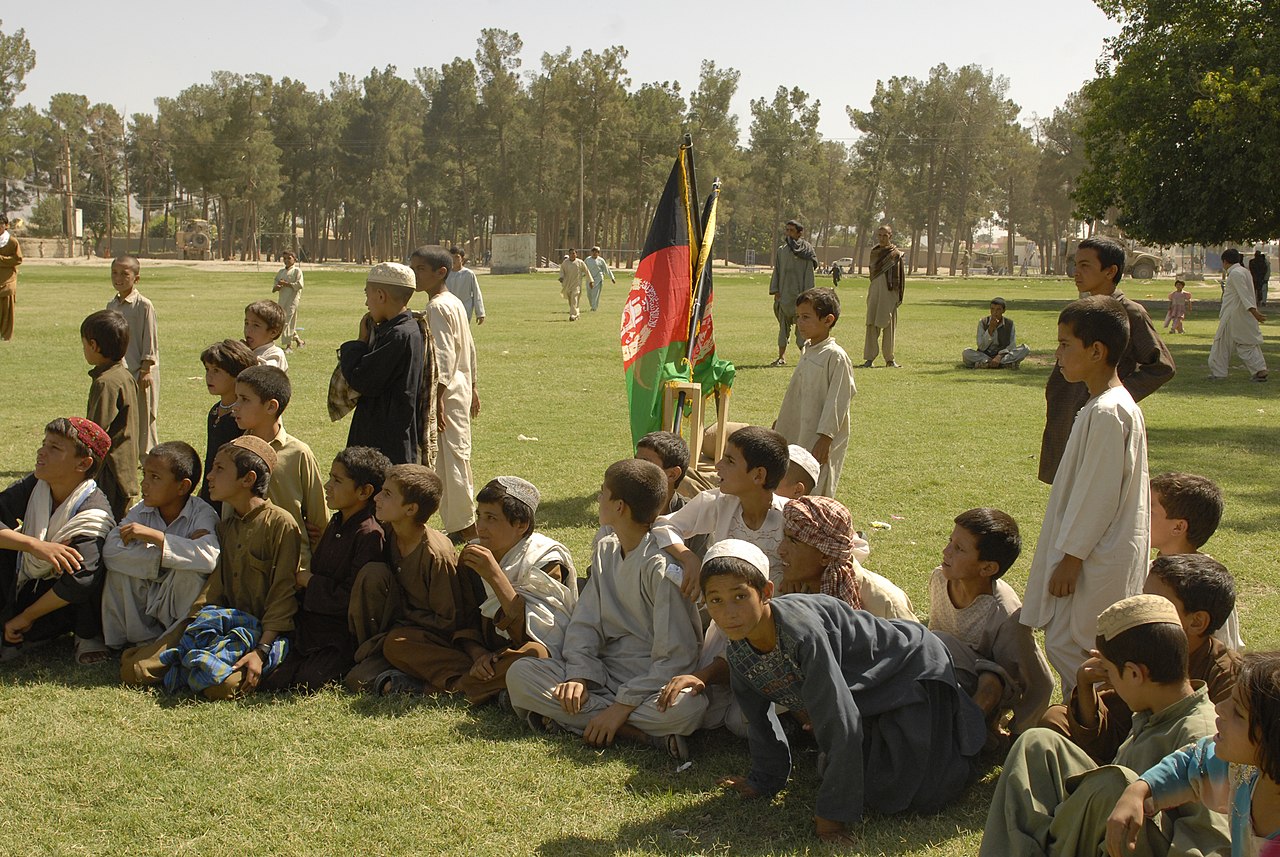


History and origin
The site of Kandahar has been occupied since antiquity. It is widely held that Alexander the Great established a city here in the 4th century BCE, naming it Alexandria Arachosia, and thereby linking the settlement to Hellenistic networks. Over centuries Kandahar lay on trade routes between Central and South Asia and changed hands among local dynasties and empires. In the 18th century the city gained renewed political importance as a seat of regional rulers and later figures prominently in modern Afghan history.
Geography and climate
Kandahar sits on a broad plain in southern Afghanistan. The surrounding area includes irrigated fields and orchards that support local markets. The climate is arid to semi‑arid, with hot summers and mild to cool winters; seasonal irrigation and water management have traditionally shaped agricultural life and settlement patterns.
Economy and markets
The city's economy combines trade, agriculture and artisanal crafts. Kandahar's bazaars have long handled goods moving between hinterland farms and wider regional markets. Typical agricultural and manufactured products associated with the area include:
- sheep and wool
- cotton and silk textiles
- felt and leather crafts
- food grains, fresh and dried fruit
- tobacco and other local crops
Culture, landmarks and modern role
The city is an important centre of Pashtun culture and language, with traditional music, poetry and handicrafts found in its markets and neighborhoods. Notable historic sites include older citadel remains and mausoleums that reflect Kandahar's layered past. In recent decades Kandahar has also been a focal point in Afghanistan's contemporary political and military history, which has affected its infrastructure and development. The city is served by an international airport and road links that connect it to other regional centres.
Notable distinctions
Kandahar's long continuity as a settlement, its founding association with the Hellenistic era, and its role as a commercial and cultural node make it one of Afghanistan's most significant cities. While its fortunes have risen and fallen over many centuries, it remains central to discussions of the country's history, economy and regional identity.
Related articles
Author
AlegsaOnline.com Kandahar — city and historic centre in southern Afghanistan Leandro Alegsa
URL: https://en.alegsaonline.com/art/52079