
Ulaanbaatar
Ulaanbaatar, Mongolia’s capital and largest city, began as a 17th‑century movable monastery. Located in the Tuul River valley, it is the country’s political, cultural and economic center and main transport hub.
Overview
Ulaanbaatar is the capital and largest city of Mongolia. Its name means "Red Hero" in Mongolian. The city is an independent municipality that concentrates a large share of the nation’s population, government institutions and services. As the dominant urban center it functions as the principal hub for culture, industry and finance in the country and is commonly described as the nation’s primate city because of its size and central role in political and economic life.
Image gallery
10 Images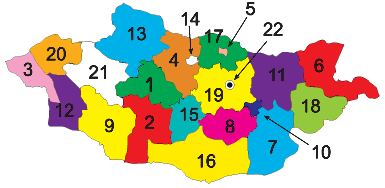






Geography and climate
The city lies in a broad valley on the Tuul River at a high elevation. Low mountains and steppe surround the valley. Ulaanbaatar has a strongly continental climate with long, very cold winters and short, warm summers. Seasonal temperature extremes and wintertime temperature inversions affect heating needs, transportation and air quality. The siting in a valley amplifies occasional air pollution episodes during winter months when coal and other solid fuels are widely used for heating.
History and development
Ulaanbaatar began in the early 17th century as a movable monastery and assembly point for Buddhist clergy; the settlement was known by names such as Ikh Khuree and Urga in earlier eras. Over centuries it moved several times with the ruling and religious authorities before becoming permanently settled and established as the national capital. In the 20th century the city grew rapidly during the period of state-led modernization and industrialization, and after the democratic changes of the early 1990s it transitioned toward a market-oriented economy while retaining important religious and cultural landmarks.
Demographics and society
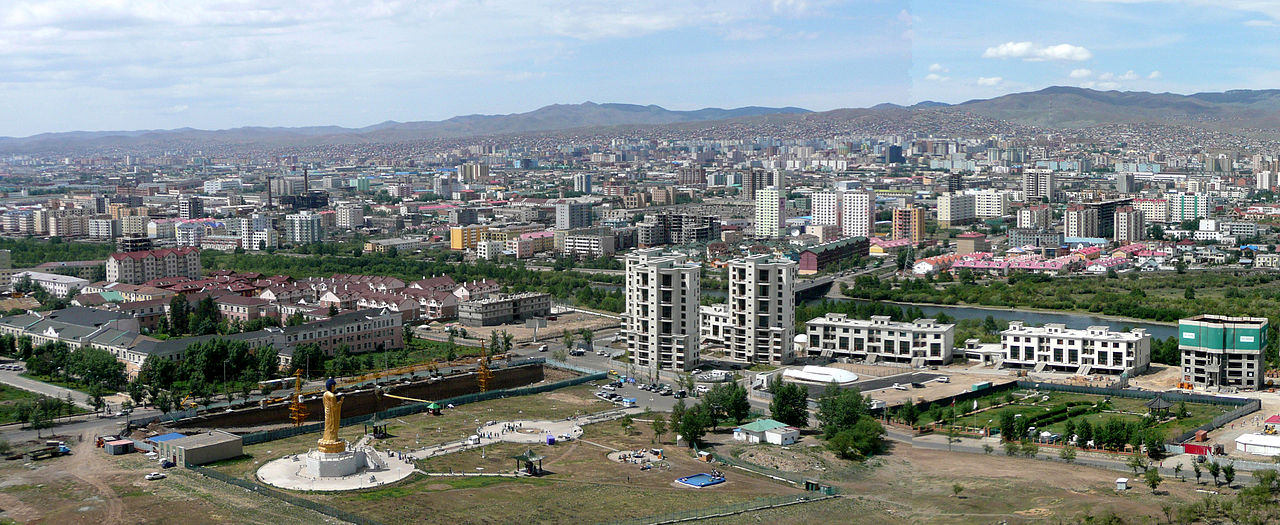
The city houses a large proportion of the country’s residents and draws migrants from rural areas seeking education, employment and services. Its population comprises ethnic Mongols along with small communities of other groups. Urban life in Ulaanbaatar juxtaposes modern apartment districts and commercial zones with traditional ger (yurt) districts on the expanding urban periphery, where many newcomers live in informal or semi-permanent housing.
Administration and governance
Ulaanbaatar is an independent municipality and the seat of national government institutions. City administration is responsible for municipal services, planning and coordination with national ministries. Administrative districts within the city manage local schools, health services and utilities, and municipal planning addresses growth, infrastructure and environmental challenges.
Economy and infrastructure
The urban economy centers on government services, commerce, finance and a mix of manufacturing and service industries that support mining and resource development across the country. Retail, construction and transport services are important employers. Ulaanbaatar is connected by national highways to towns across the country and by rail to wider networks, with links that connect Mongolia to neighbors including the Chinese railroad network and the Trans‑Siberian corridor. The international airport near the city serves as the main air gateway for passengers and freight.
Transport and urban form
Public transport, private vehicles and minibuses serve the urban area; long‑distance bus and rail services link the city to other Mongolian centres. The urban landscape includes Soviet-era apartment blocks, newer residential developments and informal ger suburbs. Infrastructure and planning continue to adapt to rapid population growth and changing economic patterns.
Environment and public health
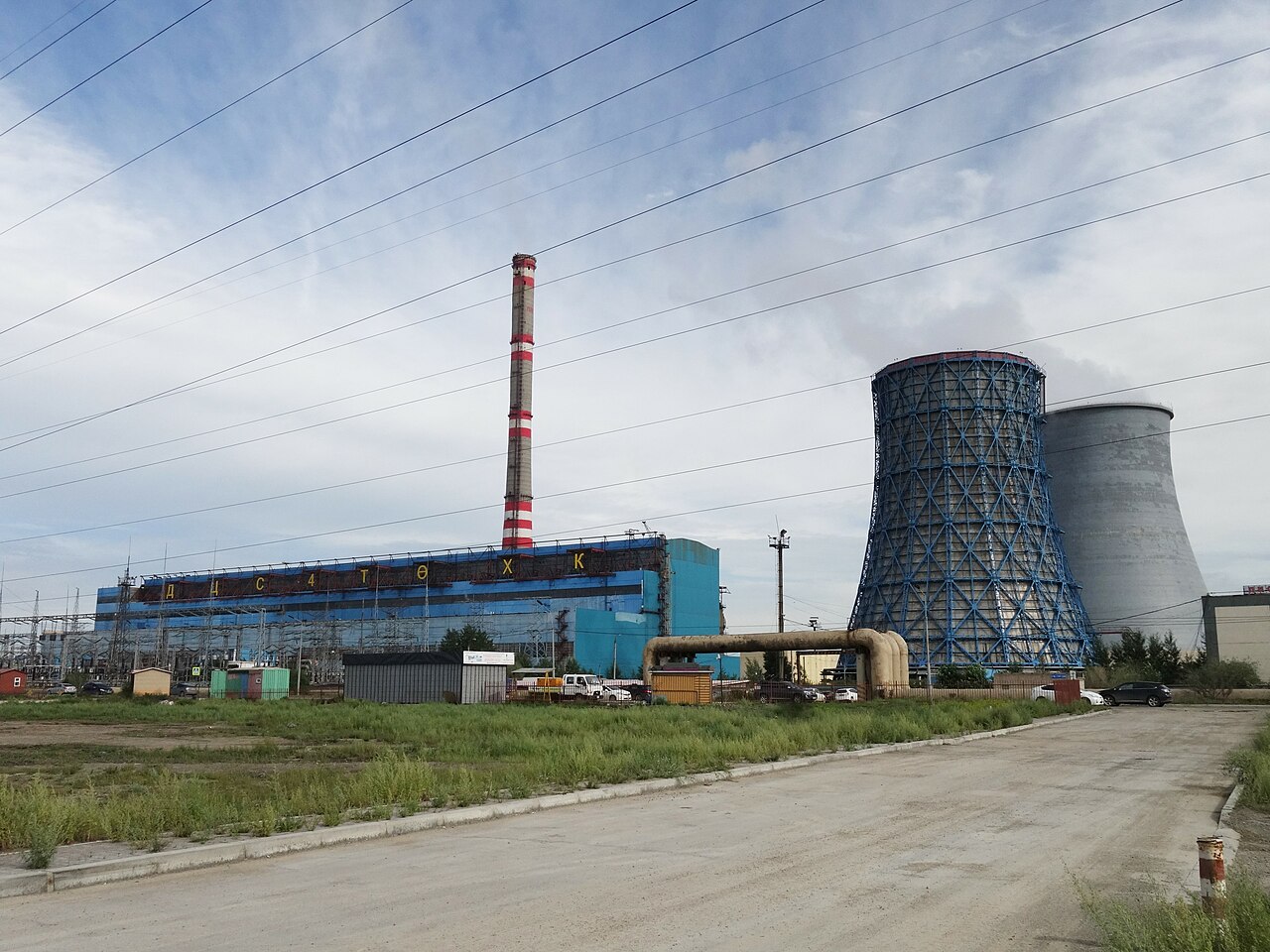
Air quality is a recurring concern, particularly in winter when coal and biomass are widely burned for heating and when atmospheric conditions trap pollutants in the valley. Municipal and national programs have targeted cleaner fuels, improved insulation and electric heating to reduce pollution and its health impacts. Water supply, waste management and land use are ongoing planning priorities as the city expands.
Culture, education and landmarks
Ulaanbaatar is the cultural heart of the country, home to national museums, theatres and major universities. Religious sites such as Gandan Monastery and public spaces like Sukhbaatar Square are focal points for civic life. The nearby Bogd Khan Mountain and river corridors offer recreational and natural areas close to the urban core. Numerous festivals, museums and cultural institutions preserve and present Mongolia’s nomadic heritage alongside contemporary arts and music.
Tourism and visitor information
Visitors to the city can explore museums, historical monasteries and monuments, attend cultural performances, and use Ulaanbaatar as a base for excursions into surrounding steppe and mountain landscapes. Practical guides and municipal resources provide information on transport connections, accommodations and cultural programming for both domestic and international visitors.
Quick reference
- Country: Mongolia
- Main roles: culture, industry, finance
- Transport links: national highways, rail links to Trans‑Siberian routes and the Chinese railroad network
- Administrative status: independent municipality and national capital; the country’s primate city
- National context: the city is the principal urban centre of the country
Questions and answers
Q: What is the name of Mongolia's capital city?
A: The capital and largest city of Mongolia is Ulaanbaatar.
Q: How many people live in Ulaanbaatar?
A: As of 2008, the population of Ulaanbaatar was just over 1 million.
Q: Where is Ulaanbaatar located?
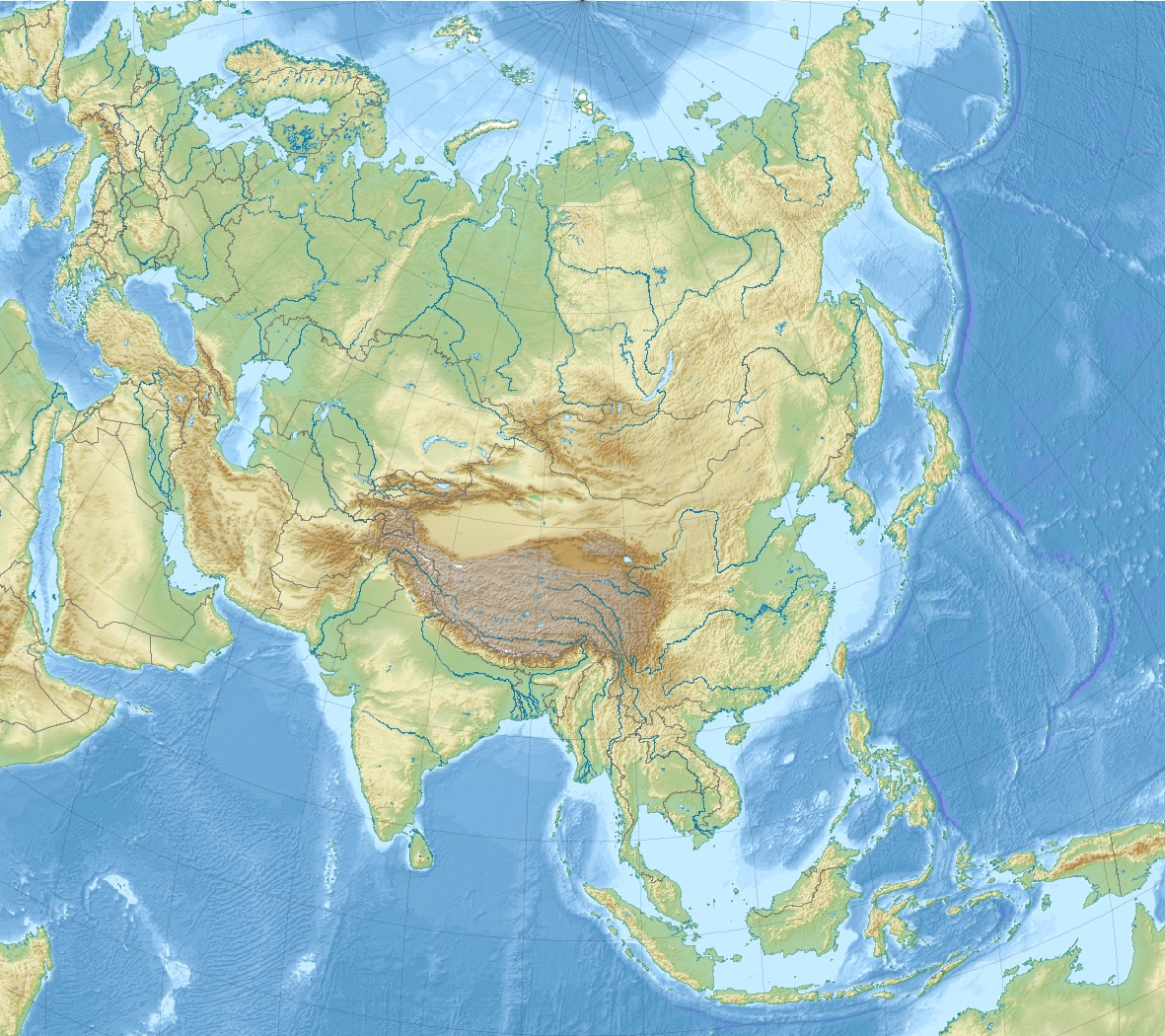
A: Ulaanbaatar is located in the north central part of Mongolia, at an elevation of about 1310 m in a valley on the Tuul River.
Q: Is Ulaanbaatar part of any provinces?
A: No, Ulaanbaatar is an independent municipality not part of any provinces.
Q: What makes it the primate city in Mongolia?
A: Since it is more than 13 times bigger than the second largest city in Mongolia (Erdenet), it makes it the country's primate city.
Q: How can one get to and from Ulaanbaatar?
A: One can get to and from Ulaanbaatar by highway or rail; there are highways connecting all major towns in Mongolia, as well as access to Trans-Siberian Railway and Chinese railroad network via rail.
Q: When was Ulan Bator founded?
A:Ulan Bator was founded in 1639 as a Buddhist monastery center.
Related articles
Author
AlegsaOnline.com Ulaanbaatar Leandro Alegsa
URL: https://en.alegsaonline.com/art/102655
Sources
- commons.wikimedia.org : Ulaanbaatar
- wikidata.org : wikidata.org/wiki/Q23430
- d-nb.info : 4061507-8
- id.loc.gov : n82211486
- musicbrainz.org : 0c220b8d-4eda-43be-96e9-5d1a180cadc5
- catalog.archives.gov : 10044603
- aleph.nkp.cz : ge391521
- viaf.org : 157329306
- worldcat.org : viaf-157329306