
Sindh Province (Pakistan)
Sindh is a southeastern province of Pakistan, centered on the lower Indus valley. Its capital is Karachi; the region is noted for ancient Indus sites, river irrigation, diverse culture and major port activity.
Sindh is a province in southern Pakistan, historically centered on the lower Indus River valley. The local name appears in the Sindhi script as سنڌ and in Urdu as صوبہ سندھ. The provincial capital and largest city is Karachi, Pakistan's main port and an industrial, financial and cultural hub.
Image gallery
10 Images




Geography and climate
Sindh occupies the lower reaches of the Indus and extends to the Arabian Sea. The province's area is commonly given as about 54,407 mi² (roughly 140,914 km²), a size often compared with countries such as Greece and Tajikistan. To the east it borders the Indian state of Gujarat; parts of the maritime boundary, notably the Kori Creek area, have been the subject of a long-standing dispute. The landscape ranges from alluvial river plains and irrigated agriculture to arid zones and a coastal strip. Climate varies from hot, dry summers to mild winters, with monsoon-related rainfall and occasional coastal storms.
People, languages and culture
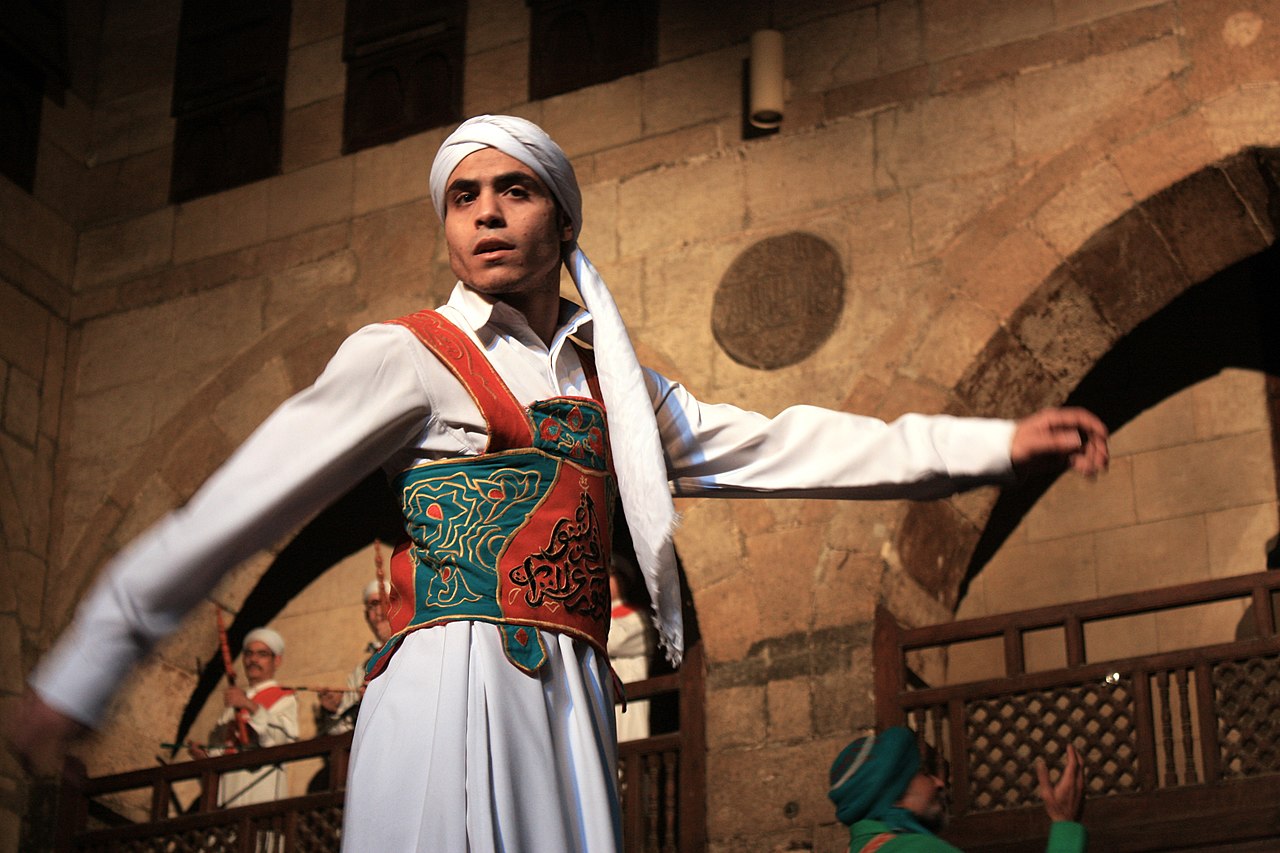
Population estimates commonly place Sindh at around thirty million people, concentrated in urban centers and irrigated agricultural districts. Sindhi and Urdu are widely spoken alongside other regional languages. Sindh has a rich cultural heritage: Sufi traditions, classical poetry, folk music and handicrafts are prominent, and local festivals and religious commemorations remain important to social life.
History and heritage
The region is one of the cradles of early urban civilization. Archaeological sites such as Mohenjo-daro testify to urban life in the ancient Indus Valley civilization. Over the centuries Sindh experienced Persian, Arab, Central Asian and South Asian influences and later became part of British India. Since 1947 it has been a key province of Pakistan, retaining distinctive historical and cultural identities.
Economy and infrastructure
Sindh's economy combines agriculture—dependent on the Indus irrigation system—with industry and services centered on Karachi. The port of Karachi handles a large share of the country's maritime trade. Major agricultural products include cotton and rice produced in irrigated plains, while coastal fisheries, salt production and small-scale manufacturing support regional livelihoods. Transportation networks include major highways, rail links and an international airport in Karachi.
Administration and notable places
The province is divided into administrative divisions and districts that manage local governance and services. Major urban and regional centers include:
- Karachi — the provincial capital and largest metropolis
- Hyderabad — an historic urban and commercial centre
- Sukkur — a key river-crossing and irrigation hub
- Thatta and Larkana — noted for local history and archaeological connections
Sindh faces contemporary challenges such as water management, urbanization pressures and environmental concerns, alongside opportunities tied to trade, agriculture and cultural tourism. Its combination of ancient heritage, diverse communities and economic importance makes Sindh a central region in Pakistan's geography and history.
Questions and answers
Q: What is the name of the province in Pakistan?
A: The province in Pakistan is called Sindh.
Q: What language is spoken in Sindh?
A: The main language spoken in Sindh is Sindhi, with Urdu also being widely used.
Q: How many people live in Sindh?
A: Approximately 30 million people live in Sindh.
Q: How big is the area of Sindh compared to other countries?
A: The area of Sindh is 54,407 mi² or (140,914 km²), which makes it larger than Greece but smaller than Tajikistan.
Q: Does Sindh have a boundary with any other country or state?
A: Yes, there is a southern boundary between Sindh and the Indian state of Gujarat.
Q: Is there an ongoing dispute regarding this boundary?
A: Yes, there is an ongoing dispute regarding this boundary; see Kori Creek for more information.
Q: What are some resources available to learn more about this dispute? A: Resources available to learn more about this dispute include Kori Creek and other sources that provide further information on the subject.
Related articles
Author
AlegsaOnline.com Sindh Province (Pakistan) Leandro Alegsa
URL: https://en.alegsaonline.com/art/90603
Sources
- world-gazetteer.com : "Sind - type and level of administrative division"
- statpak.gov.pk : "Percentage Distribution of Households by Language Usually Spoken and Region/Province, 1998 Census"
- britannica.com : Sindh (province, Pakistan)
- sindhtoday.net : About Sindh
- pas.gov.pk : "Provincial Assembly Seats"
- lgdsindh.com.pk : "Government of Sindh"
- census.gov.pk : 1998 Census Data