
Luxor, Egypt — City of Ancient Thebes and Major Archaeological Sites
Luxor is a city on the Nile in Upper Egypt, built on the site of ancient Thebes and renowned for its concentration of temples, tombs and archaeological monuments that draw worldwide tourism and research.
Overview
Luxor (Arabic: الأقصر) is a city on the east bank of the Nile, in Upper Egypt. The modern municipality grew up amid the remains of the ancient capital commonly called Thebes, and it functions today as a regional center for tourism, archaeology and services. Population estimates vary with administrative boundaries; in the early 2010s the metropolitan area numbered several hundred thousand inhabitants, though figures fluctuate with census methods and seasonal flows of workers and visitors.
Image gallery
10 Images


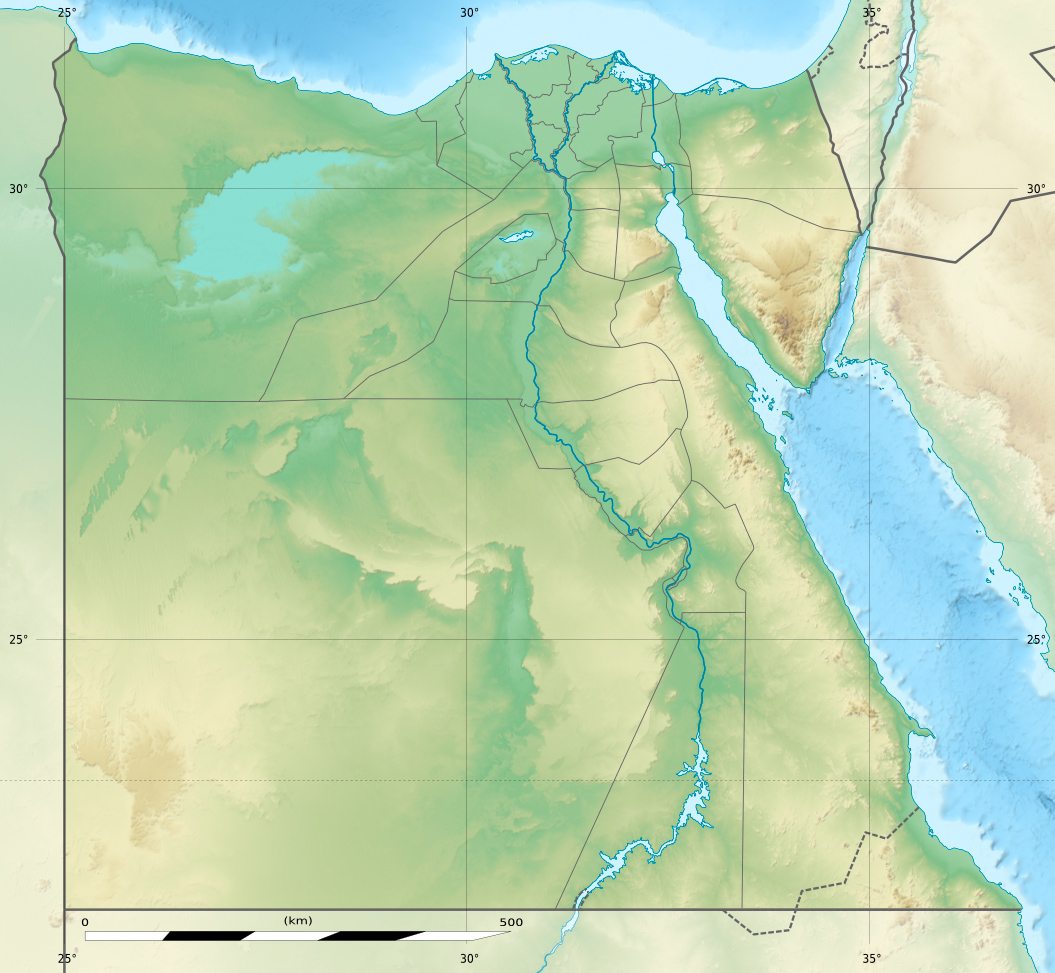


Main monuments and archaeological areas
Because the remains of the ancient Egyptian city of Thebes lie here, Luxor is often described as an "open‑air museum." Key sites clustered around the city include:
- Karnak Temple — one of the largest religious complexes in the world, with successive pylons, halls and sanctuaries built over many centuries.
- Luxor Temple and the Nile quay — monumental urban and ceremonial spaces on the river's east bank near the modern city; the river itself is central to travel and views in Luxor (the Nile).
- Valley of the Kings — the royal necropolis on the west bank that contains New Kingdom tombs, including the tomb of Tutankhamun (KV62) discovered in the 20th century.
- Valley of the Queens — burial sites for queens and royal family members with painted and decorated chambers.
History and cultural importance
Luxor occupies the site of Thebes, which during the New Kingdom (c. 16th–11th centuries BCE) served as a political, military and religious capital. Pharaohs here commissioned temples, obelisks and tombs on a monumental scale. Over millennia the area experienced reuse, adaptation and rediscovery: temples were repurposed, tombs were looted or sealed, and European and Egyptian excavations from the 19th century onward brought the site's significance to global attention.
Museums, archaeology and research
The city houses several museums and research facilities that display finds from the surrounding necropoleis and settlements. Ongoing archaeological work continues to reveal domestic buildings, worker villages and additional burial chambers. International teams and Egyptian authorities collaborate on excavation, publication and conservation, contributing to knowledge of funerary practice, temple ritual and daily life in ancient Egypt.
Tourism, economy and infrastructure
Tourism is central to Luxor's economy: river cruises on the Nile, guided site visits and museum tours form the backbone of visitor services. Hospitality, craft production and transportation adapt to seasonal demand. The city is served by an airport and by road and river connections that link it to other Egyptian destinations. Visitor numbers and local livelihoods can vary with regional stability and global travel trends.
Conservation, challenges and management
The wealth of monumental remains makes Luxor an international conservation priority: parts of the area are recognized by heritage bodies for their outstanding universal value. Conservators face threats such as weathering, groundwater rise, urban expansion, and the wear associated with large visitor numbers. Management aims to balance public access, local development and long‑term preservation through documentation, targeted restoration and community engagement.
Visiting advice
Visitors commonly allocate separate days to the east‑bank temples and the west‑bank tombs, arrive early to avoid heat, and consult current guidance on site openings, photography rules and restricted areas. Respect for fragile painted surfaces and for archaeological work helps protect the sites for future generations.
For further reading and travel information consult specialist guides and official resources managed by Egyptian antiquities authorities and reputable academic publications.
Related articles
Author
AlegsaOnline.com Luxor, Egypt — City of Ancient Thebes and Major Archaeological Sites Leandro Alegsa
URL: https://en.alegsaonline.com/art/60053
Sources
- world-gazetteer.com : "World Gazetteer - Egypt: largest cities and towns and statistics of their population"
- news.bbc.co.uk : "Luxor, Egypt"