
Surakarta (Solo): history, culture, and urban profile
Surakarta, commonly called Solo, is a historic city in Central Java, Indonesia, known for its royal court, Javanese arts, batik industry, and the Bengawan Solo river.

Overview
Surakarta, widely known by its nickname Solo, is a city on the island of Java in Indonesia. It lies in the province of Central Java and is an important centre for Javanese culture, commerce and education. The name Surakarta appears in the Javanese script and local language traditions; the city remains strongly associated with classical court culture and everyday Javanese life. A notable natural feature is the Solo River (Bengawan Solo), which runs along the eastern side of the city and figures in Indonesian popular culture.
Image gallery
10 Images



Characteristics and urban area
Surakarta is a compact municipality surrounded on several sides by regencies such as Karanganyar, Boyolali and Sukoharjo. Its administrative area is relatively small compared with its wider metropolitan region: the built-up area integrates the Surakarta municipality with dozens of neighbouring districts and regencies, creating a populous urban corridor. Traditional markets, small and medium enterprises, batik workshops and educational institutions form the backbone of the local economy.
History and cultural heritage
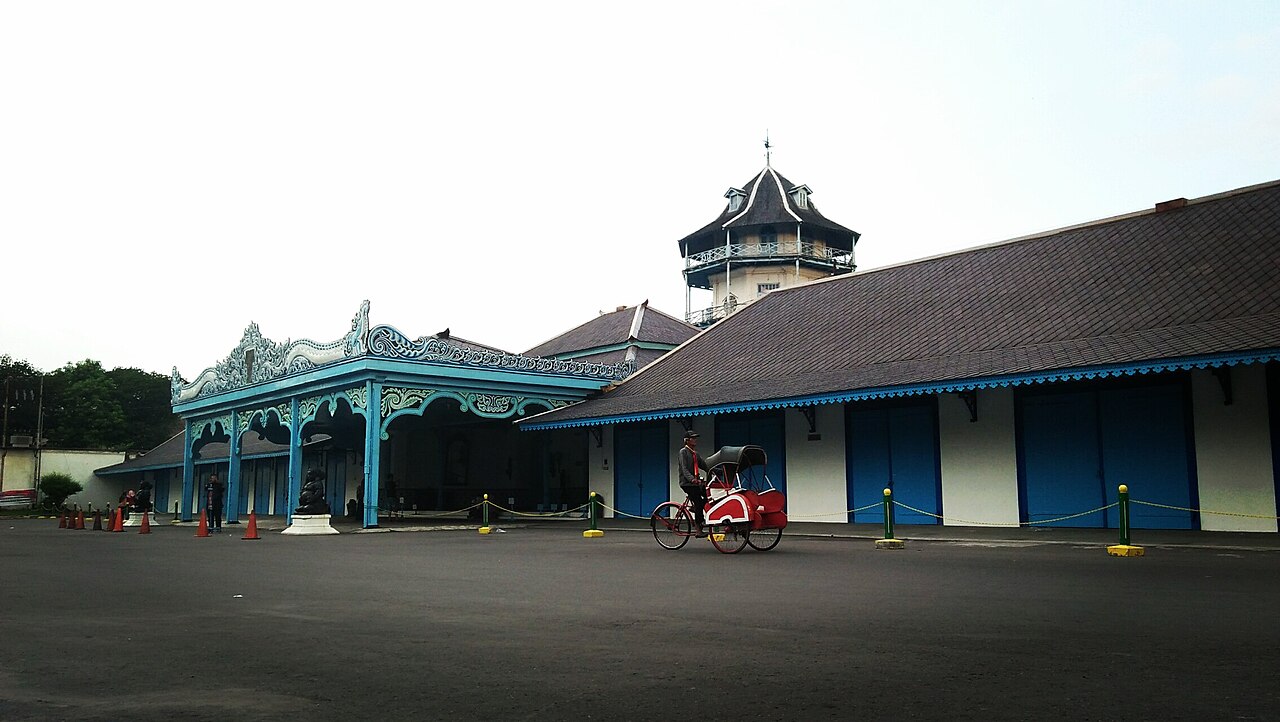
The modern city traces much of its identity to the legacy of the Mataram kingdom. In the mid-18th century the Mataram realm was divided, and Surakarta evolved as one of the two principal Javanese courts alongside Yogyakarta following the agreement of 1755. The Surakarta kraton (palace) remains a focal point for court ceremonies, classical dance, gamelan music and preservation of Javanese arts. These traditions continue to shape language, ritual and performance in the city.
Art, music and crafts
Surakarta is celebrated for its batik textile production, elaborate court dances, wayang (shadow puppetry) and gamelan orchestras. Many studios and museums preserve historical patterns and performance repertoires. The river that passes Solo inspired the popular song "Bengawan Solo," which has become an emblematic musical reference to the area and to Indonesian popular song traditions.
Transport, economy and significance
The city functions as a regional transport hub with rail and road connections to other major Javanese cities; an airport serving the Surakarta region links it to national destinations. Local industry ranges from textile and batik manufacturing to food processing, education services and tourism. Visitors are drawn by cultural attractions, markets such as the traditional cloth markets, and festivals that showcase Javanese court arts.
Distinctive facts and contemporary role
Although modest in municipal size, Surakarta plays an outsized role culturally: it is one of the principal heirs to central Javanese court traditions and remains a living centre for classical performance and craft. The city is commonly compared with Yogyakarta as a custodian of royal ritual and arts, and its metropolitan area has grown into a significant population cluster in southern Java. The Javanese language and courtly practices remain visible in daily life, contributing to Surakarta's distinctive identity within modern Indonesia.
For further context on language and local scripts see Javanese. General regional information is available via broader resources on Central Java and Indonesia.
Related articles
Author
AlegsaOnline.com Surakarta (Solo): history, culture, and urban profile Leandro Alegsa
URL: https://en.alegsaonline.com/art/95139