
Sylhet — major city in northeastern Bangladesh
Sylhet is a historic and economically important city in northeastern Bangladesh, known for its tea gardens, Sufi shrines, Surma valley setting and a large diaspora community.
Sylhet is a principal city in the north-eastern part of Bangladesh, serving as the administrative and economic centre of Sylhet Division and Sylhet District. The municipality gained metropolitan status in 2009. Located on the alluvial plains of the Surma Valley, the city lies near the foothills of the Jaintia, Khasi and Tripura ranges, which shape its landscape and climate. Population estimates place the city around half a million residents, making it one of the larger urban centres of the country.
Image gallery
10 Images



Geography and environment
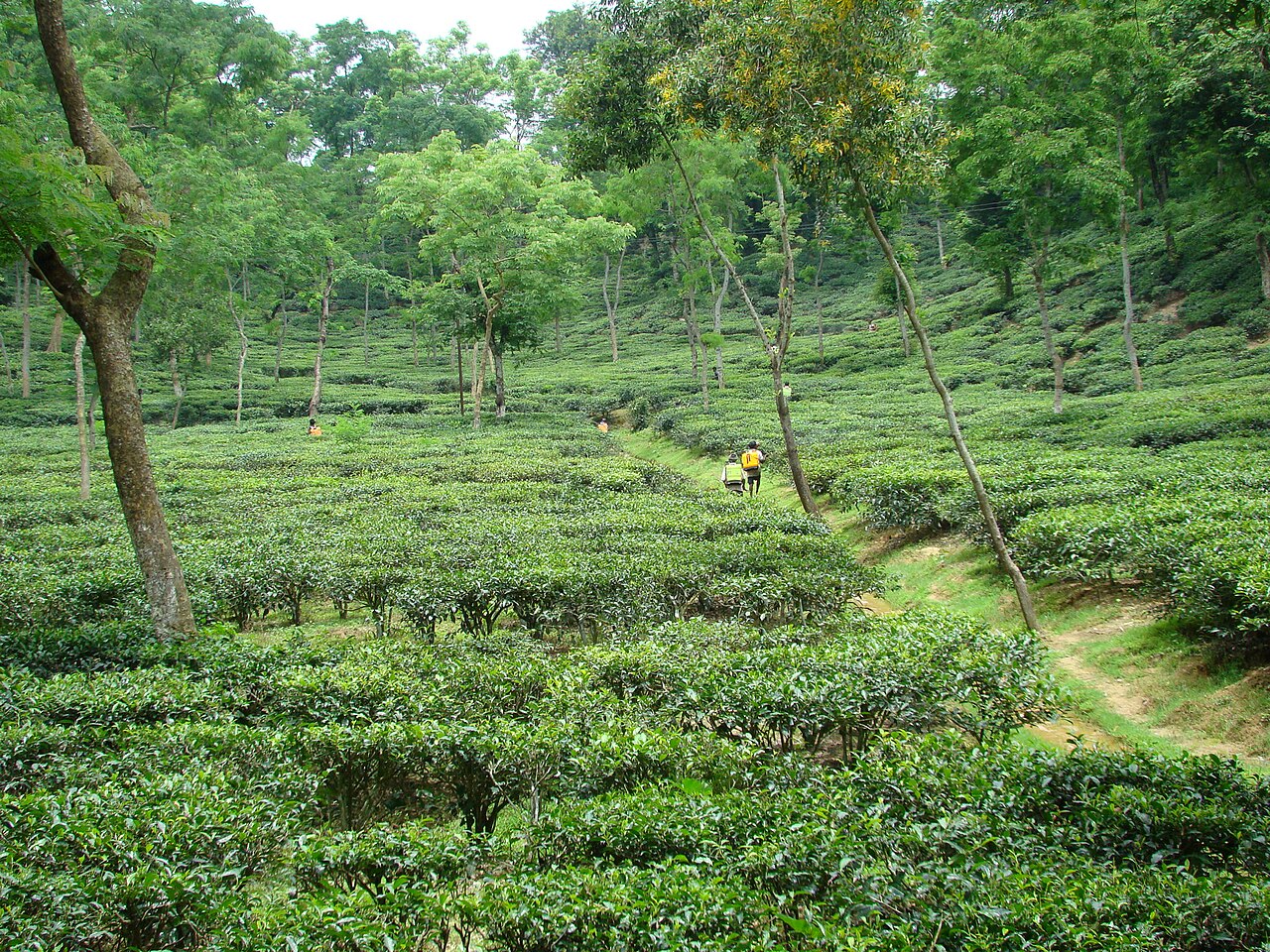
Sylhet occupies a low-lying valley carved by the Surma River and its tributaries. The surrounding region is noted for rolling tea estates, patches of tropical forest, and a network of wetlands and canals. These features give Sylhet a greener appearance than many other Bangladeshi cities and contribute to local agricultural and tourism activity. The nearby hills affect rainfall patterns and help sustain lush vegetation that supports tea cultivation and biodiversity.
History, culture and religion
The city has a long cultural history shaped by trade, migration and religious traditions. Sylhet is popularly known as the "City of Saints" because of the influence of Sufi figures who settled in the area during the medieval period. The mausoleum of the 14th‑century saint Hazrat Shah Jalal is a prominent pilgrimage site; many visitors also learn about the region's conversion to Islam through accounts of itinerant saints and traders, a topic often framed as the spread of Islam in Bengal. The local speech, often called Sylheti, is widely spoken alongside standard Bengali and reflects the area's distinct identity.
Economy and modern life
Sylhet's economy combines agriculture, services and trade. The surrounding tea gardens are a major employer and a symbol of the region's global economic links. Remittances from an active overseas diaspora—particularly in the United Kingdom—have also had a notable impact on the city's development, visible in construction, businesses and local investment. Urban services, education, health care and a growing hospitality sector cater to both residents and visitors.
Transport connections include road and rail links to other parts of Bangladesh and an international airport that supports business and travel. Visitors come for religious pilgrimage, eco-tourism (including nearby forests and waterfalls), and to explore colonial and local heritage sites.
Notable facts and distinctions
- Sylhet is widely associated with tea production and scenic estates that attract tourists.
- The shrine of Hazrat Shah Jalal is a focal point for regional religious life and festivals.
- The city's metropolitan status was officially recognized in March 2009, reflecting its urban growth.
- Sylhet has strong links with expatriate communities abroad, influencing its economy and culture.
- Surrounding hill ranges such as the Jaintia, Khasi and Tripura hills provide distinctive topography and biodiversity.
For further reading or administrative details, consult official division and district resources: Sylhet Division, Sylhet District, or general country information about Bangladesh. Cultural and religious histories are discussed in sources on Hazrat Shah Jalal and the broader topic of Islam in Bengal.
Questions and answers
Q: Where is Sylhet located?
A: Sylhet is a major city located in north-eastern Bangladesh.
Q: What is the status of Sylhet city?
A: Sylhet was given metropolitan city status in March 2009.
Q: What is the population of Sylhet?
A: Sylhet has almost 500,000 people and is one of the largest cities in Bangladesh.
Q: What is Sylhet known for?
A: Sylhet region is well known for its tea gardens and tropical forests. Sylhet is also one of the richest cities in Bangladesh.
Q: Why is Sylhet called a City of Saints?
A: Sylhet is called a City of Saints because it has the mausoleum of the great saint Hazrat Shah Jalal who brought Islam to Bengal during the 14th century.
Q: What hills surround Sylhet?
A: Sylhet is surrounded by the Jaintia, Khasi and Tripura hills.
Q: What is the main division and district of Sylhet?
A: The main division and district of Sylhet is the Sylhet Division and Sylhet District.
Related articles
Author
AlegsaOnline.com Sylhet — major city in northeastern Bangladesh Leandro Alegsa
URL: https://en.alegsaonline.com/art/95601
Sources
- news.bbc.co.uk : "Bangladesh clamps down on beggars" BBC News 2 April 2009
- bbs.gov.bd : Statistical Pocket Book of Bangladesh
- ecdo-bd.org : Current Situation - Past and Present - Sylhet, Bangladesh
- thedailystar.net : Bondor Bazar to Brick Lane
- banglapedia.search.com.bd : Shah Jalal (R)