
Saxony (Free State of Saxony) — German state in the southeast
Saxony is a federal state in southeastern Germany. Known for its cultural centres Dresden and Leipzig, industrial history, and border position next to the Czech Republic and Poland.
Overview

Image gallery
10 Images


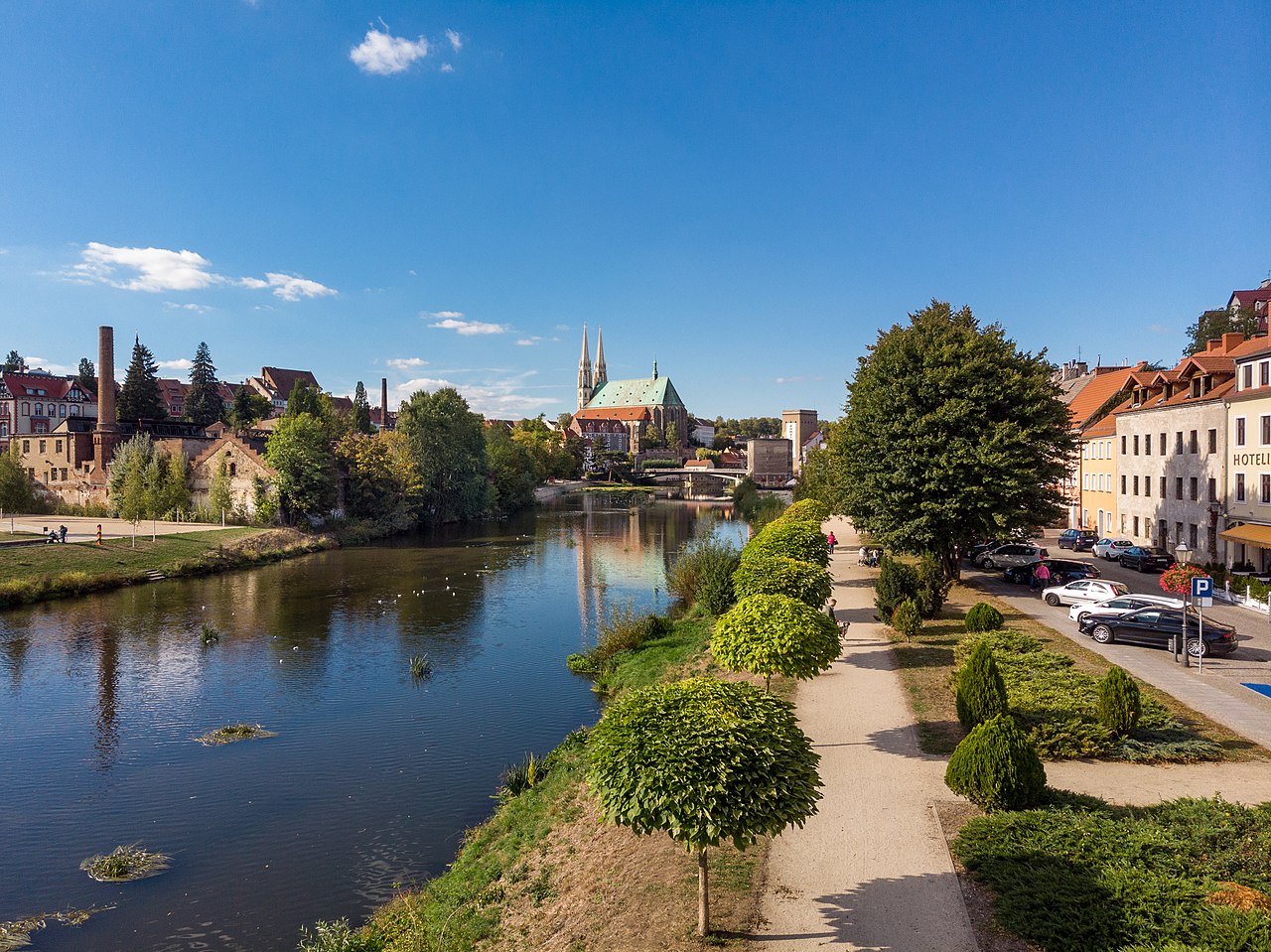


Geography and major places
Saxony lies in the southeast of the country. It shares international borders with the Czech Republic to the south and Poland to the east, and domestic borders with several other German states. The landscape ranges from lowlands around Leipzig to uplands and parts of the Ore Mountains toward the Czech border.
History and development
The region called Saxony has a complex history that stretches back to medieval duchies and later electorates and kingdoms. Over time it became an important center for trade, manufacturing and the arts. Saxony played a notable role in the Reformation and in the cultural flowering of central Europe; its cities accumulated wealthy collections of art, music and learning.
Economy and society
Today Saxony combines traditional industries and advanced technology. Manufacturing, engineering, research institutions and a growing service sector are important. The state hosts universities, museums and concert traditions that support education and tourism. Urban centers such as Leipzig and Dresden are hubs for culture, higher education and commerce.
Government, administration and culture
As a German state, Saxony has its own state parliament and government that handle regional matters within the federal system. It preserves regional dialects, folklore and festivals, and maintains museums and historic architecture. The cultural legacy includes music, fine arts and important archival collections.
Notable facts and distinctions
- Capital: Dresden; largest city: Leipzig.
- Bordering countries: Czech Republic, Poland.
- Language notes: German (Sachsen) and recognized minority languages such as Upper Sorbian (Sakska) in parts of the state.
- Saxony was reconstituted as a Free State in 1990 following German reunification and continues to play a significant regional role.
For readers seeking concise factual detail, official state information and cultural resources are available through government and regional cultural institutions; historical and economic overviews provide context for Saxony's role in modern Germany.
Questions and answers
Q: What is Saxony?
A: Saxony is a state of Germany located in the southeast of the country.
Q: What is the official name of Saxony?
A: The official name of Saxony is the Free State of Saxony.
Q: What is the largest city in Saxony?
A: The largest city in Saxony is Leipzig.
Q: What is the capital of Saxony?
A: The capital of Saxony is Dresden.
Q: When was Dresden founded?
A: Dresden was founded in 1990.
Q: What countries border Saxony?
A: The Czech Republic borders Saxony to the south, and Poland borders Saxony to the east.
Q: What is the name of Saxony in Upper Sorbian?
A: In Upper Sorbian, Saxony is called Sakska, and the Free State of Saxony is called Swobodny stat Sakska.
Related articles
Author
AlegsaOnline.com Saxony (Free State of Saxony) — German state in the southeast Leandro Alegsa
URL: https://en.alegsaonline.com/art/87699