
Fatimid Caliphate: Ismaili Shiʿa dynasty and Mediterranean empire (909–1171)
A concise encyclopedia overview of the Fatimid Caliphate: its origins, government, religion, culture, economic base, territorial reach, decline and legacy in the medieval Mediterranean.
Overview
The Fatimid Caliphate was a medieval Islamic dynasty and state ruled by the al-Fātimiyyūn (al-Fātimiyyūn) from 909 until 1171. It presented an alternative caliphate to the contemporaneous Abbasids and established a powerful, long-lived polity centered on the eastern Mediterranean and North Africa. At its height the Fatimid realm included large parts of the Maghreb, much of Egypt and portions of the Levant, and at various times projected influence into the central Mediterranean. The dynasty derived its legitimacy from the Ismaili branch of Shiʿism and traced its spiritual authority to the line of Imams descended, according to Fatimid claims, from the Prophet Muhammad's family.
Image gallery
10 Images


Government, religion and society
The Fatimids combined religious leadership with temporal rule: their rulers were regarded by supporters as Ismaili Imams and by the state as caliphs. This dual role linked the institution of the caliph with the Shiʿa Imamate in ways that were distinctive for the period. The dynasty's ruling elite followed the Ismaili interpretation of Shiʿism, which shaped court ritual, legal patronage and missionary activity. At the same time the regime administered a multi-confessional population: Sunni Muslims, other Shiʿa groups, Coptic Christians, Jews and communities such as Maltese Christians usually lived under Fatimid rule and were integrated into fiscal, military and urban life, although experience varied by time and place.
Administration, economy and culture
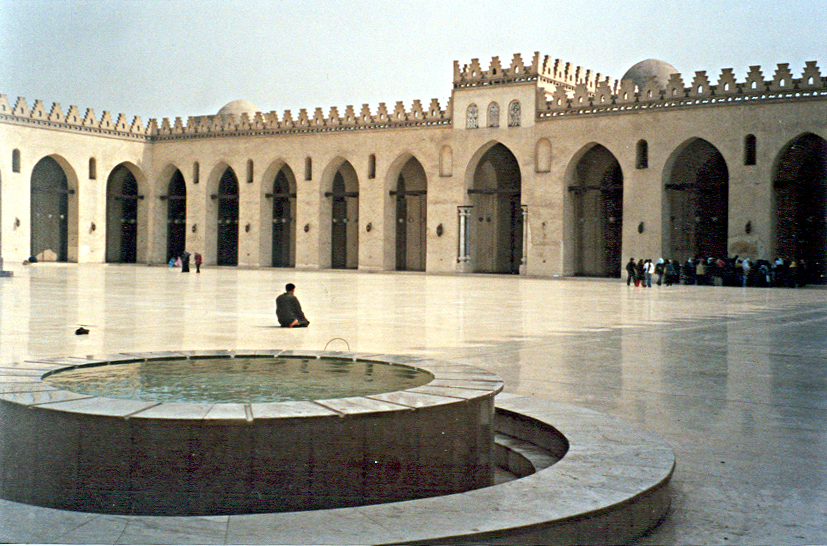
Administratively the Fatimids relied on a bureaucracy of viziers, secretaries and provincial governors who managed tax collection, land tenure and trade regulation. Their economy benefited from fertile Nile agriculture after the conquest of Egypt, long-distance trade across the Mediterranean and Red Sea, and control of important caravan routes. The dynasty invested heavily in urban foundations and monumental architecture; most famously it founded a new capital near Fustat that came to be known as Cairo, which developed into a major political and cultural center. The Fatimids were patrons of learning and the arts: they established institutions of scholarship, libraries and madrasas, supported manuscript production and fostered distinct styles of architecture and decorative art.
Origins and historical development
The movement that produced the Fatimid state began with Ismaili missionary activity across North Africa. In 909 a claimant from the missionary network established an independent caliphal dynasty in the Maghreb and later moved the center of gravity to Egypt after successful conquest. The Fatimids maintained naval strength and diplomatic ties that enabled them to contest influence with other powers of the age. Their claim to descent from Fatima and connection to the figure of Ali were central to their ideology and to the loyalties of adherents.
Decline and end
The Fatimid polity endured internal political struggles, periodic economic stress and intense rivalry with the Abbasid caliphate and rising regional powers. Beginning in the late 11th and 12th centuries military and administrative weaknesses, factionalism and changing regional dynamics gradually eroded central authority. In 1171 the Fatimid dynasty was overthrown and its institutions were absorbed into the polity that reasserted allegiance to the Sunni Abbasids, bringing the Fatimid caliphate to an end.
Legacy and notable features
The Fatimids left a lasting imprint on the medieval Mediterranean through urban development, religious institutions and artistic patronage. Notable aspects include:
- Founding and expansion of Cairo as a political, commercial and intellectual hub.
- Patronage of learning and the arts, including libraries, religious schools and manuscript culture.
- Religious policies that combined Ismaili missionary outreach with pragmatic tolerance toward diverse communities, though policies varied over time and place.
- Architectural and decorative innovations visible in mosques, palaces and coins of the period.
For further reading on the dynasty, its doctrine and institutions, see specialized histories and sources that explore Fatimid administration, Ismaili doctrine and the wider medieval Mediterranean context in which this distinctive dynasty ruled.
al-Fātimiyyūn • caliphate • Maghreb • Egypt • Cairo • Ismaili • Caliph • Imamate • Ali • Maltese Christians
Questions and answers
Q: Who ruled the Fatimid Caliphate and when did their rule last?
A: The Fatimid Caliphate was ruled by the al-Fātimiyyūn dynasty from 5 January 909 to 1171.
Q: What type of dynasty was the Fatimid Caliphate and what religion did they follow?
A: The Fatimid Caliphate was an Arab Shi'a dynasty and the ruling elite belonged to the Ismaili branch of Shi'ism.
Q: Which areas were included in the Fatimid Caliphate during its rule?
A: Different areas of the Maghreb, Egypt, and the Levant belonged to the Fatimid Caliphate.
Q: Where was the capital of the Fatimid Caliphate located?
A: The Egyptian city of Cairo was made the capital of the Fatimid Caliphate.
Q: What is the significance of the Fatimite term?
A: The term Fatimite is sometimes used to refer to the citizens of the Fatimid Caliphate.
Q: What is the religious significance of the leaders of the Fatimid Caliphate?
A: The leaders of the Fatimid Caliphate were Shia Ismaili Imams and had religious significance to Ismaili Muslims.
Q: Were the Fatimids tolerant towards non-Ismaili sects of Islam and other religions?
A: The Fatimids were famous for their religious tolerance towards non-Ismaili sects of Islam as well as towards Jews, Maltese Christians, and Coptic Christians, but there were some exceptions nevertheless.
Related articles
Author
AlegsaOnline.com Fatimid Caliphate: Ismaili Shiʿa dynasty and Mediterranean empire (909–1171) Leandro Alegsa
URL: https://en.alegsaonline.com/art/33652