
Humayun's Tomb — Mughal mausoleum in Delhi
Humayun's Tomb is a 16th-century Mughal mausoleum in Delhi, India, noted for its Persian-influenced architecture, garden layout, and status as a UNESCO World Heritage Site.

Overview
Humayun's Tomb is the tomb of the Mughal Emperor Humayun located in Delhi, India. Known in Hindustani as the Maqbara-i Humayun, it was commissioned in the late 16th century by Empress Bega Begum, Humayun's widow. The complex combines Persian and Indian building traditions and is one of the earliest examples of a full-scale Mughal garden-tomb in the subcontinent. It attracts scholars, tourists, and conservationists and is recognized for its influence on later monuments.
Image gallery
10 Images





Design and architectural features
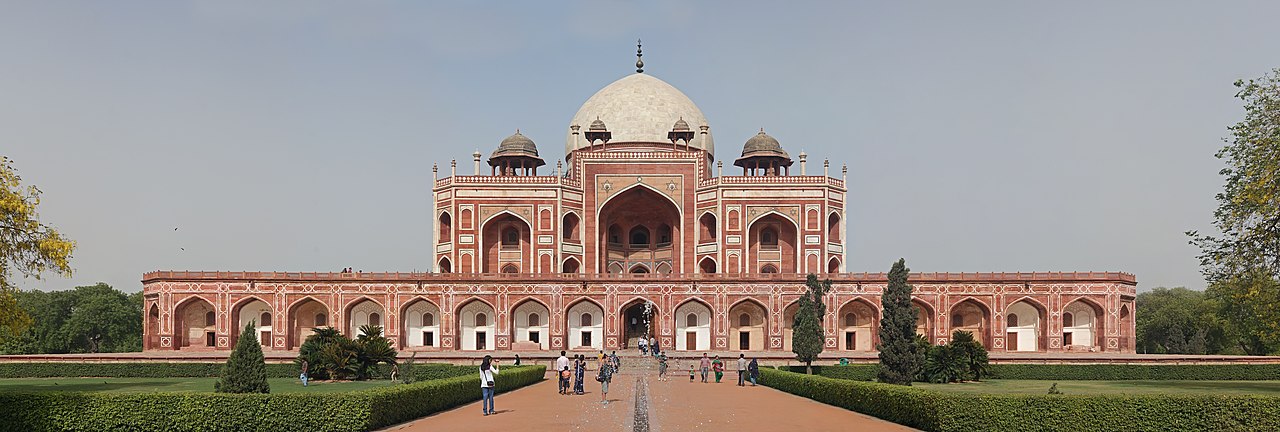
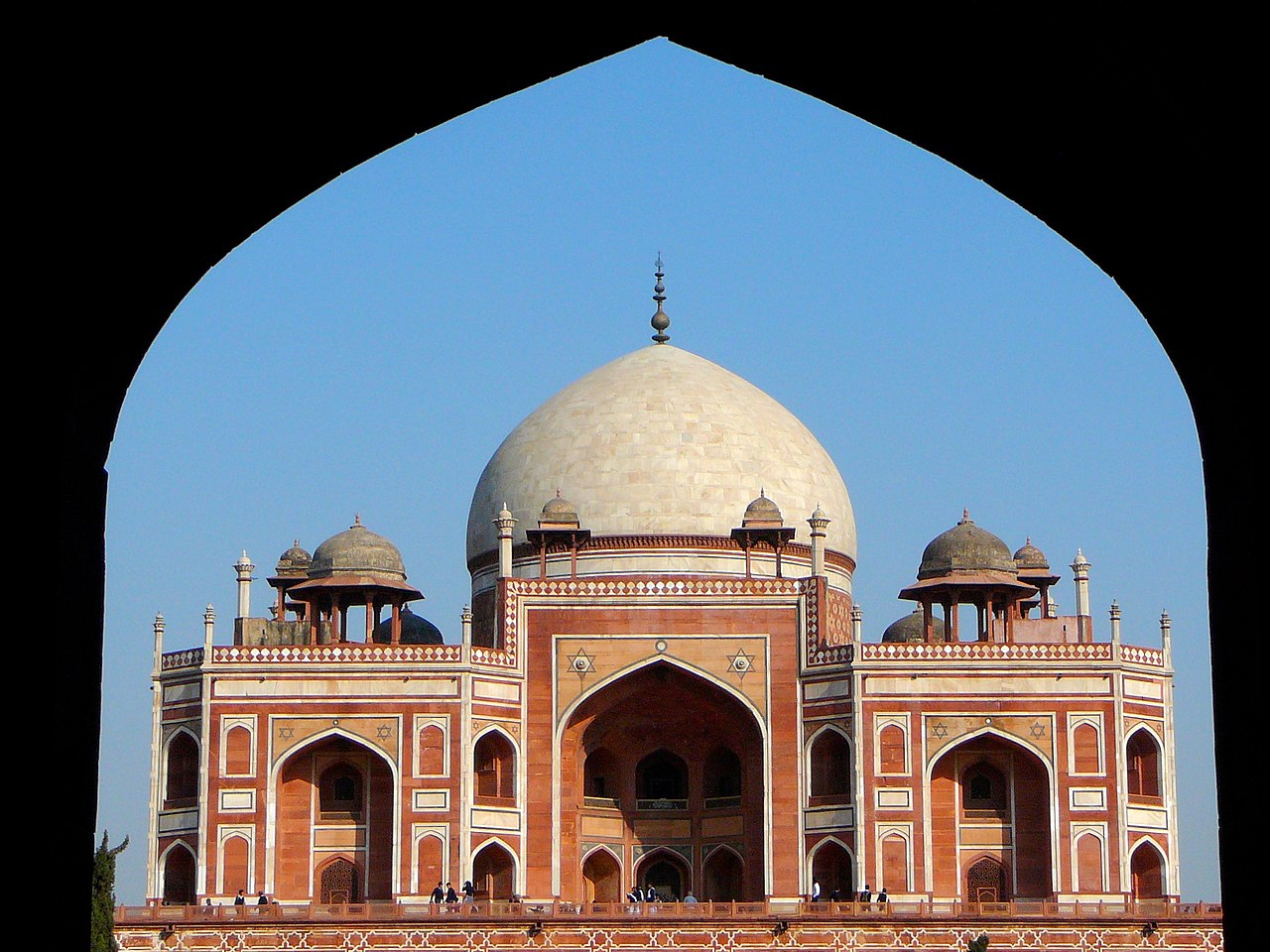
The mausoleum sits at the centre of a charbagh, a quadrilateral garden divided by walkways or water channels. The main building is raised on a high platform and capped by a double dome, with symmetrical pavilions and ornamental chattris. Notable characteristics include:
- Use of red sandstone with white marble accents and geometric inlay.
- High plinths and arched facades creating a play of light and shadow.
- Axial planning and formal terraces that shape the visitor's procession.
- Ancillary structures such as mosques, gateways and graves of royal family members.
History and construction
Construction began around 1569–70 under the patronage of Bega Begum who employed Persian architects, including Mirak Mirza Ghiyas and his son Sayyid Muhammad. The tomb set a precedent for later Mughal funerary architecture, culminating in more famous examples such as the Taj Mahal. Over centuries the complex underwent periods of neglect and restoration; major conservation efforts have sought to stabilize the masonry, restore gardens, and protect ornamental features.
Significance and legacy
Humayun's Tomb is prized for its early synthesis of Persian planning and Indian craftsmanship and for shaping a distinct Mughal aesthetic. It served as a prototype for imperial mausolea and influenced garden and tomb design across South Asia. The site was inscribed on the World Heritage List by UNESCO, recognizing its cultural value and the need for preservation. It remains a public monument and an active part of Delhi's cultural landscape.
Visiting and study
Researchers and visitors study the complex to understand its construction techniques, iconography, and garden hydraulics. Its ensemble of buildings provides examples of Mughal spatial organization, while ongoing conservation offers lessons in heritage management. For introductory references and local information see entries and sources listed under tomb records.
Further reading and resources are available through catalogues and academic publications; institution pages and guided tours often provide contextual material for first-time visitors and students of South Asian architecture.
Related articles
Author
AlegsaOnline.com Humayun's Tomb — Mughal mausoleum in Delhi Leandro Alegsa
URL: https://en.alegsaonline.com/art/45682
Sources
- kamit.jp : "HUMAYUN'S TOMB in DELHI"
- hindu.com : "Mausoleum that Humayun never built"
- archnet.org : "Humayun's Tomb"
- asi.nic.in : Humayun's Tomb
- whc.unesco.org : Humayun's Tomb, Delhi