
Potsdam: capital of Brandenburg, parks, palaces and modern culture
Potsdam, adjacent to Berlin, is the capital of Brandenburg known for its palaces and park ensemble (Sanssouci), historic role as a Prussian residence and the 1945 Potsdam Conference at Cecilienhof.
Overview
Potsdam (Low Sorbian name Podstupim) is a medium-sized German city located immediately southwest of Berlin. It serves as the administrative capital of the state of Brandenburg and lies within the federal nation of Germany. The city combines urban neighborhoods with extensive green belts, lakes and historic residences. In the late 2010s its population was around 176,000, reflecting steady growth linked to the region's economy and its proximity to the capital.
Image gallery
10 Images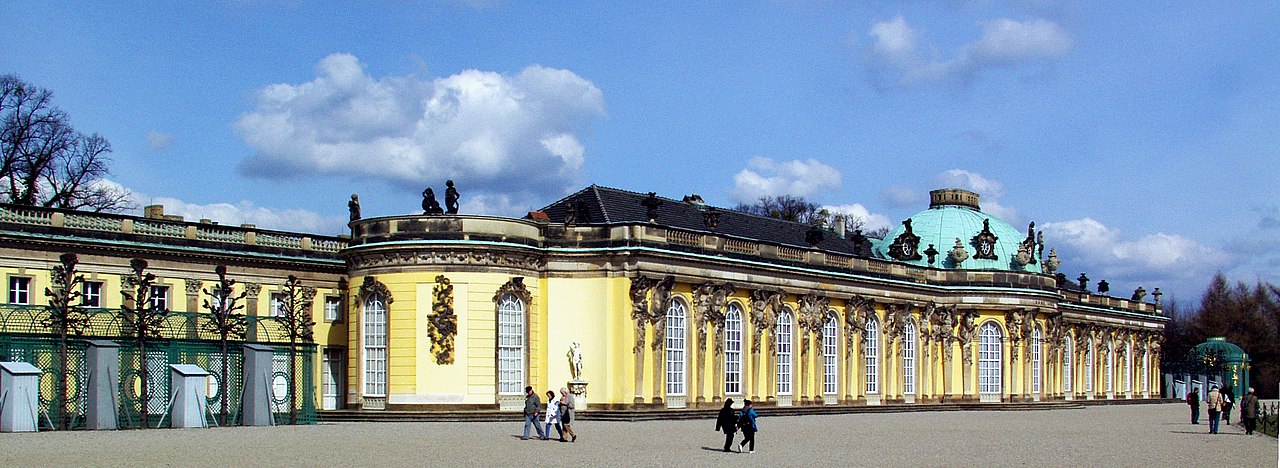




Geography and transportation
Potsdam occupies a low-lying, lake-dotted landscape west of the Havel River. Its setting includes a sequence of waterways and parks that shape urban development and leisure. Good transport links to Berlin and beyond—regional rail, S-Bahn, and autobahns—make Potsdam part of the wider Berlin metropolitan area while retaining distinct municipal institutions and cultural life.
Historic development
For centuries Potsdam was closely associated with the Prussian monarchy: a favored residence of the Prussian kings and, later, the German Kaiser until the end of the monarchy in 1918. Urban planning and artistic commissions during the Age of Enlightenment aimed to merge buildings and gardens in a controlled, pastoral way that expressed contemporary ideas about reason and nature. The result is an unusually coherent ensemble where architecture and landscape work together.
Parks, palaces and landmarks
The parks and palaces of Sanssouci form the heart of Potsdam's historic identity and the city's UNESCO World Heritage core. Sanssouci was the summer palace of Frederick the Great and features Rococo terraces, intimate pavilions and formal gardens. Beyond Sanssouci, notable sites include Neues Palais, the Chinese House, and the Russian Colony of Alexandrowka. Important civic and cultural sites include the film studios at Babelsberg and several museums.
- Brandenburg state institutions and palaces
- Babelsberg film studios and media facilities
- Historic quarters such as the Dutch Quarter and the Neuer Garten
- Cecilienhof, site of the 1945 conference
Culture, economy and modern life
Today Potsdam combines heritage tourism with a modern cultural economy. The nearby Babelsberg studios are central to Germany's film and television production; universities and research institutes also contribute to a knowledge-based local economy. Residential districts, parks and lakes attract commuters and visitors seeking a quieter environment than central Berlin while remaining connected to the capital's labor market.
Notable events and disputed legacies
In July–August 1945 the Potsdam Conference at the palace of Cecilienhof shaped postwar Europe and determined occupation arrangements for Germany. After World War II, art and cultural objects from Potsdam and elsewhere were removed by the Soviet Union; some collections were later returned while others remain in repositories in Russia. For example, portions of Frederick the Great's library and selected works were repatriated, but debates about displaced cultural property persist.
Further reading and resources
For introductions to Potsdam's language history, urban planning and heritage management see basic entries on local history or consult municipal guides and cultural services. Local museums and heritage agencies provide primary information about the palaces, gardens and archival collections. For general context about the region and its institutions, consult state-level overviews and scholarly surveys.
Prussian history | Enlightenment planning | architectural studies | landscape design | local languages | Germany | Berlin relations | Brandenburg | state capital | Soviet removal of art | restitution issues | Potsdam Conference
Related articles
Author
AlegsaOnline.com Potsdam: capital of Brandenburg, parks, palaces and modern culture Leandro Alegsa
URL: https://en.alegsaonline.com/art/78453
Sources
- destatis.de : "Alle politisch selbständigen Gemeinden mit ausgewählten Merkmalen am 31.12.2018 (4. Quartal)" · web.archive.org
- destatis.de : destatis.de/DE/ZahlenFakten/LaenderRegionen/Regionales/Gemeindeverzeichnis/Administrativ/…
- statistik-berlin-brandenburg.de : "Bevölkerung im Land Brandenburg nach amtsfreien Gemeinden, Ämtern und Gemeinden 31. Dezember 2016 (Fortgeschriebene amtliche Einwohnerzahlen auf Grundlage des Zensus 2011)"
- commons.wikimedia.org : Potsdam