
Necropolis: the city of the dead
A necropolis is a large, planned burial complex or 'city of the dead', often monumental and separate from living settlements; important in ancient cultures and studied for archaeology and heritage preservation.
A necropolis — literally a "city of the dead" — is a large, planned burial complex that serves as more than a simple gravesite. Unlike an ordinary cemetery, a necropolis often contains elaborate tombs, monuments, and ritual spaces arranged with durable architecture. The term is commonly applied to ancient examples such as the Giza Necropolis and the royal burial areas near Thebes, and it overlaps with broader concepts of cemetery and funerary landscape.
Image gallery
7 Images


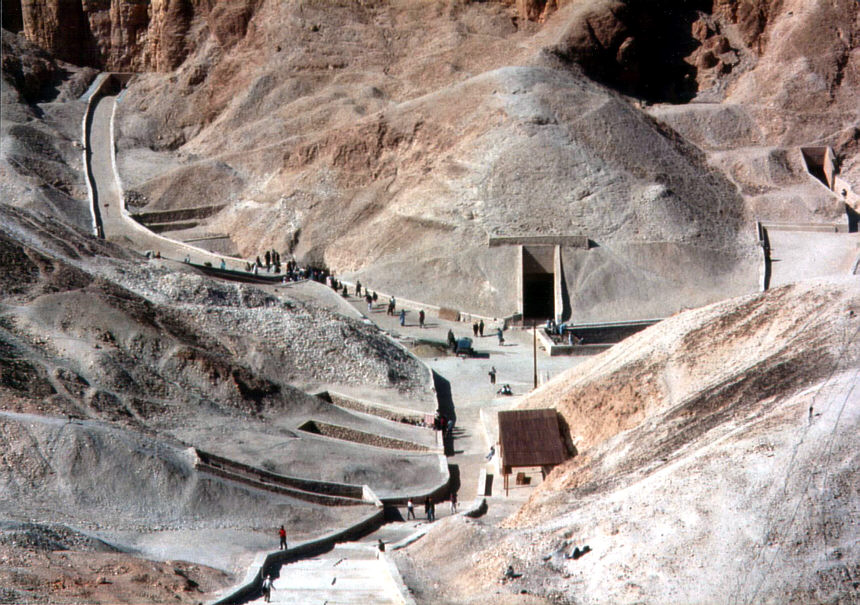
Characteristics and layout
Necropoleis vary widely in scale and form but share certain characteristics. They may be planned with streets or avenues of tombs, contain monumental markers (such as pyramids, mausolea, or stelae), and include spaces for ritual activities. Construction materials range from simple stone chambers to elaborate carved rock-cut tombs, and some complexes incorporate underground galleries or ossuaries.
Types of tombs and features
- Free-standing monuments (pyramids, mausolea)
- Rock-cut tombs and cliff-side burial chambers
- Catacombs and underground galleries used in later periods
- Funerary temples, chapels, and processional ways
History and cultural roles
Necropoleis are best known from ancient civilizations where burial customs expressed beliefs about death, ancestor veneration, and social status. In several societies, rulers and elites were interred in monumental complexes that also functioned as statements of political power. Over time, different cultures adapted the idea of a dedicated burial city: some developed monumental aboveground ensembles, others created extensive subterranean networks or ossuaries.
Importance and preservation
As concentrated repositories of human remains and artifacts, necropoleis are vital to archaeology, history, and the study of past religions and social structures. They are also subject to damage from urban growth, looting, and natural decay, so conservation and respectful management are important. Modern visitors often experience these sites as part of cultural heritage tourism, which raises complex questions about access, interpretation, and protection.
Distinctions and notable facts
In usage, "necropolis" often implies planning, size, or monumental quality beyond an ordinary cemetery. Related terms include "graveyard" (often church-adjacent), "ossuary" (storage for bones), and "mausoleum" (a single grand tomb). Well-known necropoleis continue to inform our understanding of ancient societies and remain prominent cultural landscapes around the world.
Related articles
Author
AlegsaOnline.com Necropolis: the city of the dead Leandro Alegsa
URL: https://en.alegsaonline.com/art/68969