
Al-Askari Mosque (al-ʿAskariyya) — historic Shīʿa shrine in Samarra
A major Shīʿa shrine in Samarra, Iraq, housing the tombs of the tenth and eleventh Imams; noted for its historic dome, its destruction in attacks during the 2000s, and subsequent restoration.
The Al-Askari Mosque, often called al-ʿAskariyya, is one of the most important holy sites for Twelver Shīʿa Muslims. Its Arabic name and local designations are widely used in religious literature and pilgrimage traditions: Marqad al-Imāmayn is one common form. The mosque stands in the ancient city of Samarra, in central Iraq, north of the capital Baghdad (roughly sixty miles by road). The complex combines a mausoleum, domed prayer space and associated structures and for centuries has been a focal point for devotion, commemoration and pilgrimage.
Image gallery
10 Images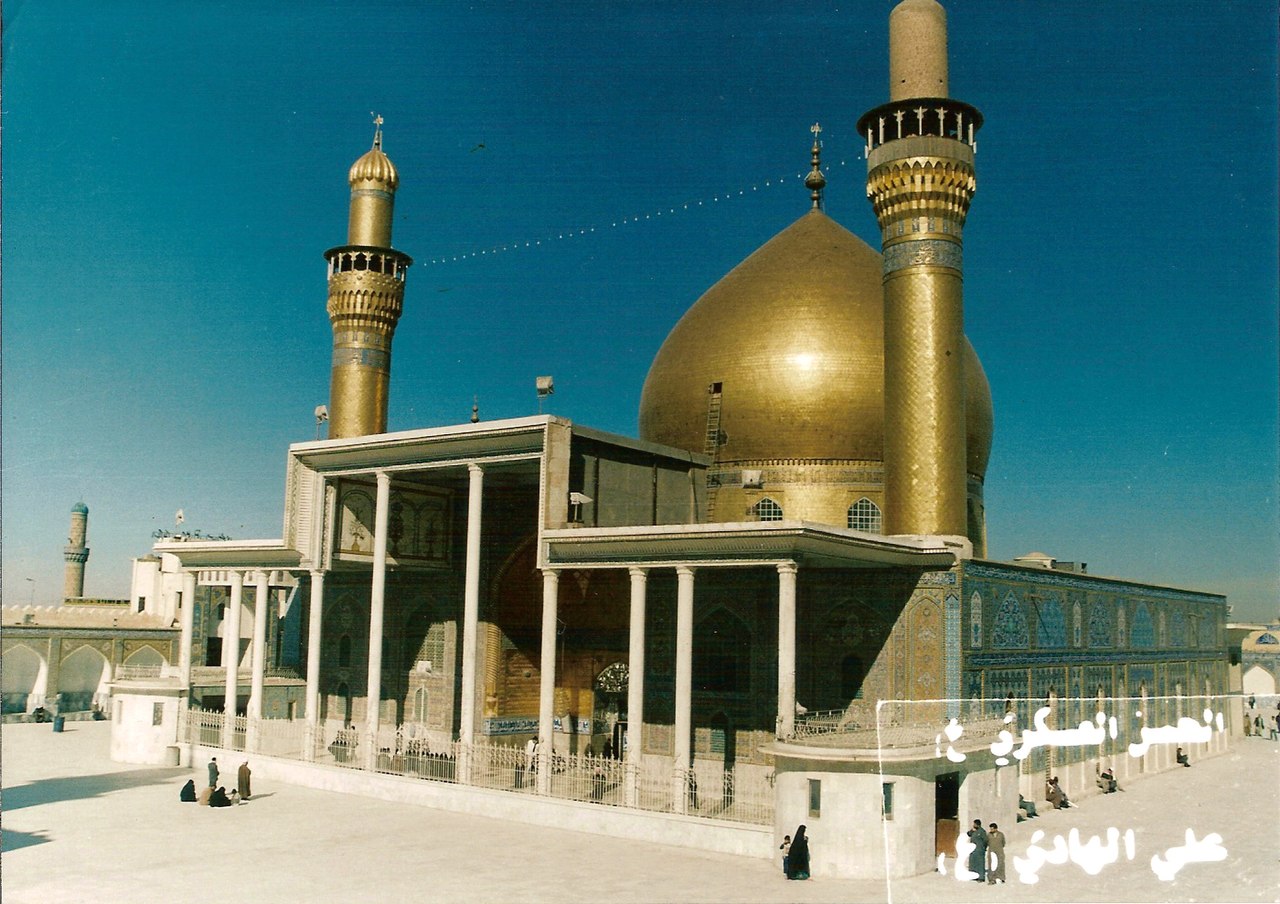

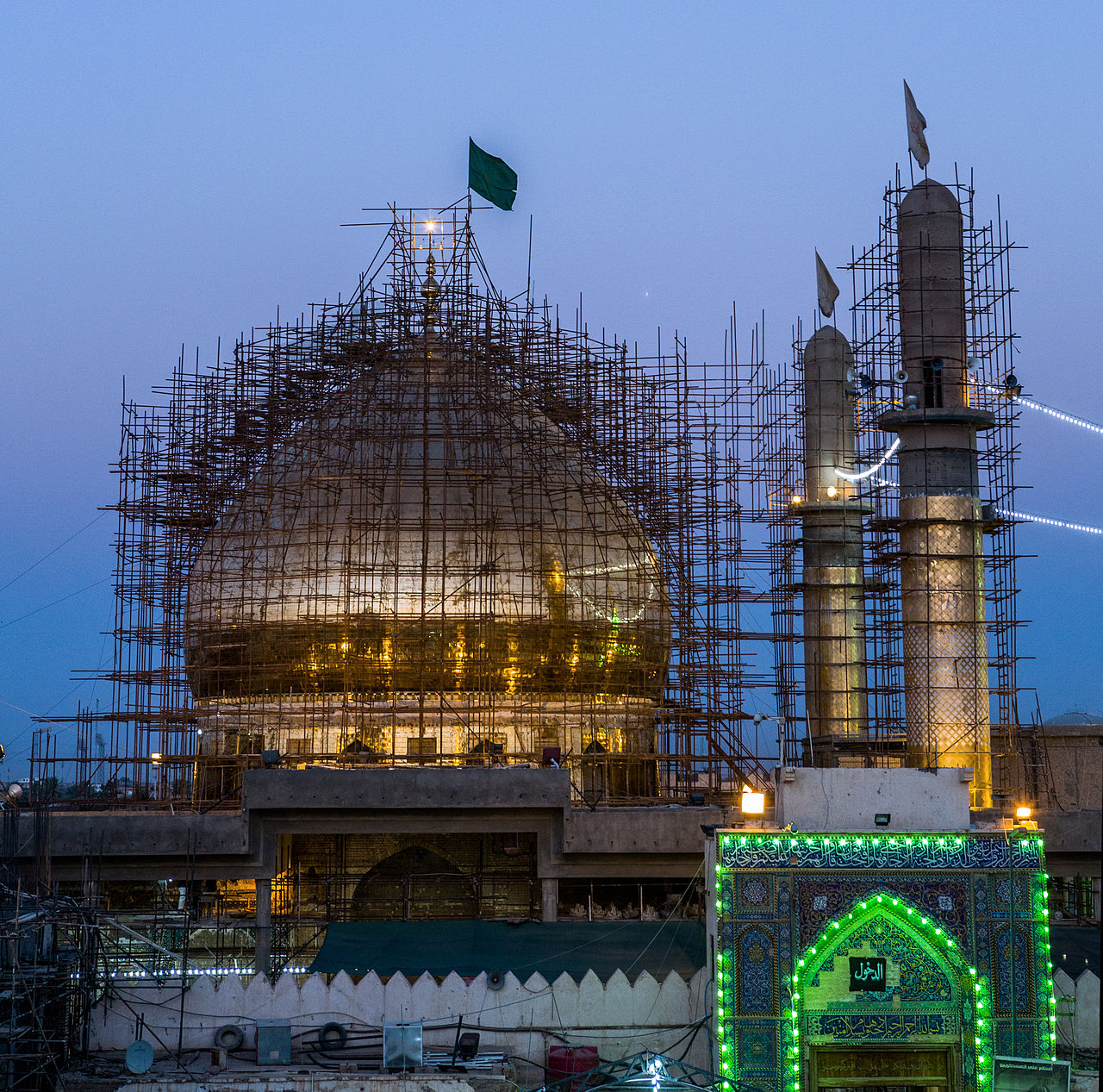


Site, contents and architecture
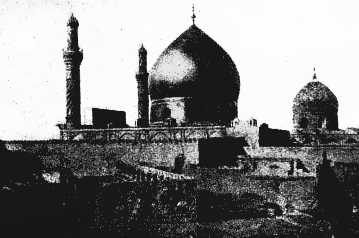
The shrine complex includes the burial chamber traditionally identified as the tomb of the tenth and eleventh Imāms, ʿAlī al‑Hādī and Ḥasan al‑ʿAskarī, often termed the “two ʿAskarīs.” Other family members connected to the Imāmate and local community—such as Hakimah Khatun and Narjis Khatun—are also associated with burials at the site. Over its long history the mosque was noted for a gilded dome and tall minarets that became visual landmarks of Samarra. Architectural forms and decoration reflected both religious function and changing artistic fashions in Iraq, with restoration and embellishment carried out at several points in the building’s history.
History and religious significance
Founded in the 10th century, the shrine developed its religious importance from its association with the Imāms of Twelver Shīʿism and the belief that the Twelfth Imām, Muḥammad al‑Mahdī, had family ties and links to Samarra prior to his occultation. For Shīʿa Muslims the Al‑Askari shrine is ranked among the most revered sanctuaries; only a few sites such as the shrines at Najaf and Karbala are regarded as more central to devotion and mourning rituals. Observers have noted that the complex has been respected by members of different communities in the region and that it functions as both a local landmark and a destination for pilgrims from abroad (Najaf and Karbala are often cited as related centers of pilgrimage).
Modern attacks, damage and reconstruction
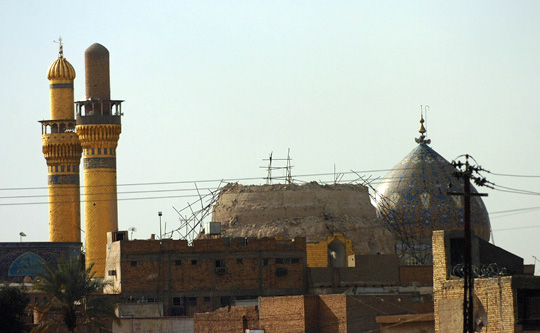
The mosque gained broader international attention after a series of violent attacks in the mid‑2000s that damaged its most visible elements. A major bombing destroyed the mosque’s golden dome in 2006, an event that precipitated widespread unrest; in a subsequent attack the minarets were also demolished. Media reports at the time emphasized the shrine’s centrality to Shīʿa identity and the wider impact of the attacks on Iraqi society (Time magazine provided contemporary coverage). The assaults were widely condemned and prompted national and international efforts to secure the site and to finance repairs. Reconstruction and conservation work began in the years that followed and the complex has been the subject of careful rebuilding and protective measures, with authorities aiming to restore both the structure and its role as a place of worship. Contemporary discussions of the site often refer back to the 2006 bombing as a turning point in modern Iraqi history.
Notable facts and context
- Names and designations: the site is known in varied terms such as the "Tomb of the Two Imāms" and al‑Hadhratu al‑ʿAskariyya; these reflect local usage and religious titles (Tomb of the Two Imāms).
- Location: it is a central landmark in Samarra and its position relative to Baghdad is commonly cited in descriptions (distance to Baghdad).
- Religious role: it serves both as a mausoleum and as a regular place of prayer and commemoration within Shīʿa practice, and is often grouped with other major shrines in lists of important pilgrimage sites (important Shīʿa mosques).
Visiting and contemporary importance
Today the Al‑Askari shrine remains a site of pilgrimage, memory and sensitive cultural heritage. Pilgrims, scholars and conservationists continue to engage with the complex as a living religious center and as an architectural monument. Its recent history makes it emblematic of wider themes in Iraq: the intersection of faith, politics and cultural preservation. Coverage of the mosque and of the events that affected it can be found in contemporary reporting and academic work; local authorities and international supporters have emphasized security and restoration as priorities to allow the shrine to fulfill its religious and social functions into the future.
For further contextual reading see contemporary reports and historical summaries of Samarra and its religious monuments; the Al‑Askari Mosque remains central to understanding modern Shīʿa devotional geography and the cultural history of Iraq (Arabic sources and English reporting are both widely available).
Samarra and its monuments are often visited together in studies of the region; additional references and reports are available through national and international heritage organizations and news outlets (Iraq, Baghdad distance, Baghdad, Shiʿa shrines list, tomb name, journalistic coverage, attack chronology, related shrines).
Questions and answers
Q: What is Al-`Askarī?
A: Al-`Askarī is a Shī`a Muslim holy site located in the Iraqi city of Samarra.
Q: How far away from Baghdad is Samarra?
A: Samarra is 60 miles from Baghdad.
Q: When was the `Askariyya Shrine built?
A: The `Askariyya Shrine was built in 944.
Q: Who are buried at the shrine?
A: The remains of the tenth and eleventh Shī`a Imāms, `Alī l-Hādī and his son Hassan al-`Askarī, known as "the two `Askarīs" (al-`Askariyyān), rest at the shrine. It also contains the remains of Hakimah Khatun, sister of `Alī l-Hādī, and Narjis Khatun, mother of Muħammad al-Mahdi.
Q: What other names does it go by?
A: The `Askariyya Shrine is also known as the "Tomb or Mausoleum of the Two Imāms", "the Tomb of Imāms `Alī l-Hādī and Hassan al-`Askarī" and al-Hadhratu l-`Askariyya.
Q: What happened to its dome in 2006?
A: Its dome was destroyed in February 2006 during what became known as the al-`Askar Mosque Bombing.
Q: How important is this site to Shi'ite Islam?
A: Time magazine reported that “al-Askari [is] one of Shi'ite Islam's holiest sites - only Najaf and Karbala are more important - and even Sunnis hold it in high esteem."
Tags
Related articles
Author
AlegsaOnline.com Al-Askari Mosque (al-ʿAskariyya) — historic Shīʿa shrine in Samarra Leandro Alegsa
URL: https://en.alegsaonline.com/art/1859
Sources
- timesonline.co.uk : "Al-Askariya shrine: 'Not just a major cathedral'"
- al-islam.org : "History of the Shrine of Imam Ali al-Naqi & Imam Hasan Al-Askari, Peace Be Upon Them"
- archnet.org : Shrine of Imām al-Hādī and Imām al-`Askarī
- time.com : An Eye For an Eye, Time Magazine, February 26, 2006
- english.aljazeera.net : Al-jazeera
- breakingnews.iol.ie : "Explosion destroys Shiite shrine golden dome"
- ibnlive.com : "Bombers strike Shia mausoleum in Iraq"
- washingtonpost.com : "Bombing Shatters Mosque In Iraq"
- hindustantimes.com : "Blast destroys golden dome of Iraq's shrine"
- timesonline.co.uk : "Bombing of Shia shrine sparks wave of retaliation"
- cbc.ca : "Iraqi shrine bombing spurs wave of sectarian reprisals"
- nytimes.com : "Minarets on Shiite Shrine in Iraq Destroyed in Attack"