
Rajasthan: geography, history, culture and economy of India's largest state
Rajasthan is the largest state in India by area. Known for the Thar Desert, Rajput heritage, vibrant arts, and major tourist sites such as Jaipur, it has a distinct climate, culture and economy.
Overview
Rajasthan is a large state in northwestern India known for its arid plains, historic forts and a distinctive cultural heritage. It is the largest Indian state by land area, covering roughly the same scale as some mid‑sized countries (comparative area, see area in square miles). The state capital is Jaipur, a major center for administration, commerce and tourism.
Image gallery
10 Images



Geography and climate
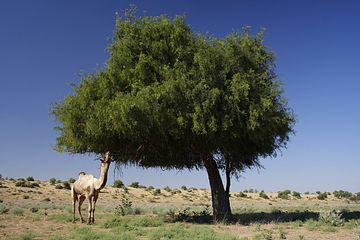
Much of Rajasthan is dominated by the Thar Desert, giving the region a largely arid or semi‑arid climate with hot summers and cool winters. The state shares internal borders with several Indian states and an international frontier with Pakistan. Its landscapes include sand dunes, dry riverbeds, rocky hills and patches of fertile plains where irrigation supports agriculture.
History and identity
Historically the region was known as Rajputana, a patchwork of princely states ruled by Rajput dynasties before Indian independence. That legacy is visible in numerous hilltop forts, walled cities and royal palaces. Local languages and dialects such as Rajasthani and Hindi reflect a long cultural continuity; some linguistic varieties are related to neighbouring dialects including North India speech forms.
Culture, arts and tourism
Rajasthan is renowned for traditional crafts, including textiles, jewelry, pottery and miniature painting, as well as for music and dance festivals. Its annual fairs and heritage events draw domestic and international visitors to cities, palaces and desert festivals. Major tourist attractions include historic forts, royal residences and sacred towns.
Economy and resources
The state's economy blends agriculture, mining, manufacturing and tourism. Mineral deposits, handicraft production and growing renewable energy projects contribute to income alongside service sectors centered in urban hubs.
Notable facts and comparisons
- Rajasthan is larger than some countries such as the Republic of the Congo but smaller than others like Germany.
- Many state towns keep living traditions of royal ceremonies and local governance dating to pre‑independence times.
- Its festivals, cuisine and architecture continue to influence wider Indian culture and tourism patterns (area reference).
For further reading on language, history and travel resources see regional guides and primary sources available through cultural and governmental portals (Thar, Jaipur, Rajasthani).
Related articles
Author
AlegsaOnline.com Rajasthan: geography, history, culture and economy of India's largest state Leandro Alegsa
URL: https://en.alegsaonline.com/art/80952