
Wonders of the World: Ancient List, Later Traditions, and Cultural Significance
An accessible account of the Seven Wonders concept: the classical ancient list, typical selection criteria, later variants (medieval, modern, natural), and their cultural and preservation importance.
Overview
The phrase "Wonders of the World" refers to distinctive lists of remarkable places, monuments or natural phenomena celebrated for their artistry, scale, engineering or beauty. The most famous formulation — the Seven Wonders of the Ancient World — assembled celebrated constructions known to Mediterranean travellers in classical antiquity as exemplars of human achievement and imagination.
Image gallery
10 Images




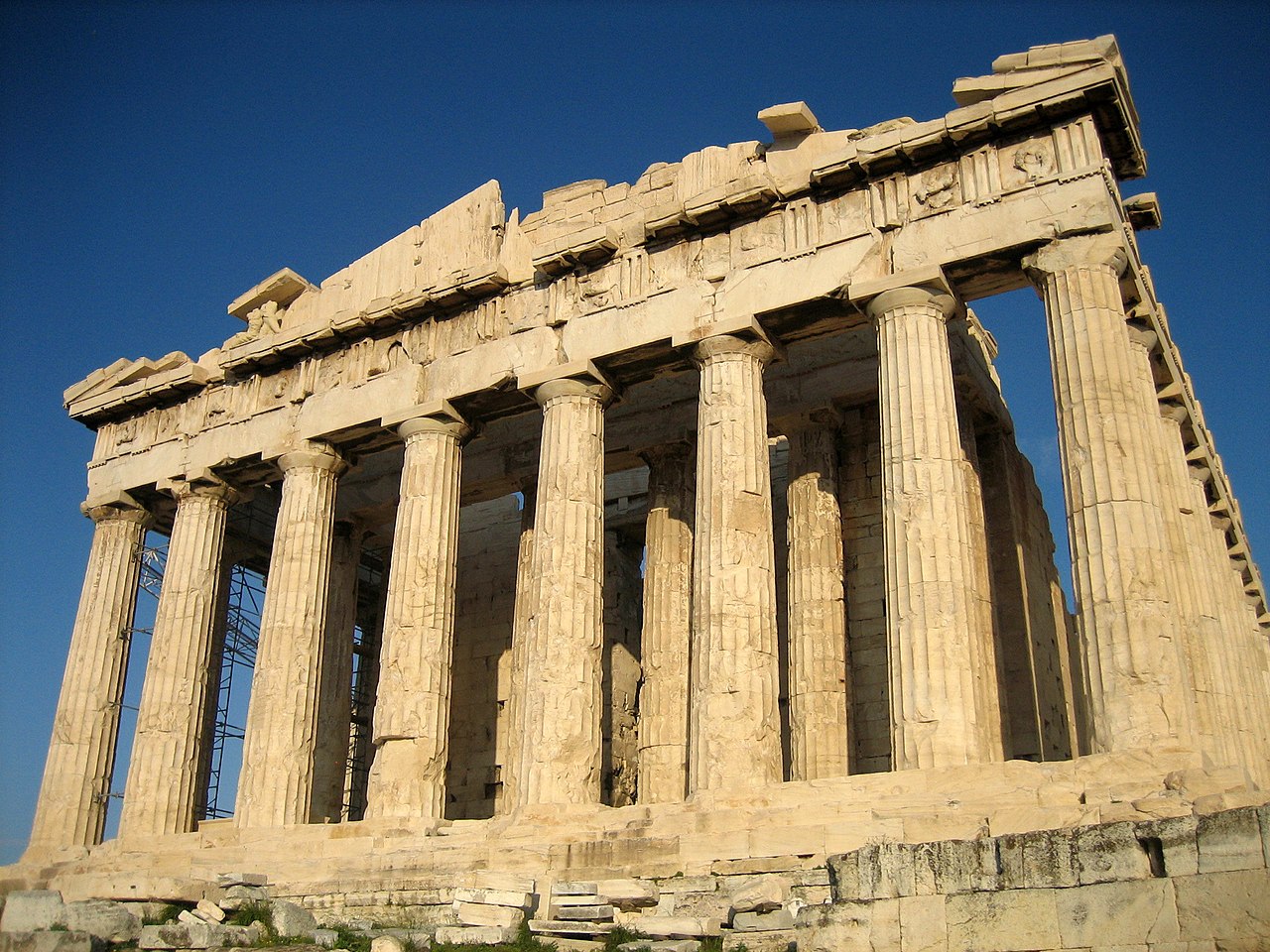
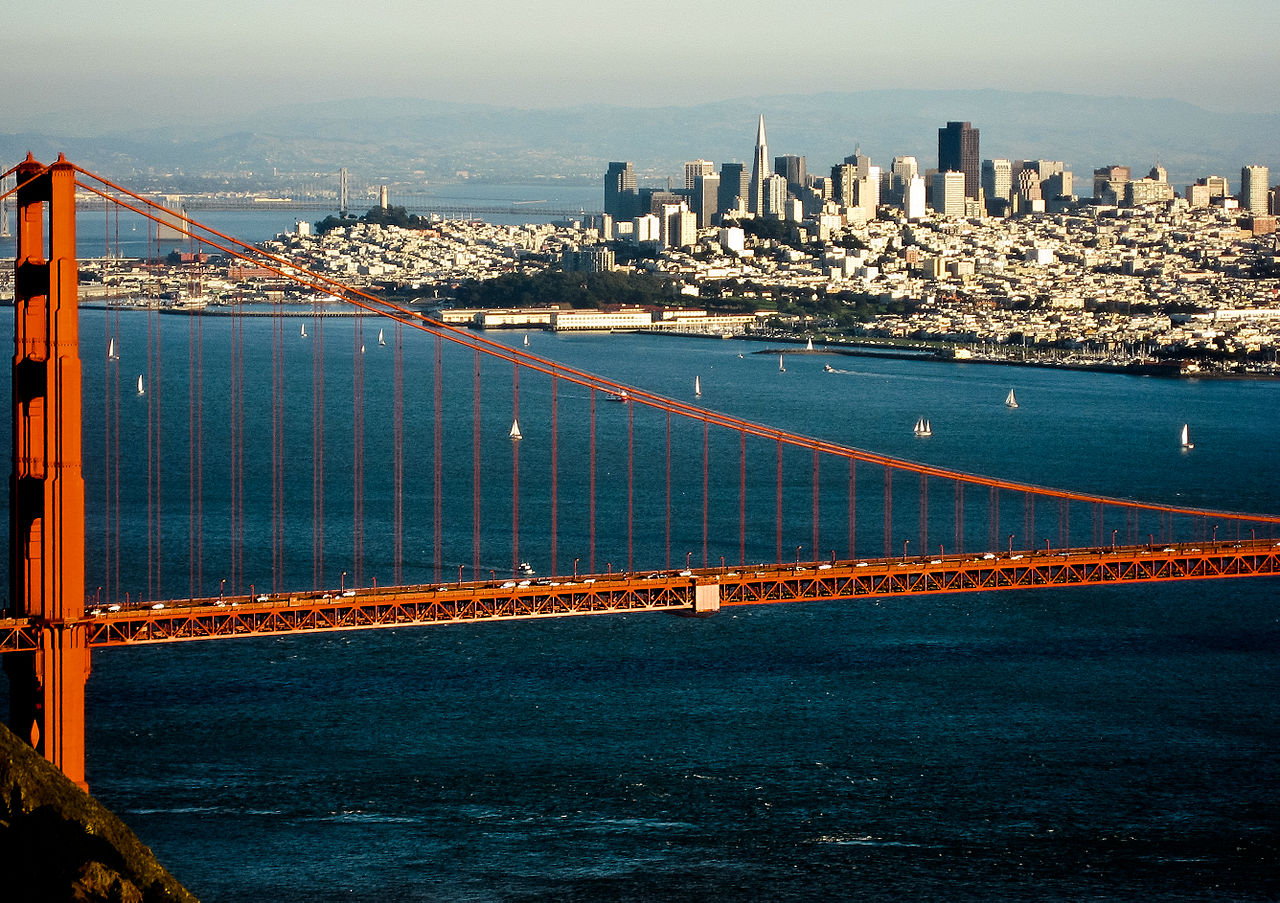

The classical Seven Wonders
Compiled and popularized by Hellenistic Greek writers and later travellers, the canonical ancient list traditionally contains seven structures admired for their grandeur and novelty. The conventional seven are:
- The Great Pyramid of Giza
- The Hanging Gardens of Babylon
- The Temple of Artemis at Ephesus
- The Statue of Zeus at Olympia
- The Mausoleum at Halicarnassus
- The Colossus of Rhodes
- The Lighthouse (Pharos) of Alexandria
Of these, the Great Pyramid is the only structure that survives substantially in its original form; the others are known through literary description, archaeological remains, coins, and later artistic reconstructions. Some items, notably the Hanging Gardens, are the subject of ongoing scholarly debate about their exact location and historicity.
Origins and authorship
Lists of wonders emerged from guidebooks, scholarly catalogues and travel tales circulating in the Hellenistic world. They reflect the tastes and knowledge of a literate, mobile elite who valued unusual scale, technical novelty and aesthetic splendor. No single ancient author set a fixed canonical list; variations existed, and the number seven proved memorable and symbolic in many cultures.
Criteria and characteristics
Wonders typically combine objective features — impressive dimensions, advanced engineering, expensive materials, artistic craftsmanship — with subjective qualities such as rarity and the capacity to inspire awe. Ancient examples often had religious, funerary or civic functions and showcased the power and resources of their patrons.
Later traditions and revivals
Over centuries people produced alternative enumerations: medieval wonders, Renaissance curiosities, lists of modern engineering feats, and compilations of natural wonders. In recent decades public campaigns and scholarly lists have renewed interest in ranking monuments, reflecting modern priorities in heritage, tourism and popular memory.
Cultural impact and preservation
Wonders shape how societies remember and value the past. They direct scholarly attention, stimulate archaeological investigation, and influence conservation priorities. Many sites associated with the concept are protected by national and international heritage institutions; preservation efforts balance historical research, tourism, and the needs of local communities.
Limitations and significance
"Wonders" is not a fixed technical category but a cultural construct. Different eras and regions produce different lists that reveal as much about contemporary values as about the objects themselves. The ancient Seven remain important as a window into classical perceptions of marvel, while modern and natural lists show how criteria for wonder evolve with changing knowledge, taste and global awareness.
Related articles
Author
AlegsaOnline.com Wonders of the World: Ancient List, Later Traditions, and Cultural Significance Leandro Alegsa
URL: https://en.alegsaonline.com/art/108894
Sources
- world.new7wonders.com : "How the New7Wonders movement all began - World of New7Wonders"
- worldcat.org : 0028-9604
- latimes.com : The Seven Wonders of the World, 2.0
- world.new7wonders.com : "New7Wonders and UNESCO: Separate organizations, common goals"
- whc.unesco.org : "UNESCO confirms that it is not involved in the "New7Wonders of the World" campaign"