
Xi'an — Ancient Chinese capital and home of the Terracotta Army
Xi'an, capital of Shaanxi in north-central China, is a millennial urban center famed for the Terracotta Army, its Tang-era legacy, preserved city wall, Silk Road role and rich archaeological heritage.
Overview
Chinese: 西安 (pinyin: Xī'ān) is the capital of Shaanxi Province in China. One of China's oldest continuously occupied cities, Xi'an served as a political, economic and cultural center for many dynasties. Its metropolitan area was variously reported at about six million inhabitants in 2011; later counts show growth as the region modernized, though precise totals vary by definition and season. For historical population and administrative data see local population estimates and statistical summaries.
Image gallery
10 Images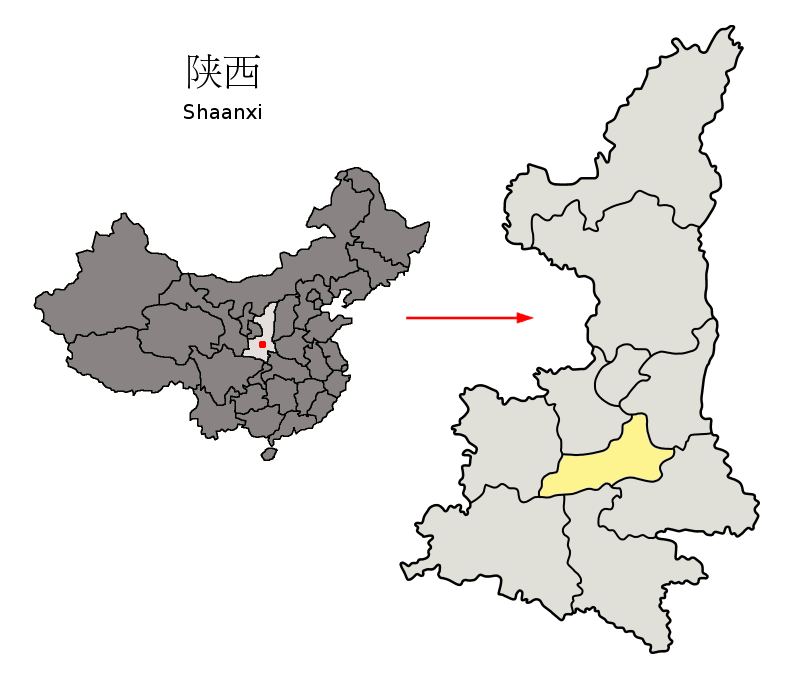



Historical significance
Historically known as Chang'an, the city was capital to several major dynasties including the Zhou, Qin, Han, Sui and Tang. Under the Tang the city became one of the world's great capitals, a cosmopolitan hub that served as a principal eastern terminus of the Silk Road. Trade, religious exchange and diplomatic contact flowed through its gates, leaving archaeological and documentary traces that inform studies of premodern globalization in Asia.
Landmarks and archaeology
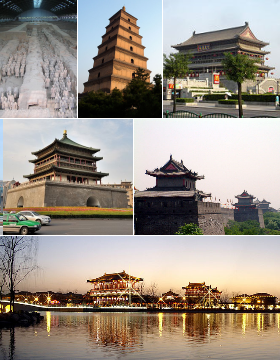
Xi'an's most famous archaeological site is the Terracotta Army, a vast assembly of life‑size terracotta soldiers and horses buried near the mausoleum of Qin Shi Huang, the first emperor who unified China in the third century BCE. Excavations reveal aspects of funerary practice, craft organization and imperial ideology. Within the urban core visitors can also see a largely intact ancient city wall, the Big Wild Goose Pagoda, and numerous museums that preserve coins, ceramics, inscriptions and other material culture.
City fabric and modern role
Contemporary Xi'an balances preserved historic districts with expanding suburbs, universities and high‑technology parks. The ancient city wall encloses a compact core of historic streets and markets; beyond it lie research institutions, industrial zones and modern transit networks. The city functions as a regional transport hub for rail and air, and as a center for archaeological research and heritage tourism.
Culture, cuisine and society
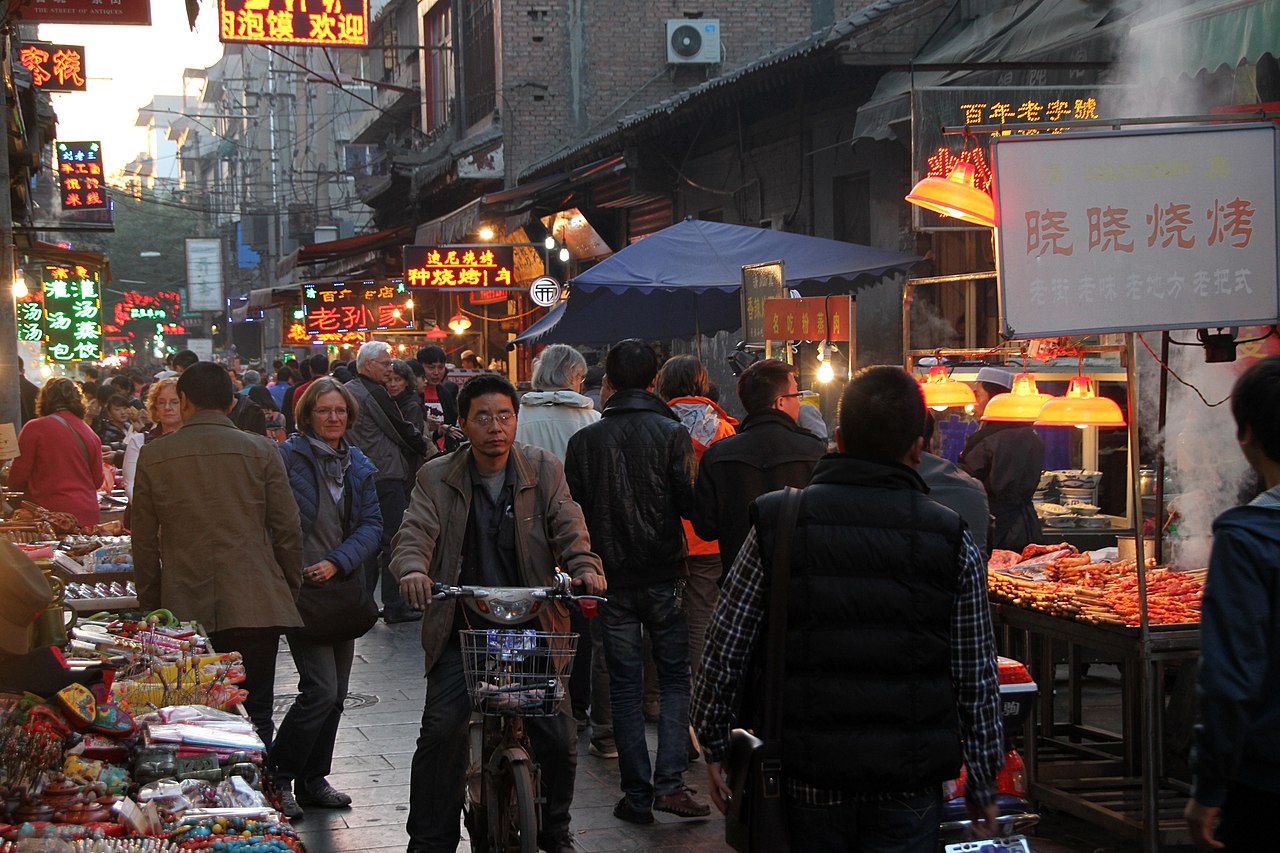
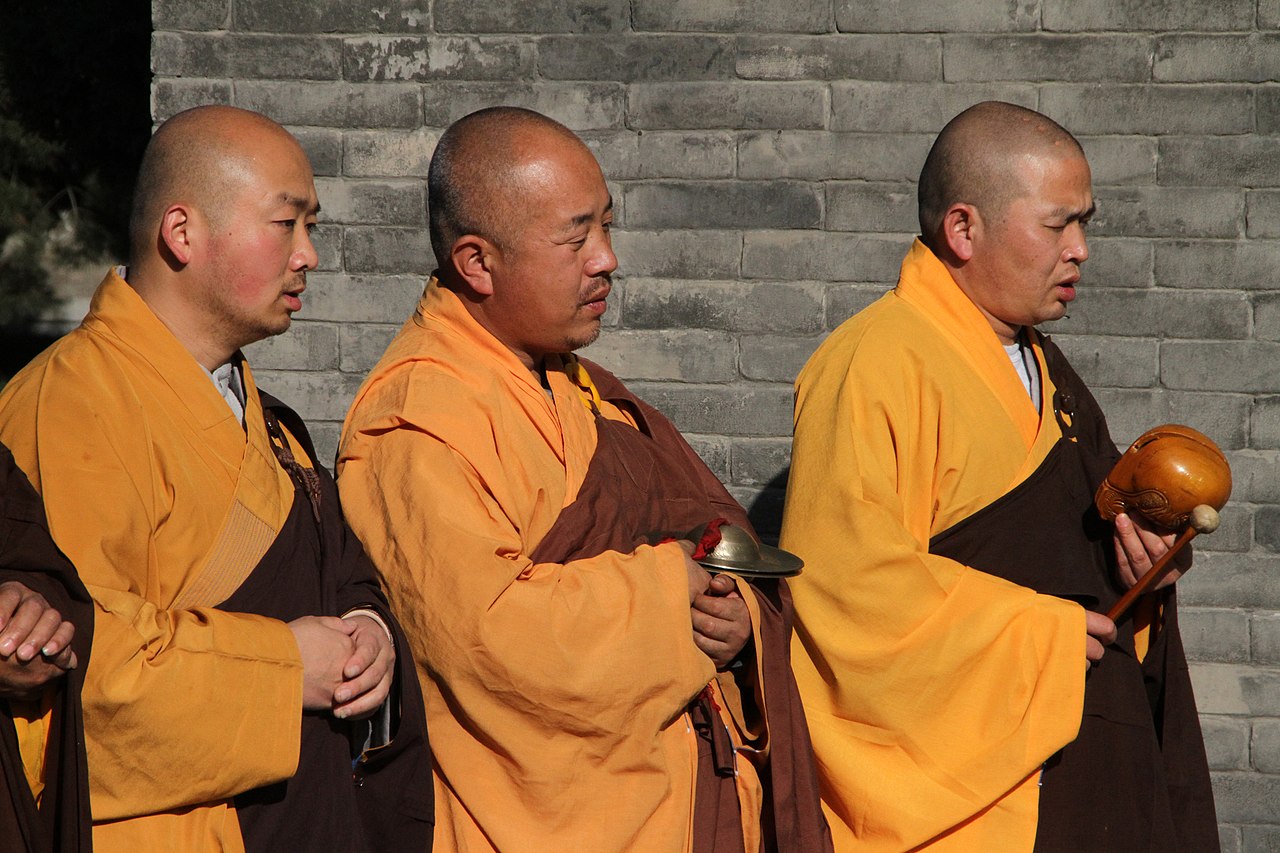
Xi'an remains a cultural crossroads. The Muslim Quarter preserves centuries of Hui Muslim life and is notable for distinctive culinary traditions such as roujiamo (meat sandwiches) and hand‑pulled noodles. Religious and cultural diversity has left a layered architectural and ritual landscape, from Buddhist pagodas to mosque courtyards and imperial tomb sites.
Economy, education and transport
Modern economic activity includes aerospace, electronics, software and higher education. Several major universities and research institutes are based in Xi'an, contributing to innovation and a skilled workforce. Transport links—railways that connect to inland and coastal China and an international airport—support both commerce and inbound tourism.
Preservation and tourism
Managing the conservation of ancient monuments alongside urban growth is an ongoing challenge. Archaeological practice in the region emphasizes structured excavation, conservation and public display. Tourists are drawn to the Terracotta Army complex, the city wall, historic pagodas and museum collections; visitors are advised to consult official guides for opening hours, conservation rules and recommended itineraries.
Further reading and resources
Good starting points include museum publications, archaeological reports and overviews of Silk Road history. For general introductions, local guide materials and academic summaries, follow museum and cultural authority links that compile primary findings and visitor information.
- See the Terracotta exhibition and site facilities: Terracotta Army.
- General provincial information: Shaanxi Province resources.
- Language and names: 西安 and Xī'ān.
- Demographic references: population estimates and metropolitan statistics.
Related articles
Author
AlegsaOnline.com Xi'an — Ancient Chinese capital and home of the Terracotta Army Leandro Alegsa
URL: https://en.alegsaonline.com/art/109480
Sources
- sinohotelguide.com : "About Xian -- Xian introdution, sightsiing, tour, tour package, hotel reservation, shopping and cuisine"
- accesschinatravel.com : accesschinatravel.com/
- thesilkroadchina.com : "The Silk Road China Travel Maps, Tourist Map of Silk Road China, The Silk Road China"