
Megalith: large stone monuments, construction, history and significance
An overview of megaliths—large stones and the structures built from them—including etymology, construction methods, regional traditions, dating, functions, notable examples and preservation.
Overview
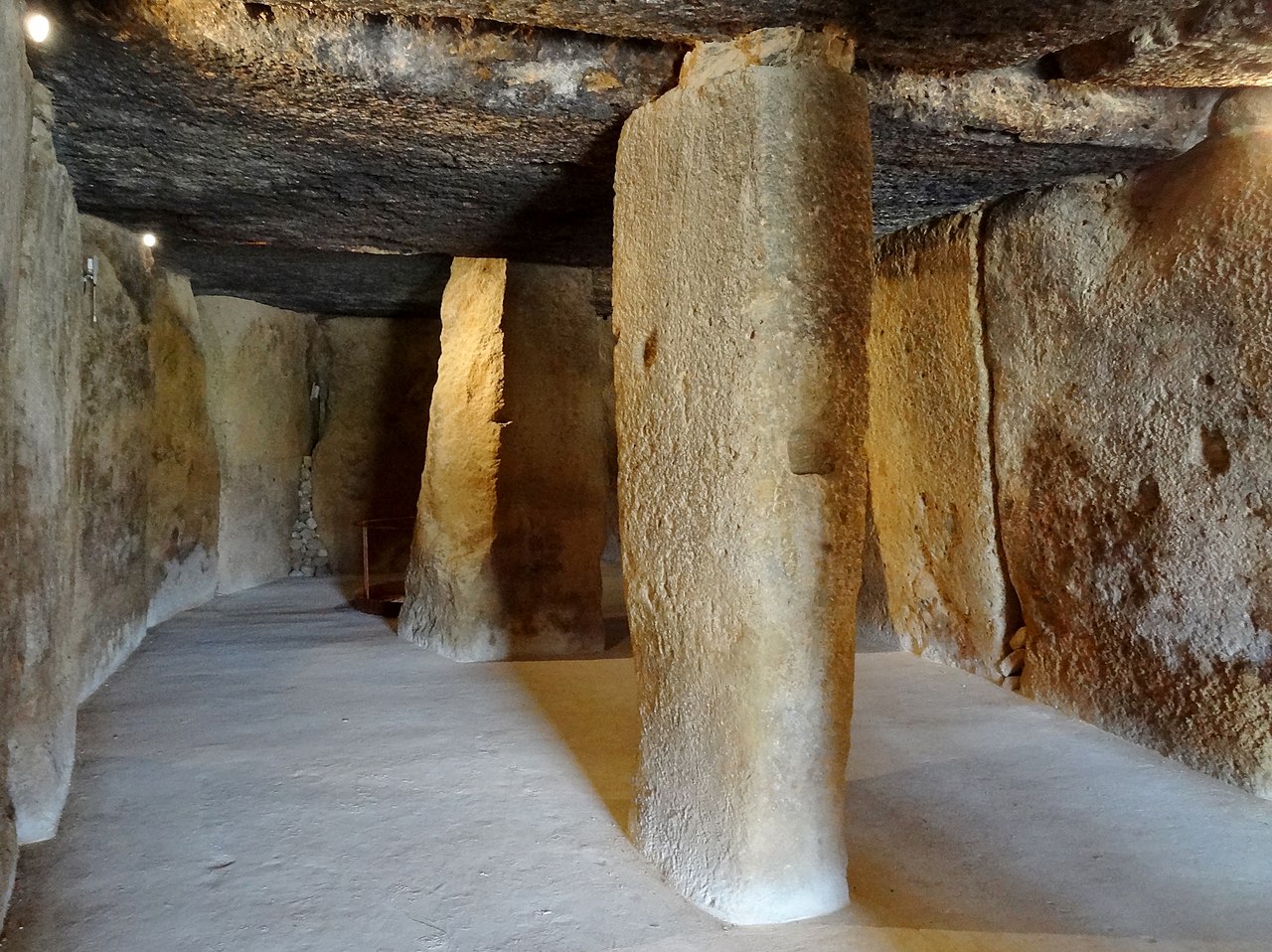
A megalith is a large stone used alone or together with others to create a lasting structure or monument. The term typically applies to prehistoric monuments made of massive unworked or roughly worked blocks placed without the use of mortar (mortar) or modern binders such as cement. Megalithic constructions vary greatly in form and intent, from single standing stones to complex ceremonial complexes.
Image gallery
10 Images




Etymology and periods
The word derives from Ancient Greek roots (megas meaning "great" and lithos meaning "stone"). Megalithic building traditions are most commonly associated with the later Stone Age and the Neolithic period, although they were sometimes continued or adapted into the Bronze Age and in a few regions have antecedents in the Mesolithic. Chronology varies by region and is established through excavation and scientific dating methods.
Construction, forms and characteristics
Megalithic builders used pragmatic mechanical solutions—levering, rolling, sledges, simple cranes and earthen ramps—to move and erect large blocks drawn from local quarries or glacial deposits. Common architectural forms include single uprights (menhirs), paired stones, linear stone structures such as alignments, stone circles, dolmens (table-like chambers), passage graves and long barrows. In many cases timber frameworks and earthen coverings complemented the stonework.
Regional traditions and distribution
Megaliths appear worldwide in many independent traditions. Western Europe and the Atlantic façade, the Mediterranean, parts of Africa, South and Southeast Asia and the Pacific each developed distinct megalithic repertoires. Regional traditions reflect differences in available rock types, social organization, ritual practice and landscape setting; similar-looking monuments in different areas need not indicate direct cultural contact.
Functions, alignments and interpretation
Archaeologists recognise a range of functions: funerary chambers and tombs, territorial markers, communal gathering places, and sites with ritual or astronomical associations. Some monuments show deliberate orientation to celestial events and seasonal markers such as solstices and equinoxes, though not all alignments are intentional. Interpretation relies on context—burial remains, artefacts, and landscape relations—rather than a single universal explanation.
Types and terminology
- Menhir: an isolated standing stone or pillar.
- Dolmen: a simple chamber of uprights capped by a horizontal slab, often used for burials.
- Passage grave: a roofed chamber reached by a corridor, sometimes covered by a mound.
- Cromlech or stone circle: circular arrangements of uprights used for varied communal and ritual purposes.
Dating and archaeological study
Dating megaliths uses a combination of radiocarbon analysis of organic remains, stratigraphic evidence from excavations, typological comparison and, where relevant, archaeoastronomical study. Field archaeology, survey mapping, remote sensing and conservation science together help reconstruct construction sequences and social contexts.
Preservation and cultural legacy
Megaliths are fragile components of the archaeological record and face threats from agriculture, development and natural weathering. Many iconic sites are protected as national monuments or World Heritage properties, while lesser-known examples may be poorly documented. Public interest in megaliths has encouraged research, tourism and local heritage initiatives, but also raises challenges for management and interpretation.
Notable examples and further reading
- Stonehenge is a well-known complex of stone circles and earthworks in Britain often cited in discussions of megalithic engineering and astronomical alignment.
- Other European traditions include passage graves and long barrows across Ireland, Brittany and Scandinavia (stone structures).
- Megalithic tombs and standing stones are also significant in parts of Asia and Africa, where local forms and meanings differ from Atlantic traditions.
For specialised topics consult resources on basic terminology and definitions (stone), architectural descriptions (structure), monument studies (monument), construction materials and binding methods (mortar, cement), linguistic background (etymology), regional surveys (regional surveys), astronomical considerations (solstices, equinoxes), and chronological context (Neolithic, Bronze Age, Mesolithic). Other major site case studies are collected under curated guides and site reports (major site case studies).
Understanding megaliths requires combining archaeological evidence with careful assessment of landscape, materials and local traditions. While many questions remain about the social contexts that produced substantial stone monuments, ongoing fieldwork continues to refine chronologies and interpretations.
Related articles
Author
AlegsaOnline.com Megalith: large stone monuments, construction, history and significance Leandro Alegsa
URL: https://en.alegsaonline.com/art/63506
Sources
- books.google.com : Folk-memory