
Mazar-i-Sharif: Balkh’s historic city and religious center
Mazar-i-Sharif, capital of Balkh in northern Afghanistan, is a regional trade, cultural and pilgrimage centre noted for the Blue Mosque, Hellenistic remains, diverse population and strategic location.
Mazar-i-Sharif is the principal city of Balkh province in northern Afghanistan. Its name, rendered in Persian and Pashto, is commonly shortened to Mazar, meaning "shrine". Historically the city developed around important religious sites and as a gateway between the Iranian Plateau and Central Asia. It is often described as the fourth-largest city of the country by population; estimates placed the population near 375,000 in 2006, though later figures vary between sources.
Image gallery
10 Images


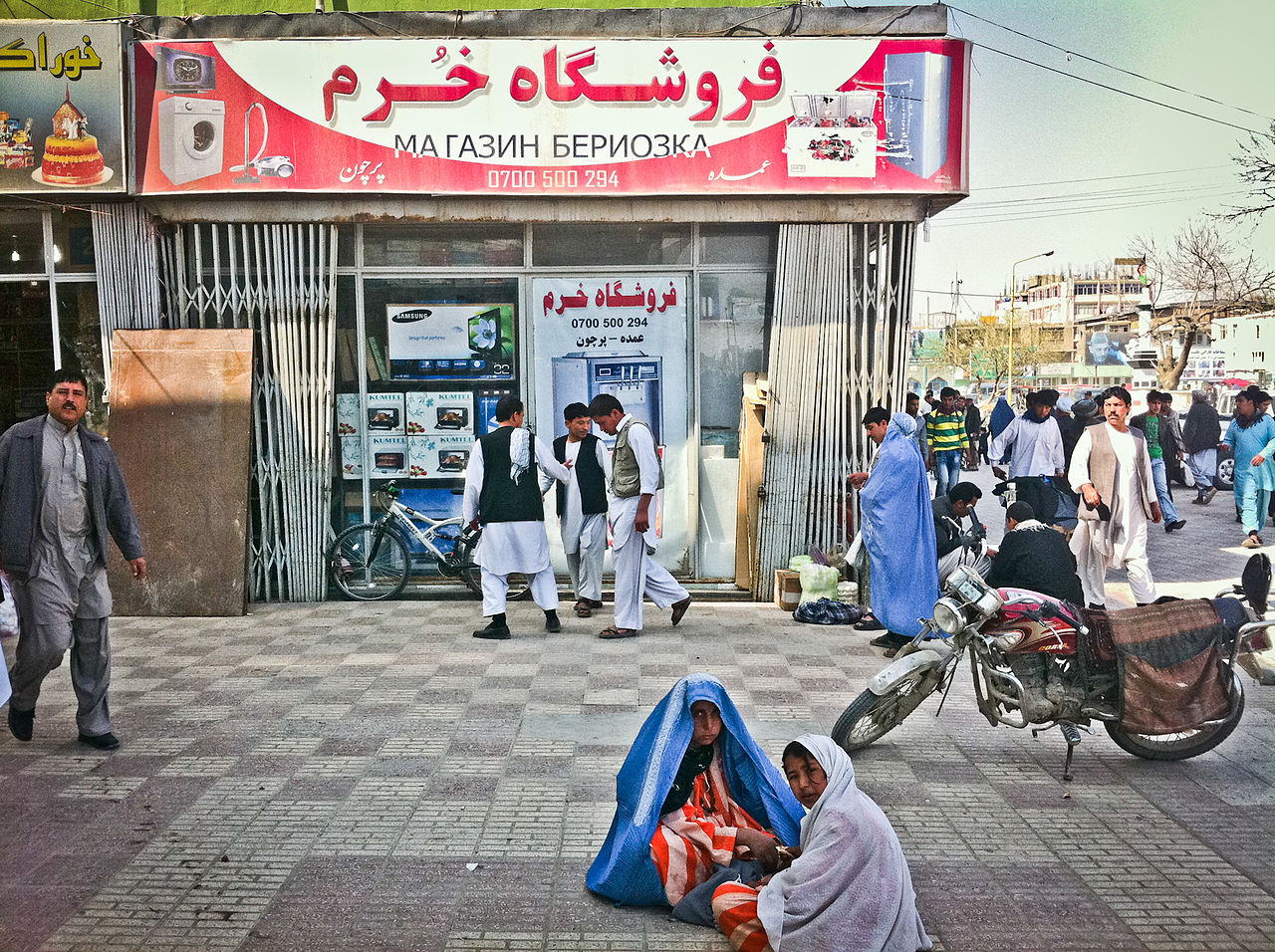
Geography and transport
Mazar-i-Sharif lies on the fertile plains north of the Hindu Kush and benefits from irrigation-fed agriculture. Road links connect the city east to Kunduz, southeast to Kabul, west toward Herat and north toward the border with Uzbekistan. A regional airport and freight routes make it an important logistics hub for northern Afghanistan, serving both civilian travel and the movement of agricultural produce and manufactured goods.
History and archaeology
The urban site overlies a long sequence of settlement associated with ancient Bactria, Persian and Hellenistic periods, and later Islamic dynasties. Archaeologists have reported Hellenistic remains in and around the city, and in 2006 further finds were announced that highlighted these classical links. Nearby is the ancient city of Balkh, sometimes called the "mother of cities," which provides additional layers of pre-Islamic and medieval history.
Cultural and religious significance
Mazar-i-Sharif is best known for its prominent shrines, chief among them the richly decorated Blue Mosque, which draws pilgrims and visitors from across the region and beyond. The site is associated in local tradition with early Islamic figures and Sufi practices. The city hosts cultural events and seasonal celebrations such as Nowruz, and the religious calendar brings regular flows of pilgrims and devotees reflecting Afghanistan’s broader Muslim heritage.
Economy, society and landmarks
The local economy combines agriculture, trade and light industry. Markets sell fruits, carpets and handicrafts; cotton, wheat and orchard crops are important in the surrounding countryside. The population is ethnically diverse, including Tajiks, Uzbeks, Pashtuns, Hazaras and others, and Dari (a variety of Persian) is widely spoken alongside Turkic and Pashto languages. Notable urban features include the Blue Mosque complex, residential bazaars and archaeological sites that attract researchers and tourists.
Modern role and considerations
As a provincial capital, Mazar-i-Sharif is an administrative, educational and commercial centre for northern Afghanistan. Its strategic position near Central Asian borders has shaped its economic opportunities and its role in regional security. Preservation of archaeological remains, the management of pilgrimage traffic, and the needs of a multiethnic urban population are ongoing concerns for local authorities and international partners. Visitors and scholars use specialist local sources for the most current information on access, security and research opportunities.
- Religious tourism and pilgrimage centered on the Blue Mosque and other shrines.
- Archaeology revealing Bactrian and Hellenistic layers beneath later Islamic occupation.
- Transport links and markets connecting northern Afghanistan with Central Asia.
For further reading on language, culture and regional links see resources in Persian, Pashto and studies of Afghanistan. Regional travel and historical studies often reference routes to Kunduz, Kabul, Herat and connections with Uzbekistan as part of broader Central Asian networks; see specialist guides and academic surveys for details and updates.
Questions and answers
Q: What is the population of Mazār-i-Sharīf?
A: The population was about 375,000 as of 2006.
Q: What is Mazār-i-Sharīf known for?
A: Mazār-i-Sharīf is known for its famous shrines as well as the Muslim and Hellenistic archeological sites.
Q: What is the capital of Balkh province?
A: Mazār-i-Sharīf is the capital of Balkh province.
Q: What countries is Mazār-i-Sharīf linked to by roads?
A: Mazār-i-Sharīf is linked by roads to Kunduz in the east, Kabul in the south-east, Herat to the west and Uzbekistan to the north.
Q: Why is Mazār-i-Sharīf a major tourist attraction in Afghanistan?
A: Mazār-i-Sharīf is a major tourist attraction in Afghanistan because of its famous shrines as well as the Muslim and Hellenistic archeological sites.
Q: When were new Hellenistic remains discovered in Mazār-i-Sharīf?
A: The discovery of new Hellenistic remains was announced in 2006.
Q: What does the word "Mazār-i-Sharīf" mean in Persian/Pashto?
A: The word "Mazār-i-Sharīf" means "noble shrine" in Persian/Pashto.
Related articles
Author
AlegsaOnline.com Mazar-i-Sharif: Balkh’s historic city and religious center Leandro Alegsa
URL: https://en.alegsaonline.com/art/63160
Sources
- unhabitat.org : "The State of Afghan Cities Report 2015" · web.archive.org
- bbc.co.uk : "Balkh Monument"
- news.bbc.co.uk : "Afghan powerbrokers: Who's who"
- guardian.co.uk : "Afghan Massacre Haunts Pentagon"
- google.com : google.com
- bbc.co.uk : "Afghan railway: First train runs on new line in north"