
Karbala: Sacred City and Pilgrimage Center in Iraq
Karbala is an Iraqi city revered in Shia Islam as the site of Imam Husayn's martyrdom. It hosts major shrines and annual pilgrimages such as Ashura and Arba'een and is the capital of Karbala Governorate.
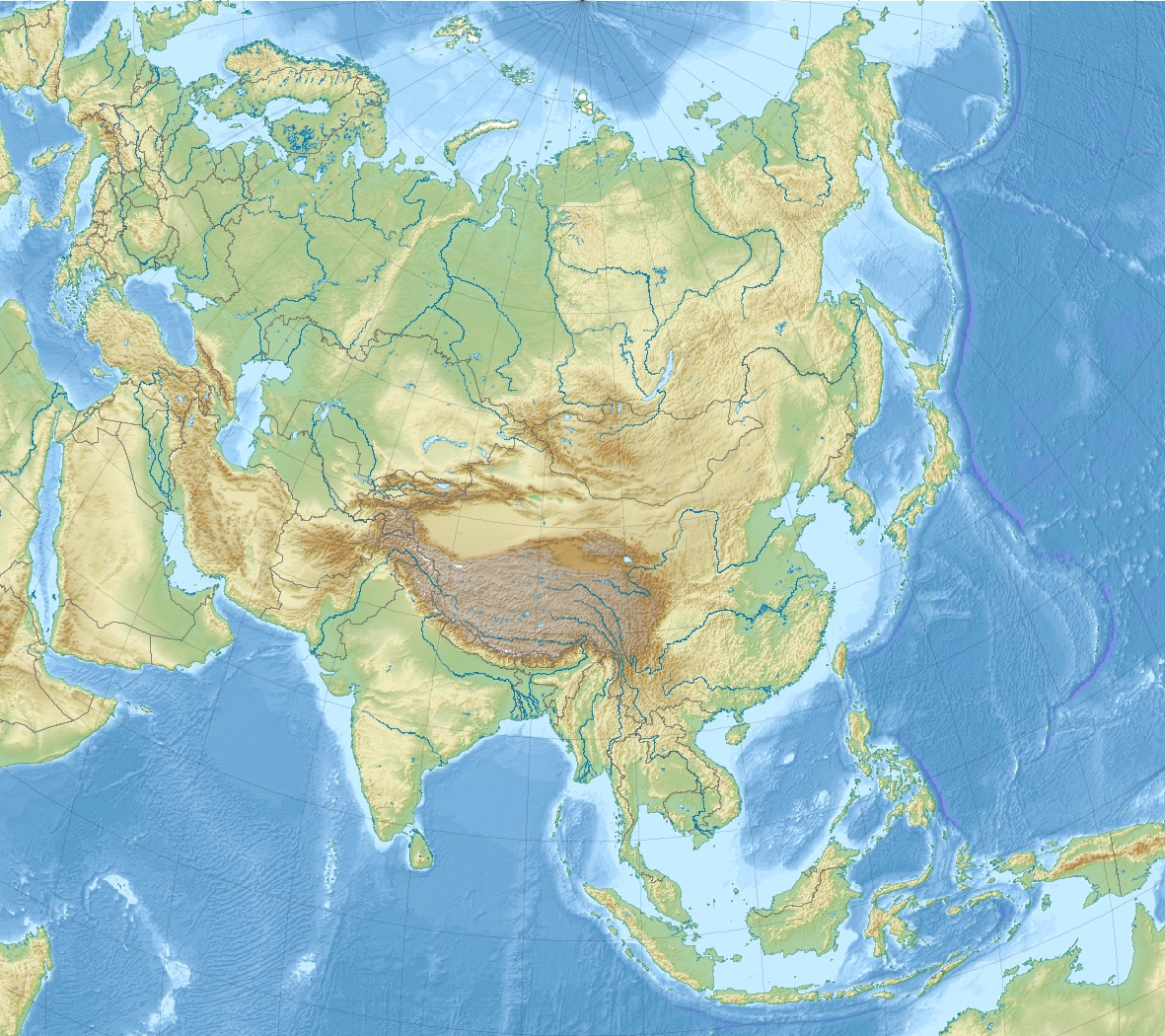
Karbala (Arabic: كربلاء; transliterated Al Karbala) is a city in central Iraq. It serves as the administrative center of Karbala Governorate and lies roughly 100 km southwest of Baghdad. The city occupies a prominent place in the religious geography of the region and is widely regarded by Twelver Shia Muslims as one of their holiest sites, alongside Mecca and Medina, Jerusalem, and An Najaf.
Image gallery
10 Images




Religious significance
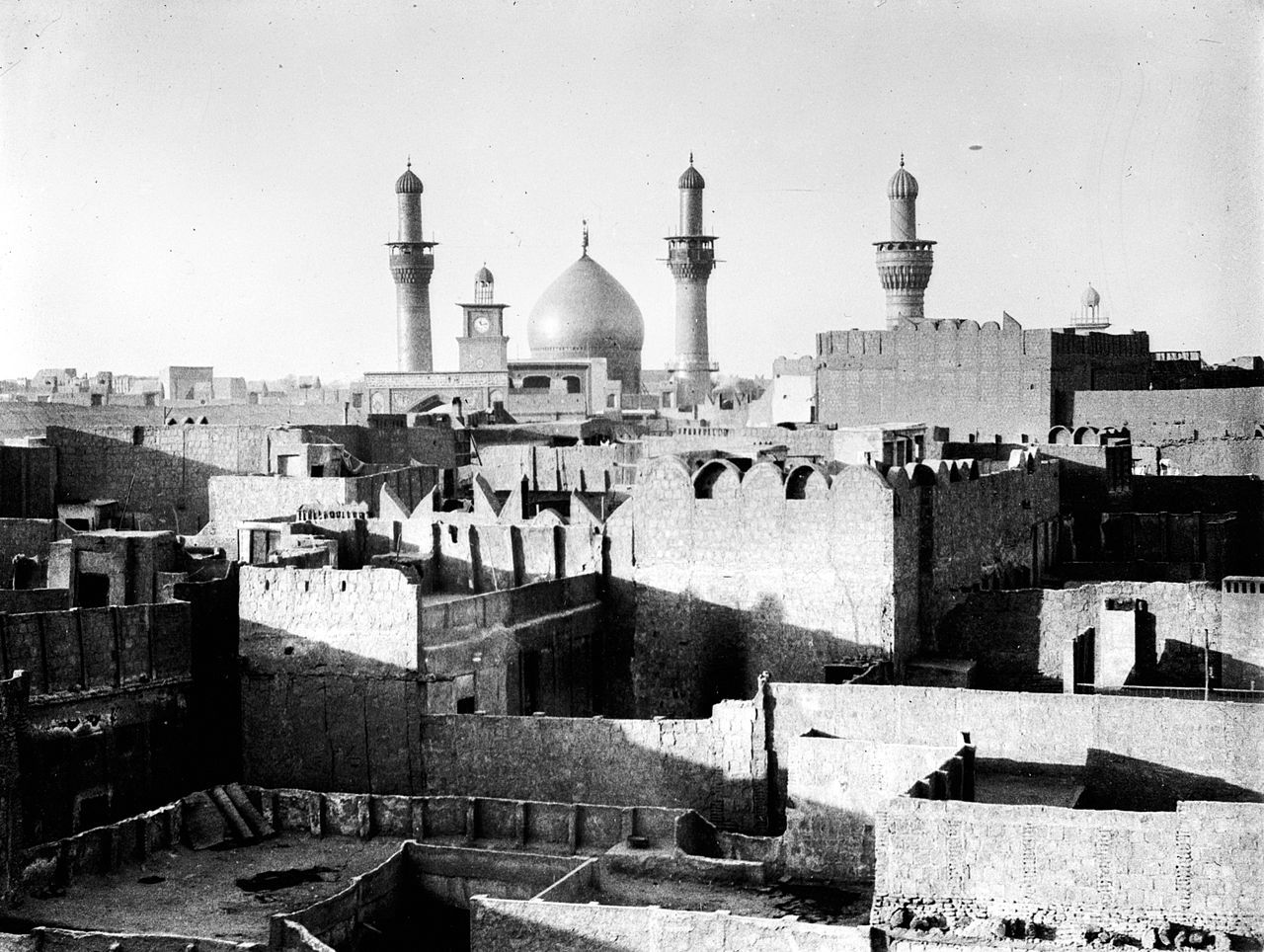
Karbala is best known as the location of the Battle of Karbala (680 CE) and the martyrdom of Husayn ibn Ali, the grandson of the Prophet Muhammad. The tomb of Husayn, housed within the Imam Husayn Shrine, and the nearby grave of his half-brother, Abbas, make the city a focal point for mourning rituals, devotional practices, and annual commemorations. These events shape Shia identity and devotional calendars across the Muslim world.
Pilgrimage and rituals
Two of the most important observances tied to Karbala are the day of Ashura and the forty-day mourning period culminating in Arba'een. Ashura marks the anniversary of Husayn's death and is observed with processions, reenactments, and public expressions of grief. Arba'een, forty days later, draws large numbers of pilgrims who travel on foot to visit the shrines. These pilgrimages are among the largest regular religious gatherings globally and have a major cultural and logistical impact on the city.
History and development
The city's prominence grew after the events of the 7th century and over time it became a center for religious scholarship, architecture, and custodianship of the shrines. Karbala's historical role has been shaped by its pilgrims, the endowments that funded its religious complexes, and its position within successive regional polities. Modern Karbala combines historic sacred precincts with urban neighborhoods, marketplaces, and infrastructure to support recurrent pilgrimage seasons.
Notable sites and contemporary life
- Imam Husayn Shrine and its courtyards and minarets
- Al-Abbas Shrine, a short distance from Husayn's tomb
- Religious schools, libraries, and ritual routes used by pilgrims
Although the city’s religious role dominates its identity, Karbala also functions as a living urban center in Iraq, with local commerce, services, and periodic infrastructure improvements to accommodate visitors. The site is frequently mentioned in historical and contemporary accounts of Shia devotion and remains central to discussions about memory, martyrdom, and communal practice.
For more detailed mapping, histories, and visitor information see general references on the city and region: Karbala overview.
Related articles
Author
AlegsaOnline.com Karbala: Sacred City and Pilgrimage Center in Iraq Leandro Alegsa
URL: https://en.alegsaonline.com/art/52284