
Maya pyramids: stepped temple-pyramids of Mesoamerica
Stepped stone pyramids built by the Maya between c. 200–900 CE. They functioned as temples, tombs, observatories and civic landmarks, distinguished by flat summits, stairways, and ritual architecture.
Overview
The term "Maya pyramids" refers to the large, stepped stone structures erected by Maya communities across what is now southern Mexico, Guatemala, Belize and western Honduras. These monuments date mainly to the Classic period of Maya civilization (roughly 200–900 CE) and combine the functions of ceremonial temple, political symbol and sometimes funerary complex. Their silhouettes—tiered platforms rising above jungle canopy or plaza lines—are among the most recognizable features of Maya urban centers.
Image gallery
8 Images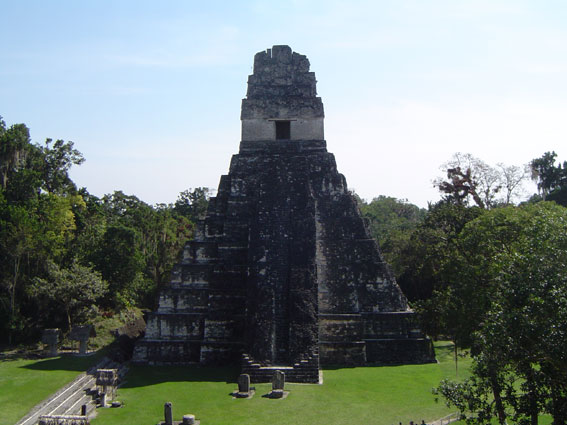




Design and characteristic elements
Maya pyramids are commonly characterized by a broad, plinth-like base supporting one or more stepped terraces, a wide staircase or multiple stairways on one or more faces, and a relatively flat summit that often carries a temple, shrine or roof comb. Construction techniques used local limestone, cut stone masonry, rubble cores and lime-based mortars; many surfaces were finished with stucco and painted. Interior spaces can include corridors, vaults and burial chambers sealed beneath or within the structure.
- Stepped profile: terraces or platforms that create a staircase effect.
- Flat summit: designed to hold a temple or ritual area rather than to produce a pointed capstone.
- Decorative elements: roof combs, sculptures, glyphic inscriptions and painted facades.
History and cultural role
Pyramids developed over centuries from earlier platform mounds and civic-ceremonial plazas. As Maya polities grew in size and complexity, rulers and priestly elites commissioned monumental architecture to assert authority, perform public rites and anchor calendrical and cosmological meaning in the built environment. Many pyramids are aligned or oriented with respect to cardinal points, visible landscape features and celestial events, reflecting the Maya interest in astronomy and ritual timing.
Functions and notable examples
Maya pyramids served several overlapping functions: they provided elevated stages for rituals and processions, housed temples and cult images, contained royal burials in some cases, and acted as orientation markers in dense forest terrain. Famous examples include the stepped temple often called El Castillo at Chichén Itzá, Temple I (the "Temple of the Great Jaguar") at Tikal, and the Pyramid of the Magician at Uxmal. Some tombs discovered within pyramids, such as the burial of the ruler commonly known as Pakal at Palenque, contain rich funerary goods and carved inscriptions that inform modern understanding of Maya history.
Distinctive comparisons and notable facts
Unlike the smooth-sided, pointed pyramids of ancient Egypt, most Maya pyramids have stepped profiles and flat summits intended for temples and rites. They are often integrated into broader urban plans of plazas, ballcourts and royal palaces. In the dense forests of Mesoamerica these tall platforms functioned as visual beacons. Certain pyramids also incorporate deliberate astronomical alignments; for example, some viewers note light-and-shadow patterns on the staircases at equinox-related dates. Archaeological study continues to refine chronology, function and regional variation across the many sites where these monuments stand.
For further context on regional settings and archaeological interpretation, see research introductions and site reports linked through regional overviews: Central American lowlands, Mesoamerican chronology and comparative discussions with other ancient pyramid traditions in world archaeology.
Related articles
Author
AlegsaOnline.com Maya pyramids: stepped temple-pyramids of Mesoamerica Leandro Alegsa
URL: https://en.alegsaonline.com/art/63096