
Dalmatia — Region of the Adriatic Coast
Dalmatia is a historical and geographical region on the eastern Adriatic coast, mostly in Croatia, noted for its rocky shoreline, island archipelagos, Mediterranean climate, rich cultural history and tourism.
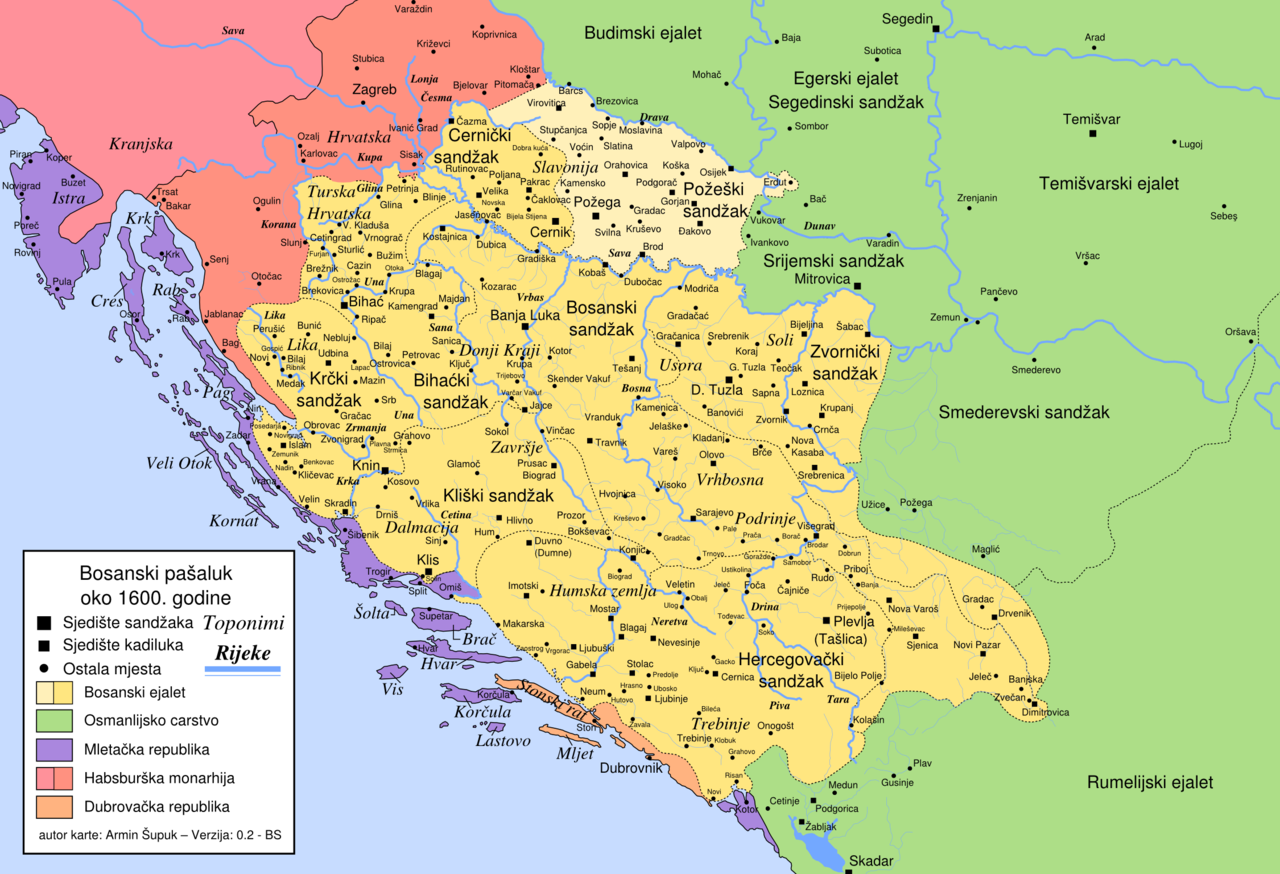
Dalmatia is a coastal region on the eastern edge of the Balkan Peninsula facing the Adriatic Sea. Today most of the territory lies within Croatia, but its historical extent runs from the island of Pag in the northwest down to the Bay of Kotor in the southeast, which reaches into present-day Montenegro. The name Dalmatia is used for both a historical province and for a modern cultural-geographic region along the coast.
Image gallery
10 Images




Geography and environment
The landscape is dominated by a long, indented coastline and numerous islands. A karst hinterland rises quickly from the shore, producing steep cliffs, narrow valleys and limestone plateaus. The climate is Mediterranean: hot, dry summers and mild, wetter winters along the coast. Island groups and sheltered bays create a varied marine environment important for fisheries and navigation.
- Major urban centers associated with the region include Split, Zadar and Šibenik.
- Prominent island names include Pag, Brač, Hvar and Korčula.
- Coastal and marine features range from sandy coves to rocky promontories and archipelagos.
History and cultural significance
Dalmatia has a layered history: it was inhabited by Illyrian tribes in antiquity, later incorporated into the Roman world as a province, and subsequently influenced by medieval Croatian states, the Venetian Republic and Habsburg rule. This mix shaped local architecture, law, dialects and maritime traditions. Traditional a cappella singing (klapa), distinctive stone towns and long-standing seafaring skills contribute to its cultural identity.
Economy and notable features
The modern economy relies heavily on tourism, drawn by historical towns, beaches and island resorts, alongside fishing, olive oil and wine production, and shipbuilding in larger ports. Several sites within Dalmatia are recognized for their cultural value, with historic centers and ancient monuments attracting international visitors and scholarly interest.
Notable distinctions include a string of protected natural areas and UNESCO-listed monuments such as ancient palaces and fortified old towns. Conservation of coastal ecosystems and the balance between seasonal tourism and local livelihoods remain key challenges for the region's future development.
Related articles
Author
AlegsaOnline.com Dalmatia — Region of the Adriatic Coast Leandro Alegsa
URL: https://en.alegsaonline.com/art/25228