
Aswan — City on the Nile in southern Egypt
Aswan is a southern Egyptian city and governorate capital on the Nile, noted for its desert climate, Nubian culture, Pharaonic and Greco-Roman antiquities, and the major Aswan dams.
Overview
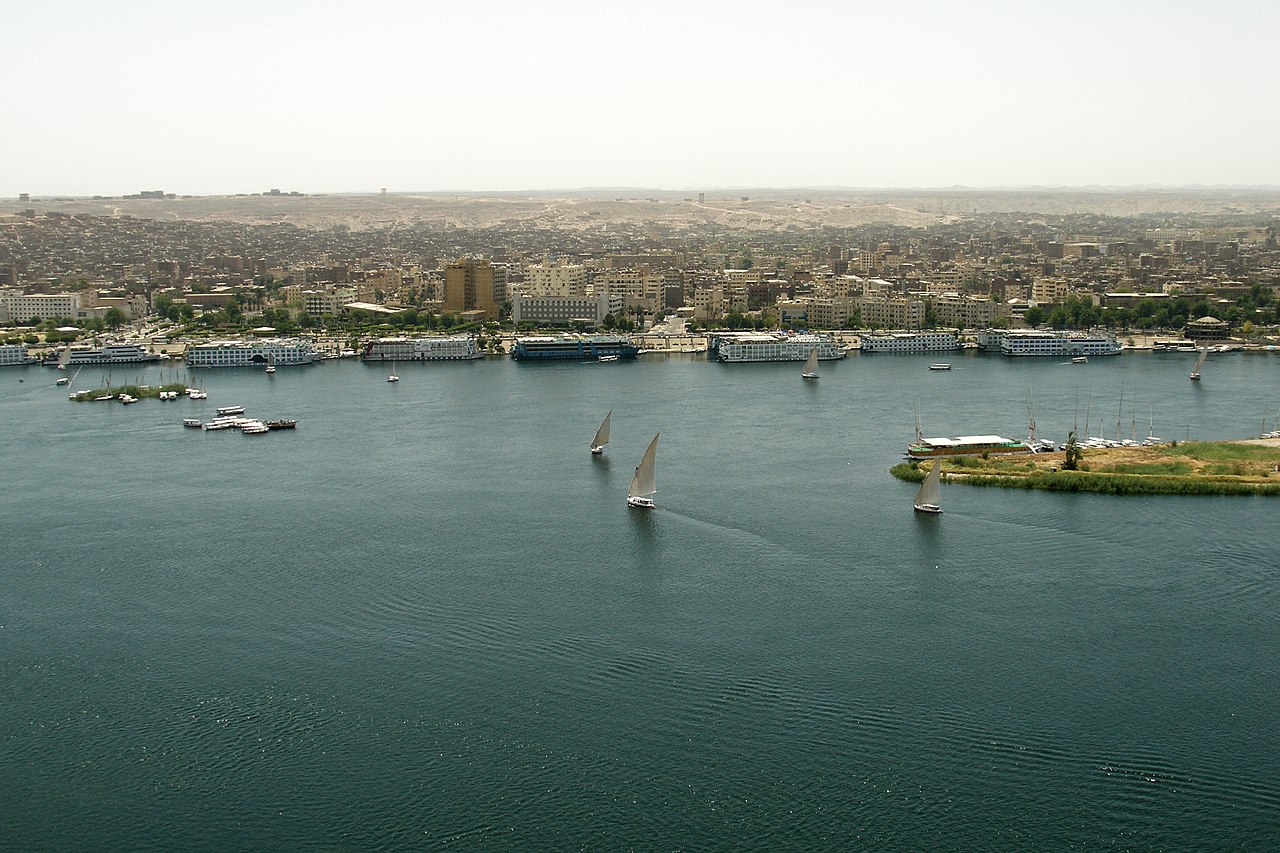
Aswan is a major city in southern Egypt, serving as the administrative center of the Aswan Governorate. It lies on the east bank of the Nile and functions as a regional market, transport hub and tourist gateway to archaeological sites and islands in the river. The city and its surroundings combine modern settlements, agricultural islands and traditional Nubian villages.
Image gallery
10 Images




Geography and climate
Aswan sits in one of the driest inhabited parts of the world. Summers are extremely hot and winters are mild, with very little annual precipitation. The persistence of arid conditions shapes local architecture, water management and agriculture. For those interested in meteorological records and historical rainfall patterns, see climate records and specific rainfall events.
History and development
The site has long been important: in antiquity it marked a natural frontier and trade gateway to Nubia and sub-Saharan Africa. Pharaonic quarries for granite and numerous temples and tombs lie in the wider Aswan region. In modern times, the construction of the Aswan Low Dam (early 20th century) and the much larger Aswan High Dam (completed in the 1960s) transformed the local economy by regulating the Nile, increasing electricity generation and altering agricultural patterns.
Cultural and economic significance
Aswan is notable for its cultural mix. A sizeable Nubian population maintains distinct languages, crafts and house-building traditions; in some traditional Nubian houses not all rooms are fully roofed, a feature adapted to climate and social customs. The city supports markets for spices, textiles and handicrafts and is an embarkation point for Nile cruises and tours to nearby archaeological sites.
Notable sites and attractions
- Pharaonic and Greco-Roman temples and quarries on nearby islands and the riverbanks.
- The Aswan High Dam and associated reservoir, which had wide-ranging economic and environmental effects.
- Traditional Nubian villages and cultural centers; see resources on Nubian communities.
- Local markets, botanical gardens on river islands and boat access to remote monuments.
Visitors and scholars alike value Aswan for the contrasts it presents: an ancient landscape reshaped by modern engineering; a living Nubian culture beside cosmopolitan marketplaces; arid desert panoramas bordering the life-giving Nile. The city's role as a transport and tourist center makes it a practical base for exploring Upper Egypt and the archaeology of the Nile valley.
Questions and answers
Q: Where is Aswan located?
A: Aswan is a city located in the south of Egypt.
Q: What is the population of Aswan?
A: Aswan has a population of 200,000.
Q: Which bank of the Nile is Aswan located on?
A: Aswan is located on the east bank of the Nile.
Q: What is Aswan known for?
A: Aswan is known for being a busy market and tourist center.
Q: Is Aswan a dry place to live in?
A: Yes, Aswan is one of the driest places in the world where people live.
Q: When was the last rainfall in Aswan?
A: The last rainfall in Aswan was a thunderstorm on May 13, 2006, as of October 13, 2007.
Q: What is interesting about the roofs of houses in Nubian settlements?
A: In Nubian settlements, the people often do not put a roof over all of the rooms in their houses.
Related articles
Author
AlegsaOnline.com Aswan — City on the Nile in southern Egypt Leandro Alegsa
URL: https://en.alegsaonline.com/art/6864