
Tashkent — Capital and largest city of Uzbekistan
Tashkent is the capital of Uzbekistan and the largest city in Central Asia, with a long history linked to the Silk Road, diverse population, Soviet-era urban planning, and key regional economic and cultural institutions.

Tashkent is the political, economic, and cultural center of modern Uzbekistan and the largest metropolis in Central Asia. The city is known locally as Toshkent in Uzbek and as Ташкент in Russian. It serves as the national capital of Uzbekistan and functions as a hub for government, higher education, and regional transport. Contemporary estimates put its population in the millions, making it the most populous urban area in Central Asia. The city's name is often explained as meaning "Stone City" in translation (Tash = stone, kent = city).
Image gallery
10 Images


Geography and urban character
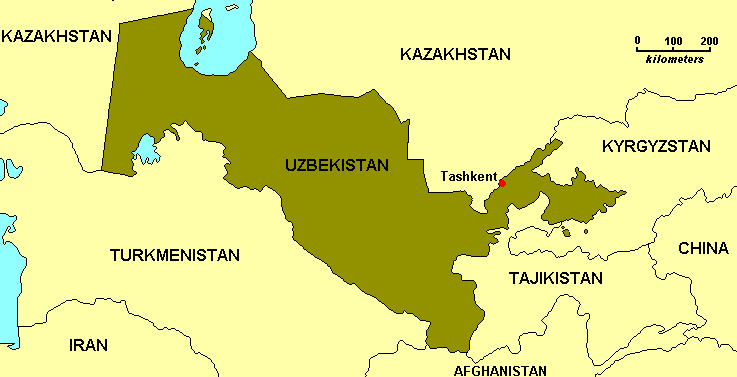
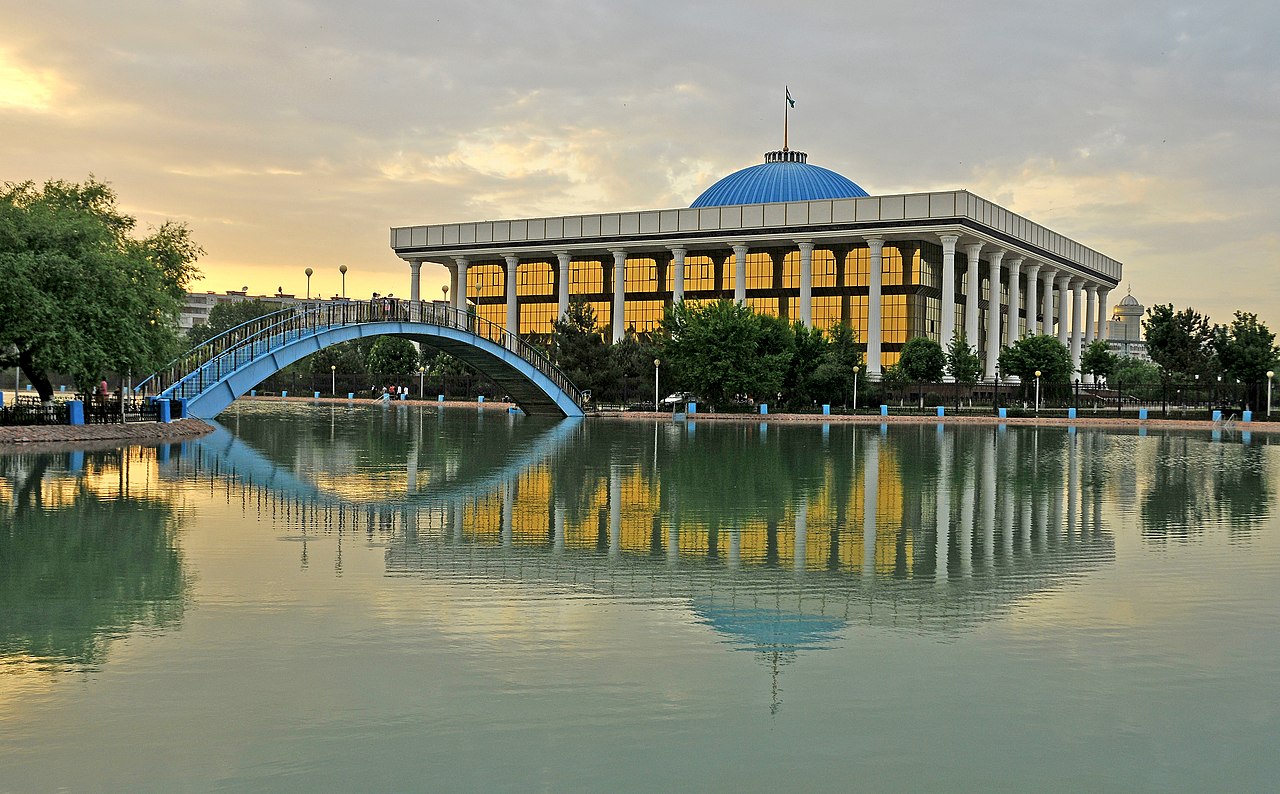
Tashkent lies in the eastern part of Uzbekistan, near the foothills of the Tien Shan mountains and along several rivers and irrigation canals. Its layout combines an older historic core of bazaars and mosques with broad Soviet-era avenues, government districts, and newer residential neighborhoods. Parks, squares, and a metro system are notable features of its urban fabric. The city contains administrative districts that host ministries, universities, and cultural institutions, making it a focal point for national administration and services.
Historical development
The site of Tashkent has been inhabited for millennia and became prominent as a stop on the Silk Road, connecting trade routes between East and West. It suffered major upheavals over the centuries, including destruction during the Mongol invasions led by Genghis Khan in the 13th century. In the 19th century the city came under the control of the Russian Empire and later grew as the administrative center of Russian Turkestan. During the 20th century, under the Soviet Union, Tashkent expanded rapidly, receiving industrial investment, planned housing, and new infrastructure, which reshaped its population and skyline.
Population, culture and languages
Modern Tashkent is ethnically diverse. A majority are ethnic Uzbeks, while significant minorities include Russians and other groups such as Tatars, Koreans, Tajiks, and others. Uzbek and Russian are widely used in public life, education, and business, and the city hosts museums, theatres, and universities that reflect both Turkic and Soviet cultural influences. Religious sites, academic institutions, and contemporary art venues contribute to a vibrant civic life.
Economy, transport and landmarks
Tashkent is a commercial and industrial center with sectors ranging from manufacturing to finance and services. It is a transport hub with an international airport, major railway connections, and an urban metro system noted for some ornately decorated stations. Important landmarks and public spaces include historic markets, administrative squares, museums, and modern cultural complexes.
- Major transport links: international airport and central rail terminals.
- Cultural sites: museums, opera house, and historic madrassas in preserved districts.
- Public spaces: parks, monuments, and pedestrian boulevards developed in the 20th century.
Notable facts and distinctions
Tashkent stands out for its layered history—from ancient Silk Road trading post to imperial and Soviet administrative center—and for its role as Uzbekistan's center of government and education. Reconstruction after natural disasters and deliberate urban planning in the Soviet period created a cityscape where historic bazaars and religious architecture coexist with broad avenues, apartment blocks, and modern public infrastructure. For travelers and scholars alike, Tashkent provides an accessible introduction to Central Asian history, language diversity, and contemporary urban development.
For further reading and official information, consult resources provided by municipal and national cultural institutions and international overviews of the region: local language sources, Russian-language materials, and administrative portals and national guides (Uzbekistan, central Asia pages at regional overviews). Additional context is available in historical surveys referencing the Silk Road, Mongol conquests (Genghis Khan), and the city's integration into the Russian Empire and the Soviet Union. Demographic and cultural notes are summarized in sources addressing ethnic groups such as Uzbeks and Tatars.
Related articles
Author
AlegsaOnline.com Tashkent — Capital and largest city of Uzbekistan Leandro Alegsa
URL: https://en.alegsaonline.com/art/96466
Sources
- tashkent.uz : "Official website portal of Tashkent City"
- fergananews.com : "Юбилей Ташкента. Такое бывает только раз в 2200 лет"
- expatify.com : "Exploring the Cities of Uzbekistan"
- books.google.co.uk : A Spy's Wife: The Moscow Memoirs of a Canadian who Witnessed the End of the Cold War
- tashkent-travel.com : "Tashkent weather forecast"
- meteo.uz : "Climate Data for Tashkent"
- centralasia-travel.com : "Медресе Кукельдаш"
- worldcat.org : Uzbekistan : the golden road to Samarkand