
Wilhelm Keitel: German field marshal and head of the Oberkommando der Wehrmacht
Wilhelm Keitel (1882–1946) was a German field marshal who led the Oberkommando der Wehrmacht under Hitler. Convicted at Nuremberg for war crimes, this article covers his career, role, trial and legacy.
Wilhelm Bodewin Johann Gustav Keitel (22 September 1882 – 16 October 1946) was a senior German officer who rose to lead the Oberkommando der Wehrmacht (OKW), the high command of the German armed forces, during the Nazi period. He served in the Imperial German Army before and during the First World War, remained in the interwar Reichswehr, and became one of Adolf Hitler's principal military administrators after 1938. Keitel is widely remembered for his close collaboration with the Nazi leadership, his administrative role in wartime directives, and for being among the senior defendants at the Nuremberg Trials, where he was convicted of war crimes and executed.
Image gallery
8 Images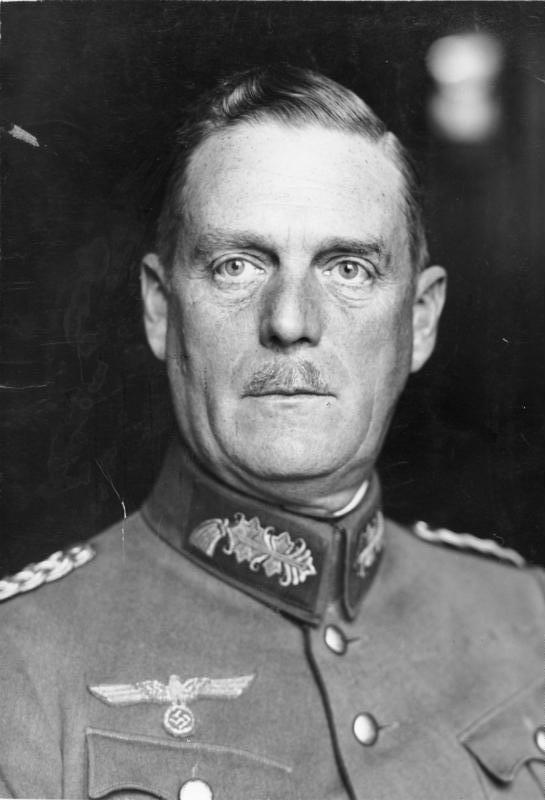


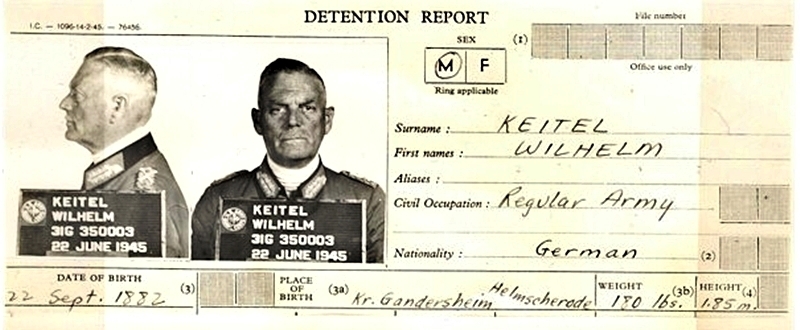
Early life and career
Keitel was born in Helmscherode in the Duchy of Brunswick and entered military service in the early 20th century. He saw action on the Western Front in World War I and continued his career in the downsized Reichswehr after Germany's defeat. During the Weimar Republic years he developed a reputation as a professional staff officer and legalistic administrator. His experience in staff and planning roles positioned him for higher command responsibility as the German armed forces were rebuilt in the 1930s.
Role in Nazi Germany and the OKW
In 1938 Keitel was appointed chief of the OKW, placing him at the center of coordination between Germany's army, navy and air force. The OKW was responsible for overarching military administration and for issuing orders from Hitler to subordinate commands. In practice Keitel acted as a conduit of Hitler's strategic decisions and often provided formal authorization for operational directives and policies issued in occupied territories. Historians commonly describe his leadership style as deferential to the dictator; contemporaries and later analysts have noted that he frequently emphasized obedience and legal formality rather than independent strategic initiative.
Actions, responsibilities and wartime directives
Under Keitel's leadership the OKW issued and disseminated a number of directives and orders that governed occupation policies and military conduct. Some of those directives were later judged by the international tribunal at Nuremberg to have supported or facilitated unlawful actions, including reprisals against civilians, mistreatment of prisoners and policies that led to widespread abuses in occupied areas. Keitel's role as the senior officer who signed or transmitted such orders formed a major part of the legal case against him after the war.
Nuremberg Trial, conviction and legacy
After Germany's surrender in 1945, Keitel was arrested, tried before the International Military Tribunal at Nuremberg and convicted of crimes against peace, war crimes and crimes against humanity. The court found that as senior military head he took part in planning and executing aggressive war and in issuing orders that violated laws and customs of war. He was sentenced to death and executed on 16 October 1946. The trial and verdict remain key reference points in studies of command responsibility, obedience, and the prosecution of state leaders for international crimes.
Characteristics, assessment and cultural references
- Administrative officer: Keitel was long viewed as a staff organizer and bureaucrat more than an independent strategic commander.
- Relationship with Hitler: He was a close institutional ally of the Nazi leadership and frequently acted to translate Hitler's decisions into written orders.
- Historical assessment: Scholars debate degrees of personal initiative versus subordination, but broadly accept his legal and factual responsibility for implementing criminal orders.
- In popular culture: Keitel has been depicted in films and literature that examine the final days of the Third Reich and the moral questions of military obedience.
References and related links
- LINK_1
- LINK_2
- LINK_3
- LINK_4
- LINK_5
- LINK_6
- LINK_7
- LINK_8
- LINK_9
- LINK_10
- LINK_11
- LINK_12
- LINK_13
- LINK_14
- LINK_15
- LINK_16
- LINK_17
- LINK_18
- LINK_19
- LINK_20
- LINK_21
- LINK_22
- LINK_23
- LINK_24
- LINK_25
- LINK_26
- LINK_27
- LINK_28
- LINK_29
- LINK_30
- LINK_31
- LINK_32
- LINK_33
- LINK_34
- LINK_35
- LINK_36
- LINK_37
- LINK_38
- LINK_39
- LINK_40
- LINK_41
- LINK_42
- LINK_43
- LINK_44
- LINK_45
- LINK_46
- LINK_47
- LINK_48
- LINK_49
Related articles
Author
AlegsaOnline.com Wilhelm Keitel: German field marshal and head of the Oberkommando der Wehrmacht Leandro Alegsa
URL: https://en.alegsaonline.com/art/108124