
Austria-Hungary (Austro-Hungarian Empire): history, structure and legacy
Multiethnic dual monarchy in Central Europe (1867–1918). Formed by the Compromise of 1867, it combined Austria and Hungary under one monarch, modernized economically, and dissolved after World War I.
Overview
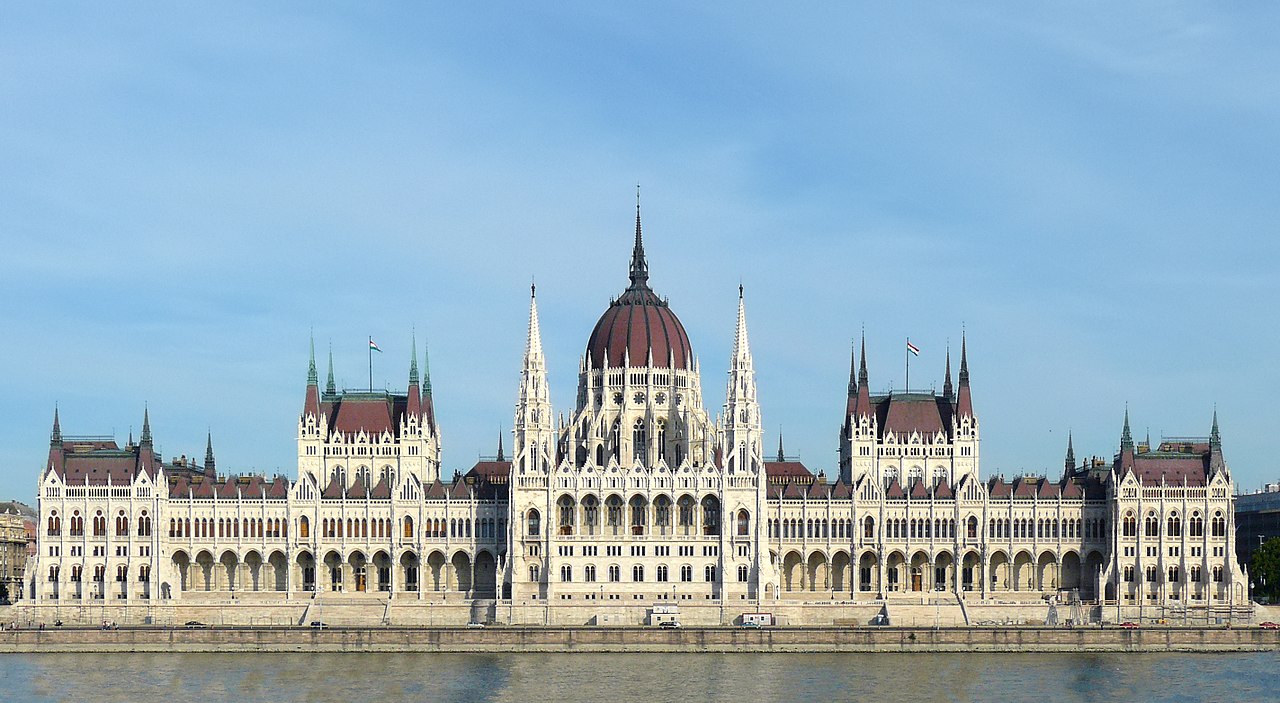
The Austro-Hungarian Empire, commonly called Austria-Hungary, was a dual monarchy in Central Europe that existed from 1867 to 1918. Established by the Compromise of 1867, it brought together the territories of Austria and Hungary under a single sovereign: the emperor of Austria who also reigned as king of Hungary (the monarch). The arrangement is often described as a dual monarchy. Geographical references and maps commonly note its central position on the continent; for a coordinate reference see coordinates.
Image gallery
10 Images


Political structure and institutions
The dual state rested on a delicate legal and administrative balance after the end of the earlier Austrian Empire. The 1867 agreement, known as the Compromise, recognized the ruling Habsburg dynasty as sovereign over both halves while granting the Kingdom of Hungary substantial internal autonomy. Austria-Hungary functioned as an empire with three shared ministries—foreign affairs, defense and a common finance office for joint expenditures—while most other matters were handled by the two separate governments (commonly referred to as Cisleithania and Transleithania in later usage).
Population, nationalities and tensions
Austria-Hungary was a multiethnic state composed of numerous language and cultural communities. It included Germans, Hungarians (Magyars), Czechs, Poles, Ukrainians (Ruthenians), Romanians, Croats, Serbs, Slovenes and Italians among others. These ethnic groups produced a complex political landscape as the empire sought to balance regional autonomy, representation and central authority. Classified by contemporaries and later historians as a great power, its internal politics were often marked by heated debates and arguments over language rights, electoral reform and territorial administration. Eleven principal national communities are frequently cited in accounts of its demographic makeup; these are sometimes grouped as the main national groups of the realm.
Economy, society and modernization
The late 19th and early 20th centuries brought industrial growth, expanding rail networks and urbanization. Economic development varied by region: the Austrian half contained large industrial centers and administrative headquarters, while parts of Hungary and the eastern lands remained more agricultural. Economic policies and investments stimulated trade and migration within the empire and beyond; historians emphasize both technological progress and uneven development when assessing its economic record. On matters affecting both halves—most notably foreign relations and military affairs—the common institutions sought to present a united international position.
Decline, war and dissolution
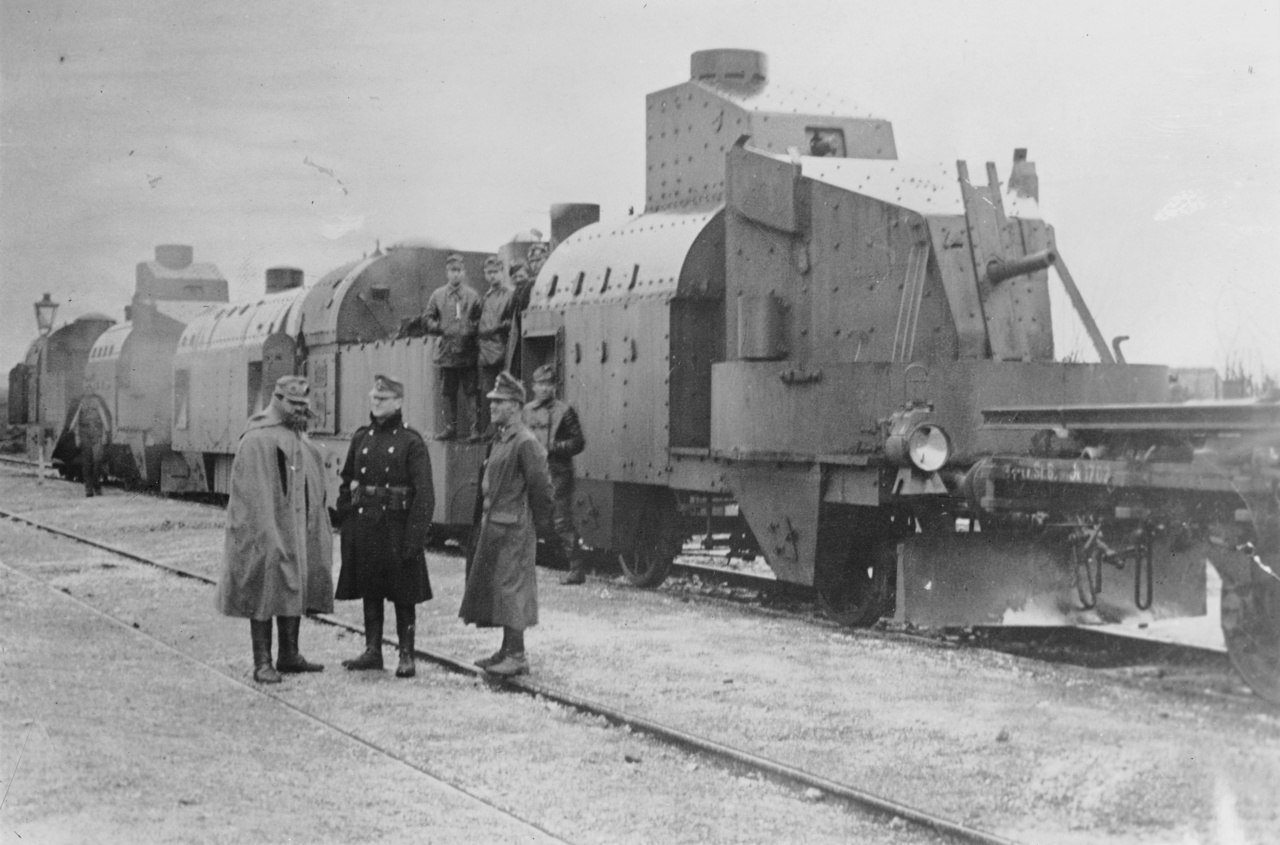
Austria-Hungary's multinational character and external pressures contributed to mounting tensions as nationalism spread across Europe. The assassination in Sarajevo in 1914 of the heir to the throne precipitated a crisis that evolved into World War I; the empire fought alongside the Central Powers. After four years of war, economic strain, military defeat and internal unrest led to the collapse of imperial authority. By late 1918 the empire had effectively disintegrated into successor states and territories, and the Habsburg monarchy ceased to rule.
Size, legacy and successor states
At its height the empire covered a large portion of Central and Eastern Europe; contemporaneous rankings placed it second in territorial extent after the Russian Empire and third by population behind Russia and the German Empire. Its dissolution produced new nations—most notably Austria, Hungary, Czechoslovakia and the Kingdom of Serbs, Croats and Slovenes (later Yugoslavia)—and transferred territories to Romania, Italy and Poland. The legal forms, administrative reforms and cultural exchanges of Austria-Hungary left durable marks on the region's institutions, languages and urban life.
- Capitals: Vienna and Budapest.
- Government: shared monarch with separate Austrian and Hungarian parliaments.
- Period: 1867–1918, formed by compromise and ended after World War I.
For concise entries and maps consult general reference works and regional histories that cover Central Europe in the 19th and early 20th centuries.
Questions and answers
Q: What was the full name of the Austro-Hungarian Empire?
A: The full name of the empire was "The Kingdoms and Lands Represented in the Imperial Council and the Lands of the Crown of St. Stephen".
Q: When did Austria-Hungary exist?
A: Austria-Hungary existed from 1867 to 1918.
Q: How was Austria-Hungary governed?
A: Austria-Hungary was governed by a single monarch, with the Habsburg dynasty ruling as emperors of Austria over the western and northern half of the country and as kings of Hungary over the Kingdom of Hungary. The Kingdom of Hungary had some ability to govern itself, mainly in foreign relations and defense.
Q: What were its two capital cities?
A: The two capital cities were Vienna in Austria and Budapest in Hungary.
Q: What ethnic groups made up Austria-Hungary?
A: Austria-Hungary was an empire made up of many different ethnic groups.
Q: What type of reforms took place during this period?
A: During this period, there were many liberal and democratic reforms that took place.
Q: How large was it compared to other countries in Europe at that time?
A: At that time, it was second largest country in Europe (after Russia) with third most people (after Russia and Germany).
Related articles
Author
AlegsaOnline.com Austria-Hungary (Austro-Hungarian Empire): history, structure and legacy Leandro Alegsa
URL: https://en.alegsaonline.com/art/7533
Sources
- wien-vienna.com : "Austro-Hungarian Empire k.u.k. Monarchy dual-monarchic Habsburg Emperors of Austria" · web.archive.org
- books.google.com : The Essentials of Geography for School Year 1888–1889, p. 47
- gutenberg.org : Encyclopaedia Britannica, 11th Edition, "Austria, Lower" to "Bacon" Volume 3, Part 1, Slice 1 · web.archive.org
- oxfordbibliographies.com : "Austro-Hungarian Empire, 1867-1918"
- firstworldwar.com : "First World War.com - Primary Documents - Austrian Ultimatum to Serbia, 23 July 1914"