
Joseph Goebbels (1897–1945)
German Nazi politician and Reich Minister of Propaganda (1933–1945), chief organizer of state information and cultural policy under Adolf Hitler; died by suicide in 1945 after a final act of family murder-suicide.
Overview
Paul Joseph Goebbels was a German political leader best known as the Reich Minister of Propaganda during the Nazi era. He was born on 29 October 1897 in Mönchengladbach and died on 1 May 1945 in Berlin. As a German politician he held the formal title of minister responsible for propaganda throughout the period of the Nazi regime. He studied literature and philosophy at the University of Heidelberg, pursuing subjects often described as literature and philosophy in accounts of his early life. Goebbels was a close associate of Adolf Hitler for many years.
Image gallery
10 Images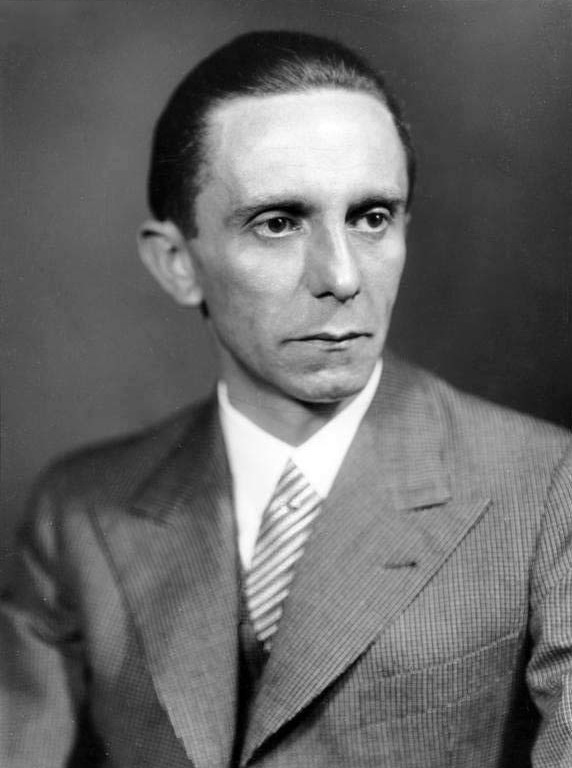


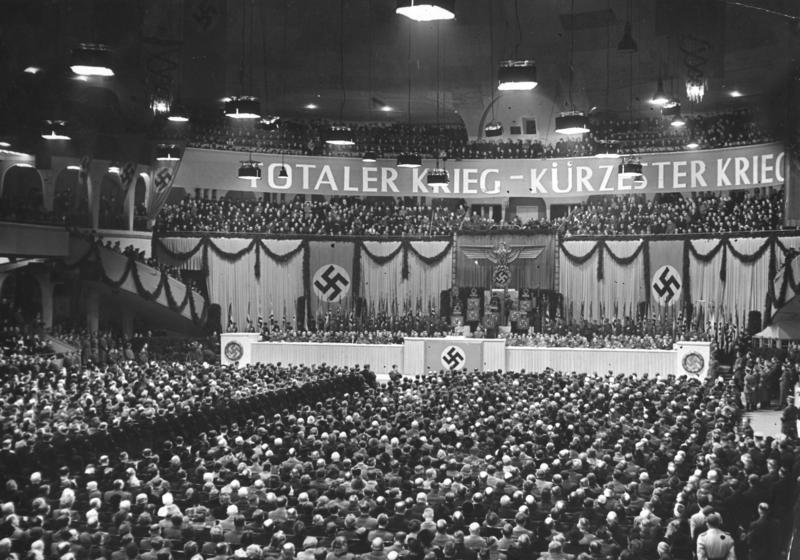

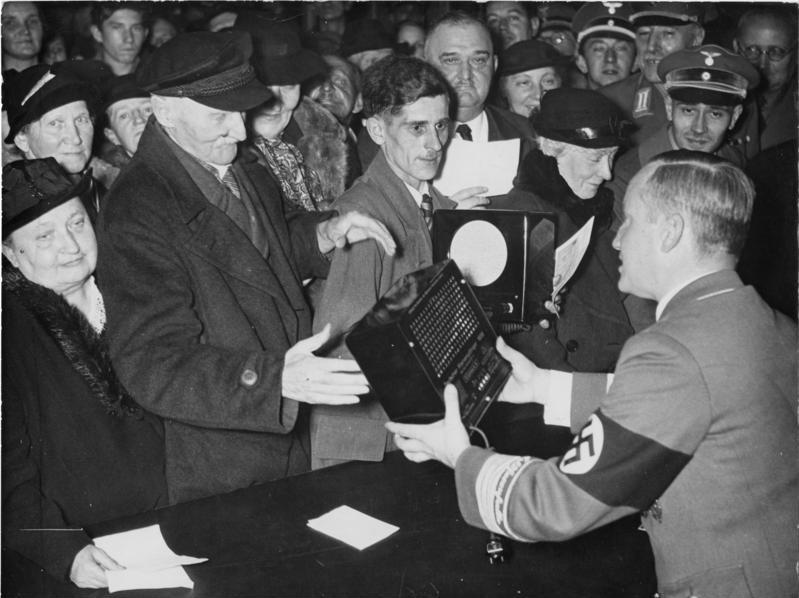
Role and methods
As the head of the state propaganda apparatus, Goebbels centralized control over newspapers, radio, film, theater, literature and visual arts. His office set cultural policy, enforced censorship and produced messaging that promoted the party line. He used modern techniques — including mass rallies, film and radio broadcasts, posters and staged events — to shape public opinion and mobilize popular support. Historians attribute to him a leading role in disseminating antisemitic ideology and in normalizing persecution through repetitive, targeted messaging.
Career and public activity
After completing his academic studies and earning advanced credentials, Goebbels joined the nationalist movement that became the Nazi Party and rose through its organizational ranks to oversee propaganda work at local and national levels. In 1933 he was appointed Reich Minister of Propaganda, a position he retained until the collapse of the regime in 1945. During those years his ministry coordinated cultural production, supervised press accreditation and guided the tone of official communications. He kept extensive personal writings and diaries that later became important primary sources for researchers studying the period.
Influence and legacy
Goebbels' techniques are often examined in studies of mass persuasion and political communication. He is widely regarded as one of the architects of modern, centralized propaganda: his mix of emotional appeals, repetition, scapegoating and controlled media access influenced both contemporary supporters and later scholars. After 1945, his reputation became synonymous with manipulative state propaganda, and his career is regularly cited in discussions of media ethics, authoritarian control and the role of culture in politics.
Final days and death
In the final days of the war Goebbels remained in the underground command in the Führerbunker alongside Hitler. Following Hitler's suicide on 30 April 1945, Hitler's political testament named Goebbels as Chancellor of Germany; he served in that role for a very short period before his own death on 1 May 1945. In the closing episode he and his wife Magda committed suicide. Before their deaths, Magda Goebbels killed the couple's six children; these events are among the most discussed aspects of Goebbels' personal demise in accounts of the regime's end. The one-day chancellorship is noted in records that refer to his appointment as Chancellor of Germany in Hitler's final arrangements.
Notable facts
- Personal studies: He pursued studies commonly described as literature and philosophy at Heidelberg.
- Political role: Served as the regime's chief propagandist and cultural overseer within the Nazi regime.
- Proximity to leadership: A close collaborator of Adolf Hitler, present in the Führerbunker during the regime's final days.
- End of life: Died on 1 May 1945 in Berlin; his final actions and the killing of his children by his wife remain a major focus of studies of Nazi collapse.
This article provides a concise, neutral account of Joseph Goebbels' public career and influence. For more detailed archival and scholarly materials, consult specialized biographies and primary sources.
Questions and answers
Q: Who was Paul Joseph Goebbels?
A: Paul Joseph Goebbels was a German politician and the minister of propaganda during the Nazi regime.
Q: What did Goebbels study at Heidelberg university?
A: Goebbels studied literature and philosophy at Heidelberg university.
Q: Who was Goebbels' close friend?
A: Goebbels' close friend was Adolf Hitler.
Q: Where was Goebbels when Hitler committed suicide?
A: Goebbels was with Hitler in the Führerbunker when Hitler committed suicide on 30 April 1945.
Q: Who was chancellor of Germany for one day after Hitler's death?
A: Goebbels was chancellor of Germany for one day after Hitler's death.
Q: Did Goebbels and his wife survive after Hitler's death?
A: No, Goebbels and his wife, Magda Goebbels killed themselves after Hitler's death.
Q: What did Magda Goebbels do before she died?
A: Just before she died, Magda killed their six children with poison.
Related articles
Author
AlegsaOnline.com Joseph Goebbels (1897–1945) Leandro Alegsa
URL: https://en.alegsaonline.com/art/122918
Sources
- historytimes.com : "Goebbel's biography" · web.archive.org
- jewishvirtuallibrary.org : "Goebbels' life story"
- dhm.de : "The life of Joseph Goebbels"
- dikigoros.t35.com : "A biography of Goebbels"
- library.thinkquest.org : "Dr. Joseph Goebbels" · web.archive.org
- spartacus.schoolnet.co.uk : "Goebbel's biography"
- historylearningsite.co.uk : "Biography of Goebbels"
- Joseph Goebbels