
Hans Frank: Nazi jurist and Governor-General of occupied Poland
Biography of Hans Frank, a German lawyer and senior Nazi official who administered occupied Poland, his role in wartime atrocities, trial at Nuremberg, execution, and later repentance.
Overview
Hans Michael Frank (23 May 1900 – 16 October 1946) was a German lawyer who became a prominent legal official in the National Socialist movement and later the top civilian authority in the part of Poland occupied by Germany during World War II. He played a central administrative role in the so-called General Government and was held responsible at the International Military Tribunal for policies that enabled mass persecution and murder.
Image gallery
9 Images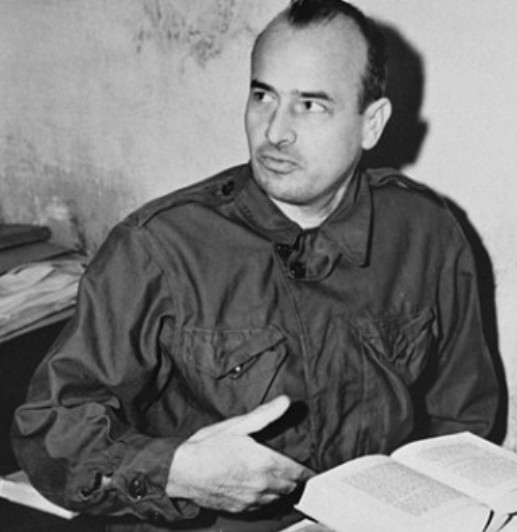



Early life and legal career
Trained as a jurist, Frank established himself as a practicing lawyer and became involved with the emerging Nazi party in the 1920s. He built a reputation within the movement as a legal expert and adviser, rising to prominence by drafting laws, representing party interests in courts, and helping to reshape legal institutions to fit Nazi aims. His legal background gave him influence in translating ideological directives into administrative measures.
Role in occupied Poland
After the invasion of Poland in 1939, Frank was appointed Governor-General of the territory known as the General Government. In that post he oversaw civilian administration, economic exploitation, and security measures imposed on the population. Under his administration, policies of dispossession, forced labor, and segregation were enforced; the General Government became a central area in which the Nazi regime carried out systematic persecution of Jews and other groups. Historians judge his office as complicit in creating conditions that facilitated mass murder.
Prosecution, conviction and death
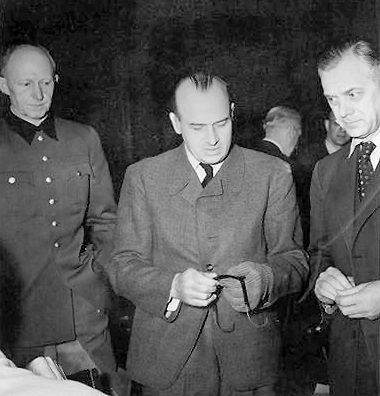
Following Germany’s defeat, Frank was indicted at the Nuremberg trials where prosecutors charged him with directing and enabling atrocities. He was convicted of war crimes and crimes against humanity, sentenced to death, and executed in October 1946. The tribunal’s findings emphasized both his administrative responsibility and the ways legal structures under his oversight were used to legitimize oppression.
Later years, repentance and legacy
While imprisoned before his execution, Frank reportedly expressed remorse and returned to the Catholic Church. His statements and writings from captivity have been examined by scholars for insight into Nazi self-justification, guilt, and the moral reckoning of perpetrators. Today Frank is studied as an example of how legal expertise and bureaucracy can be harnessed to implement state-sponsored crimes.
Key facts and roles
- Born: 23 May 1900; Died: 16 October 1946 (executed).
- Profession: trained jurist and political legal adviser.
- Main office: Governor-General of the General Government (occupied Poland).
- Outcome: convicted at Nuremberg for crimes connected to occupation policies.
For further reading on legal collaborators, occupation administrations, and the Nuremberg process see dedicated historical works and archival collections: legal career sources, party records, administrative histories, and trial documents referenced at verdict summaries and evidence collections. Contemporary discussions of repentance and reconciliation often cite his late-life statements and church return as part of the postwar record (religious context).
Related articles
Author
AlegsaOnline.com Hans Frank: Nazi jurist and Governor-General of occupied Poland Leandro Alegsa
URL: https://en.alegsaonline.com/art/120281