
War crime: definition, legal framework, and historical development
A war crime is a serious violation of the laws of armed conflict. This article explains what constitutes a war crime, legal sources, accountability mechanisms, examples, and distinctions from related crimes.
A war crime is an act committed in the context of armed conflict that violates rules established to limit the effects of warfare. It targets persons or property protected by international law—such as civilians, wounded soldiers, prisoners of war, medical personnel, and cultural sites—or uses prohibited methods or means of warfare. The term covers a range of offenses from unlawful killing and torture to intentionally directing attacks against civilians.
Image gallery
10 Images


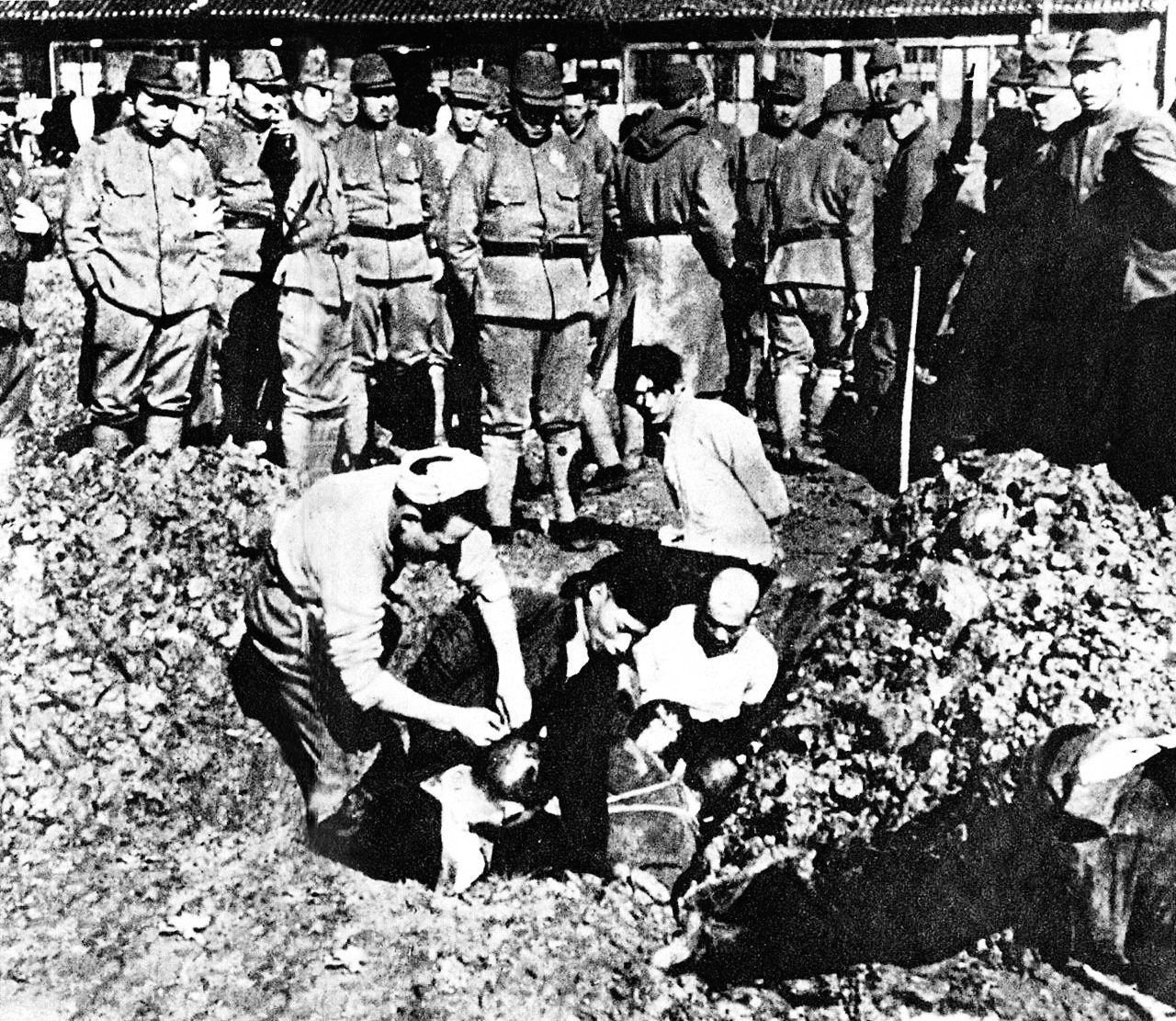
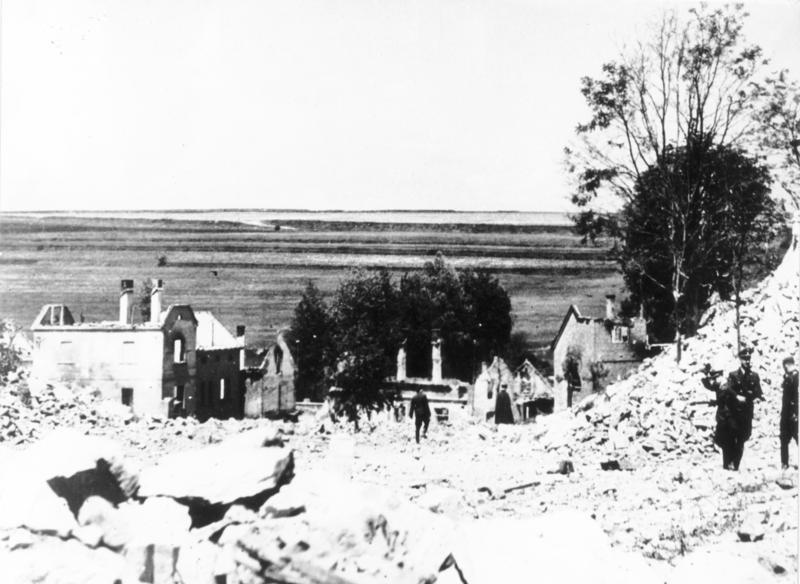



Characteristics and typical examples
War crimes are defined by their context and content: they must occur in an armed conflict and breach binding legal norms. Common categories include:
- Willful killing, torture, or inhuman treatment of protected persons;
- Taking hostages and unlawful deportation or transfer of civilians;
- Deliberate attacks on hospitals, ambulances, or clearly marked medical personnel;
- Indiscriminate or disproportionate attacks and use of prohibited weapons;
- Sexual violence and forced labor committed in the conflict context.
Legal sources and international standards
Rules that identify war crimes derive from several bodies of law, often described collectively as the laws of war. Primary instruments include the Geneva Conventions, which protect wounded and non‑combatants, and the Hague Conventions, which regulate conduct and means of warfare. Modern tribunals and statutes have further clarified specific offenses and modes of responsibility.
Accountability and enforcement
Individuals, including commanders and civilian superiors, can be held criminally responsible for war crimes. Enforcement occurs through national courts, international ad hoc tribunals, and permanent bodies such as the International Criminal Court; other forums and mechanisms have also played prominent roles in prosecution and fact‑finding. Notable efforts to address war crimes followed major conflicts, establishing precedents for individual liability and procedural protections.
History, development, and distinctions
The concept evolved from early nineteenth‑ and twentieth‑century attempts to regulate warfare and was shaped by landmark events and trials that sought to punish grave breaches. It is related to—but distinct from—crimes against humanity and genocide: those categories overlap with war crimes in some situations, but differ by scope, intent, and the circumstances in which they apply. Understanding these distinctions is important for legal classification and for victim protection.
Importance and continuing challenges
Recognizing and prosecuting war crimes serves several aims: protecting non‑combatants, deterring abuses, and reaffirming legal and moral limits in conflict. Practical challenges remain, including gathering evidence in active war zones, securing custody of suspects, and ensuring impartial proceedings. International cooperation, national implementation of treaties, and credible fact‑finding are essential to effective accountability. For further reading, see resources on humanitarian law and international tribunals: international tribunals overview.
Questions and answers
Q: What is a war crime?
A: A war crime is a crime that happens during a war, which breaks the international laws of war.
Q: What do the international laws of war state?
A: The international laws of war state what people can and cannot do during wars.
Q: What are the two international laws that cover war crimes?
A: The two international laws that cover war crimes are the Geneva Conventions and the Hague Convention.
Q: What happens when someone commits a war crime?
A: When someone commits a war crime, they are breaking the international laws of war and may face legal consequences.
Q: Why are there laws for what people can do during wars?
A: There are laws for what people can do during wars in order to protect innocent civilians and minimize unnecessary harm.
Q: What are some examples of war crimes?
A: Some examples of war crimes include intentionally targeting civilians, torture, and forced displacement of civilians.
Q: What is the purpose of the Geneva Conventions and the Hague Convention?
A: The purpose of the Geneva Conventions and the Hague Convention is to establish international laws for regulating warfare and protecting victims of war.
Related articles
Author
AlegsaOnline.com War crime: definition, legal framework, and historical development Leandro Alegsa
URL: https://en.alegsaonline.com/art/106484
Sources
- icc-cpi.int : "What are war crimes?"
- icc-cpi.int : Elements of Crimes
- icrc.org : Law of Armed Conflict: Neutrality
- nytimes.com : "Armenian Genocide of 1915: An Overview"
- news.bbc.co.uk : "Scarred by History: The Rape of Nanjing"
- holocaustresearchproject.org : "Lange, Herbert; SS-Hauptsturmführer"
- readperiodicals.com : "War Crimes in Sicily: Sergeant West, Captain Compton, and the Murder of Prisoners of War in 1943"
- worldcat.org : 0364-1287
- pubmed.ncbi.nlm.nih.gov : 35844
- news.bbc.co.uk : "Murder in the name of war: My Lai"
- usna.edu : Moral Courage In Combat: The My Lai Story
- theguardian.com : "British army 'waterboarded' suspects in 70s"
- guardian.co.uk : "Man granted soldier murder appeal following waterboarding evidence"
- irishtimes.com : "Murder verdict of man sentenced to death quashed"
- theguardian.com : "Army 'waterboarding victim' who spent 17 years in jail is cleared of murder"