
Leopold II of Belgium: king, urban planner, and controversial colonial ruler
Leopold II (1835–1909) reigned as King of the Belgians from 1865. Remembered for large public works in Belgium and for founding the Congo Free State, his rule sparked enduring controversy over colonial abuses.
Overview
Leopold II (Léopold Louis Philippe Marie Victor) was born in Brussels and succeeded his father in 1865, remaining on the throne until his death in 1909. His long reign combined active involvement in Belgium's domestic development with an ambitious—and ultimately infamous—colonial venture in central Africa. He is a figure whose achievements in urban design and statecraft are contested by the human cost associated with his colonial policies.
Image gallery
10 Images




Early life and accession
Born into the Belgian royal family, Leopold was the eldest surviving son of Leopold I and Louise of Orléans. He grew up in a newly established constitutional monarchy and took the throne at a time when Belgium was consolidating its institutions and industrial economy. His birthplace, Brussels, later became the focal point for many of the building projects he championed.
Domestic projects and public image
Domestically, Leopold II promoted large-scale public works: parks, boulevards, monuments and civic buildings. He saw urban transformation and infrastructure as ways to modernize Belgium and to craft a national image. These projects were popular with many contemporaries and helped shape Brussels and other Belgian cities, but they were often funded by revenues from his colonial enterprises rather than solely by public coffers.
The Congo Free State
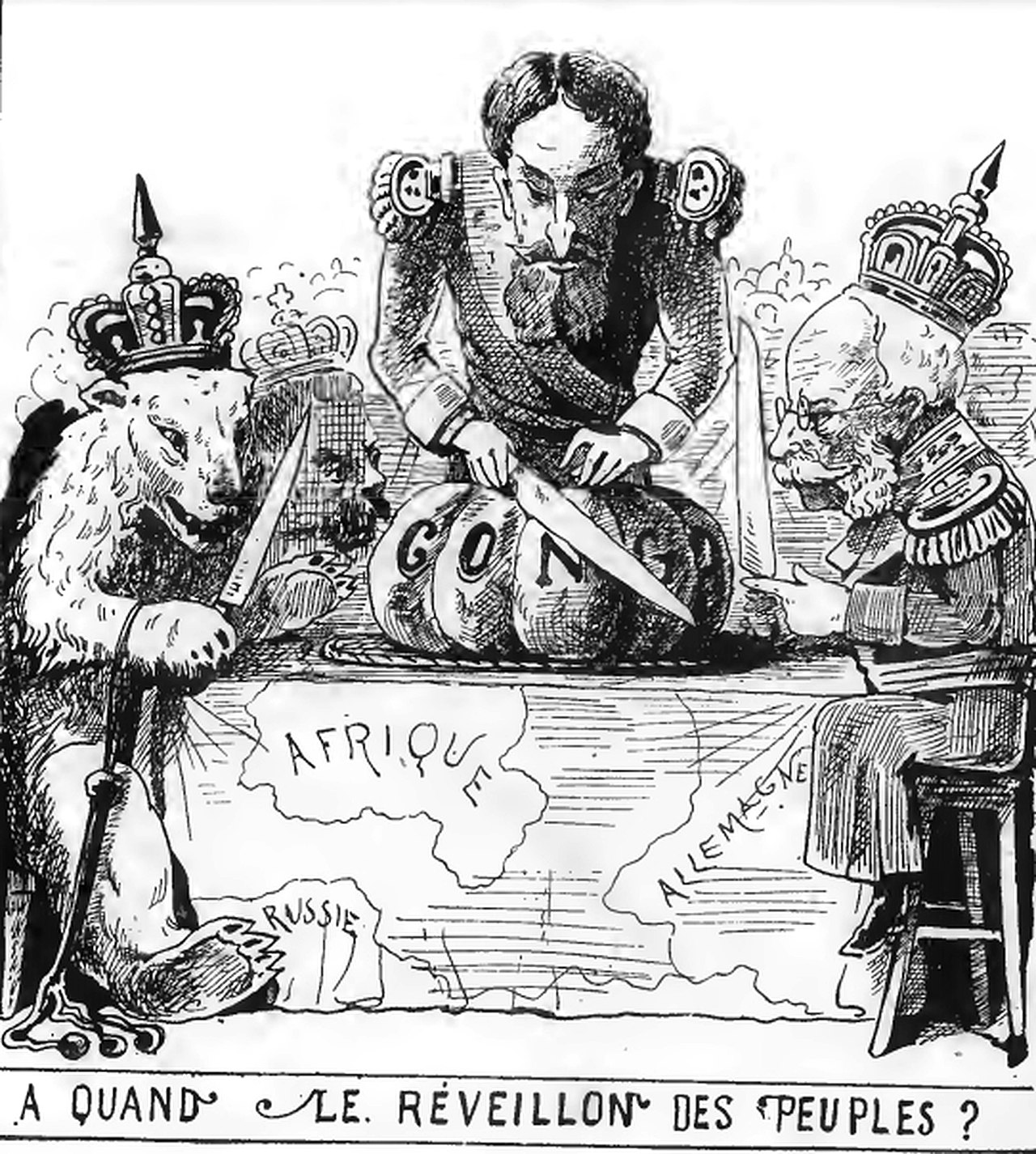
A central and most controversial element of Leopold's legacy is the Congo Free State, which he acquired as a private possession. Established in the late 19th century amid European imperial expansion, the territory was administered under Leopold's personal authority rather than directly by the Belgian state. The extraction of rubber, ivory and other resources relied on systems of forced labor and coercion. Reports from missionaries, travelers and later investigations documented widespread abuses and a substantial loss of life among the Congolese population, provoking international outcry and campaigns for reform.
Transfer and aftermath
Amid growing criticism and political pressure, the Congo Free State was eventually transferred from Leopold's personal control to the Belgian state. This change marked a shift in governance but did not erase the historical consequences of the earlier regime. Debates about responsibility, restitution and historical memory have continued into the present, influencing scholarship, public discussion and commemorative practices.
Personal life and legacy
Leopold's private life—his marriages, family relations and personal expenditures—was intertwined with his public role. While some praise his contribution to Belgian urban development, many scholars and commentators characterize his colonial policies as a grave moral failure. Today Leopold II remains a polarizing historical figure: commemorated in some monuments and civic projects, condemned in others, and central to broader conversations about colonialism, accountability and how societies remember difficult pasts.
Notable aspects
- Long reign (1865–1909) during a period of industrial and imperial expansion.
- Significant urban development projects in Belgium.
- Creator and sole ruler of the Congo Free State, later annexed by Belgium after international criticism.
- Legacy remains contested, balancing civic achievements against documented colonial abuses.
Questions and answers
Q: Who was Leopold II of Belgium?
A: Leopold II was the King of the Belgians.
Q: When was Leopold II born?
A: Leopold II was born on April 9, 1835.
Q: Where was Leopold II born?
A: Leopold II was born in Brussels.
Q: Who were Leopold II's parents?
A: Leopold II's parents were Leopold I and Louise of Orléans.
Q: When did Leopold II succeed his father to the throne?
A: Leopold II succeeded his father to the throne on December 17, 1865.
Q: How long was Leopold II king?
A: Leopold II was king until his death.
Q: When did Leopold II die?
A: Leopold II died on December 17, 1909.
Related articles
Author
AlegsaOnline.com Leopold II of Belgium: king, urban planner, and controversial colonial ruler Leandro Alegsa
URL: https://en.alegsaonline.com/art/124266
Sources
- pages.prodigy.net : pages.prodigy.net