
Downfall (2004 film)
Downfall is a 2004 German historical war drama that depicts Adolf Hitler's final days in the Berlin Führerbunker, noted for Bruno Ganz's performance, historical debate and a widely circulated internet parody scene.
Overview
Downfall (German: Der Untergang) is a 2004 German-language film that dramatizes the last days of Adolf Hitler and his inner circle in the Nazi Führerbunker in Berlin during April–May 1945. Directed by Oliver Hirschbiegel and written from contemporary accounts, the film focuses on the collapse of the Third Reich as the Red Army closes in on the city. It was released in Germany on 16 September 2004 and attracted wide international attention for its performances and subject matter.
Image gallery
6 Images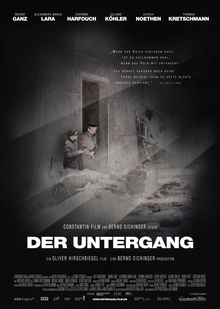

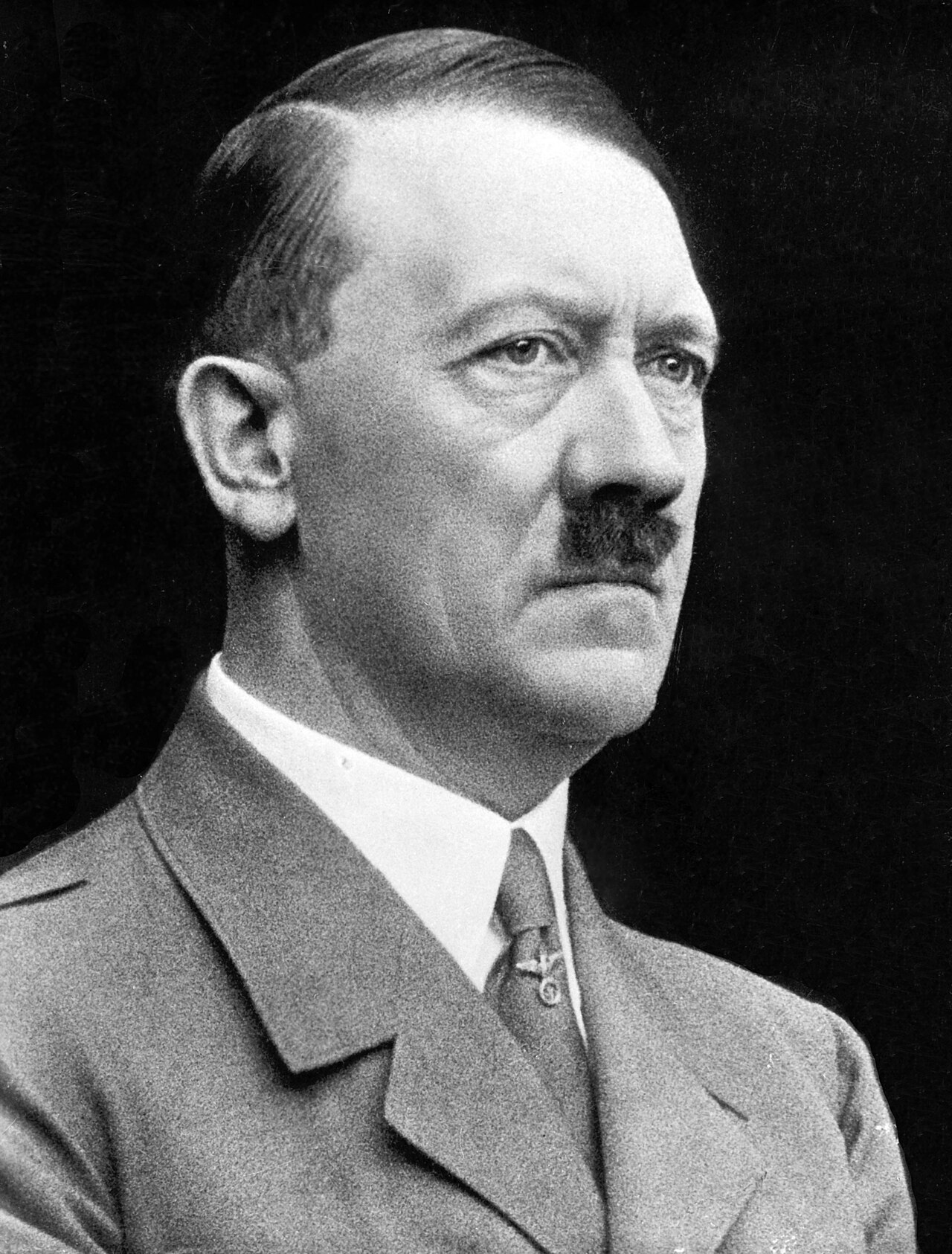


Subject and structure
The narrative concentrates on the final phase of the war, portraying daily life, tensions and decisions inside the bunker. Central to the film is a portrayal of Hitler and the people who remained with him until the end: military officers, secretaries and close associates. The story is built from memoirs and eyewitness testimonies to reconstruct events and conversations that took place in the confined and deteriorating atmosphere of the bunker. The film is set in Berlin and depicts the city under siege, shortages of supplies, and the breakdown of military command.
Cast and performances
Bruno Ganz's performance as Adolf Hitler is widely considered the film's centerpiece and received critical acclaim for its intensity and attention to psychological detail. Supporting roles portray members of the Nazi leadership, aides and secretaries, and the ensemble attempts to convey the combination of fanaticism, denial and human frailty in those final days. The film does not present Hitler in a flattering light, but its attempt at humanizing aspects of the experience sparked debate about representation and moral responsibility in historical drama.
Historical sources and accuracy
Downfall draws on several contemporary accounts from people who were in the bunker, including published memoirs and interviews. Filmmakers sought to depict the sequence of events, the layout of the bunker, and the attitudes of participants as faithfully as possible while condensing complex history into a dramatic narrative. Historians have generally praised the film's attention to detail in sets and costumes, while some critics and scholars have discussed where dramatic license was used to amplify tension or clarify relationships for cinematic purposes.
Reception and awards
Critics and audiences responded strongly to the film. It was nominated for the Academy Award for Best Foreign Language Film and earned praise for its acting and production values. At the same time, the portrayal of individuals within the bunker led to public discussion about whether dramatizations risk eliciting sympathy for perpetrators of mass crimes. The film stimulated renewed interest in the final days of the Nazi regime and in primary accounts from people who experienced those events.
Cultural impact and controversies
Downfall entered digital popular culture largely because of one intense scene in which Hitler reacts furiously upon learning that the war is lost. That scene has been repurposed in numerous parody subtitled videos and remixes, often used to humorous effect far removed from the film's original historical context. The spread of these parodies intensified debates about taste and the limits of satire. In one notable media episode, a parody connected to contemporary politics produced a public reaction that affected the career of a political staffer in the United Kingdom.
Further reading and distinctions
- The film is sometimes discussed alongside documentary material and memoirs for students of twentieth-century history, especially those researching the end of World War II in Europe.
- Distinctions between historical record and dramatic interpretation are an important consideration when using feature films as educational tools.
- For more context on the people and places portrayed, see accounts related to the German capital and the bunker: sources addressing the Führerbunker, wartime Germany and contemporary political figures mentioned in public debate such as Alex Salmond have all appeared in discussions sparked by the movie.
Downfall remains a frequently cited film in both film studies and history courses for the way it confronts a morally fraught historical episode through intense performance and detailed production design. Readers who wish to explore primary testimony should consult published memoirs and archival materials rather than relying solely on dramatized portrayals.
Related resources and commentary on the film's production, reception and the internet phenomenon around the famous tirade scene can be found through contemporary reviews and retrospectives that analyze how historical films shape public understanding of complex events. See also contemporary articles and interviews about the making of the film and its aftermath, which include reflections by cast and crew on the challenges of depicting recent history on screen; for additional perspectives consult available critical essays and film criticism archives.
For further information consult general film guides and historical overviews that address World War II cinema and representations of totalitarian leaders in drama, which can provide broader context for the artistic and ethical questions that Downfall raises.
Nazi dictator and related topics are central to understanding the film's subject matter; additional background on nations, timelines and military events is useful for readers seeking deeper historical grounding. See other resources linked here for supplementary reading and primary accounts that informed the movie's narrative approach.
Additional resources are available in film reference works and historical collections; consult filmographies, archives and scholarly writings for more detailed examinations of the movie's production history and legacy.
Der Untergang, production notes and interviews serve as starting points for anyone researching how the film was made and received internationally. For online collections and article indexes, please follow curated film and history portals that gather reviews, interviews and scholarly commentary on the film.
To review contemporary commentary and examples of the parody phenomenon, search media coverage from the mid-2000s that discusses the viral subtitling of that climactic sequence and its influence on internet culture.
For a compact exploration of the film's theme and impact, readers might compare Downfall with other feature films that portray the demise of regimes or leaders, noting similarities and differences in narrative focus, source material and critical reception.
Adolf Hitler and the historical record remain subjects of extensive scholarship; films like Downfall provoke renewed public interest and debate about memory, representation and the responsibilities of filmmakers when treating recent and painful history.
See also general film and history resources linked through authoritative reference sites for additional reading and context.
Germany and its cultural discussion around cinema that treats the Nazi era are important contexts for understanding how Downfall was produced and perceived at home and abroad. For those research avenues, consult academic collections and film studies where the movie is analyzed alongside other works about World War II.
Related articles
Author
AlegsaOnline.com Downfall (2004 film) Leandro Alegsa
URL: https://en.alegsaonline.com/art/28779
Sources
- boxofficemojo.com : "DOWNFALL"
- news.bbc.co.uk : "The rise, rise and rise of the Downfall Hitler parody"
- bbc.co.uk : "MP Tom Harris quits media post over Hitler joke video"