
Western Front (World War I)
Main theatre of war in Western Europe during World War I: a long, static front of trenches from the North Sea to Switzerland, marked by attrition, new weapons and the Allied 1918 breakthrough.
Overview
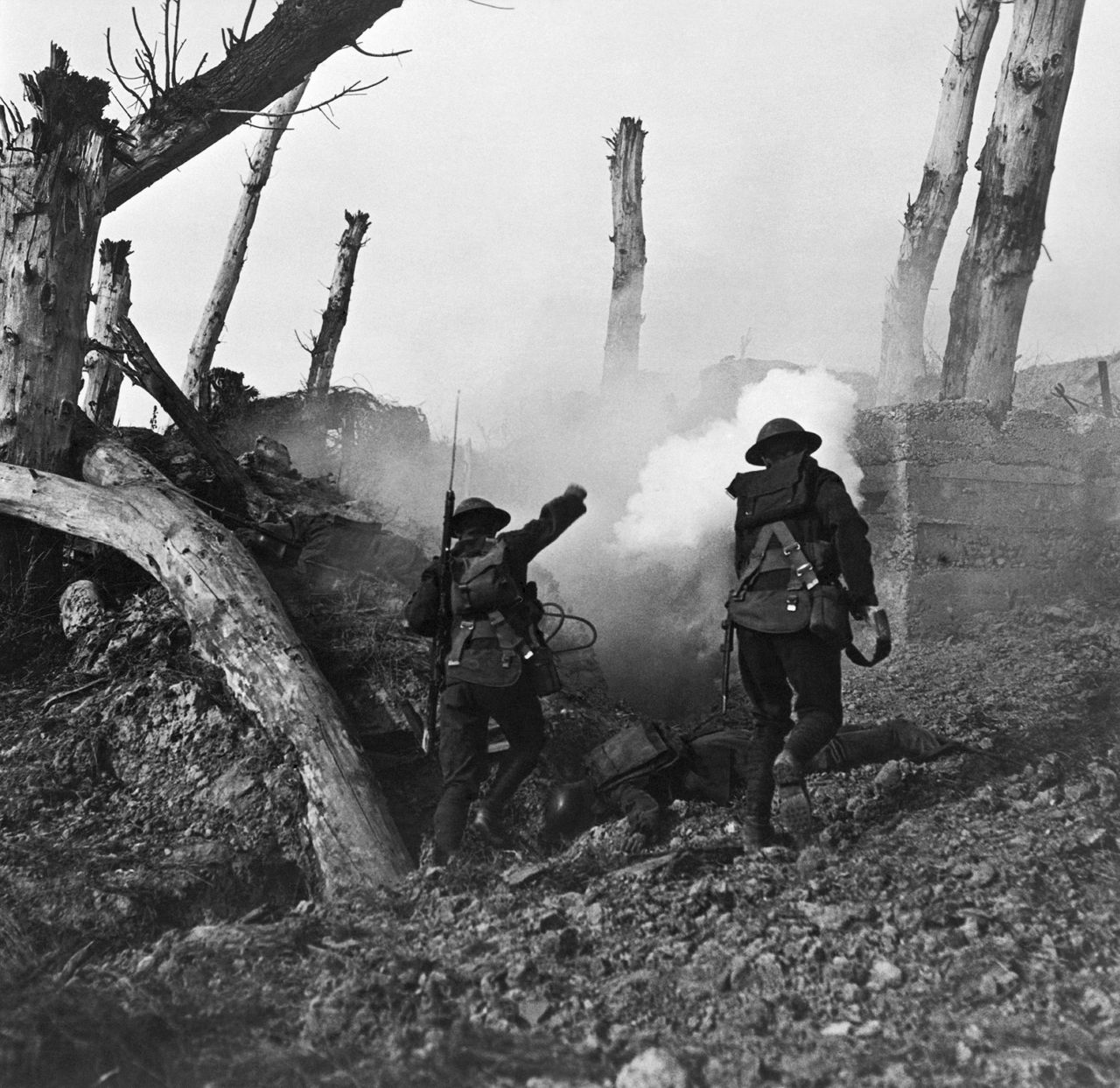
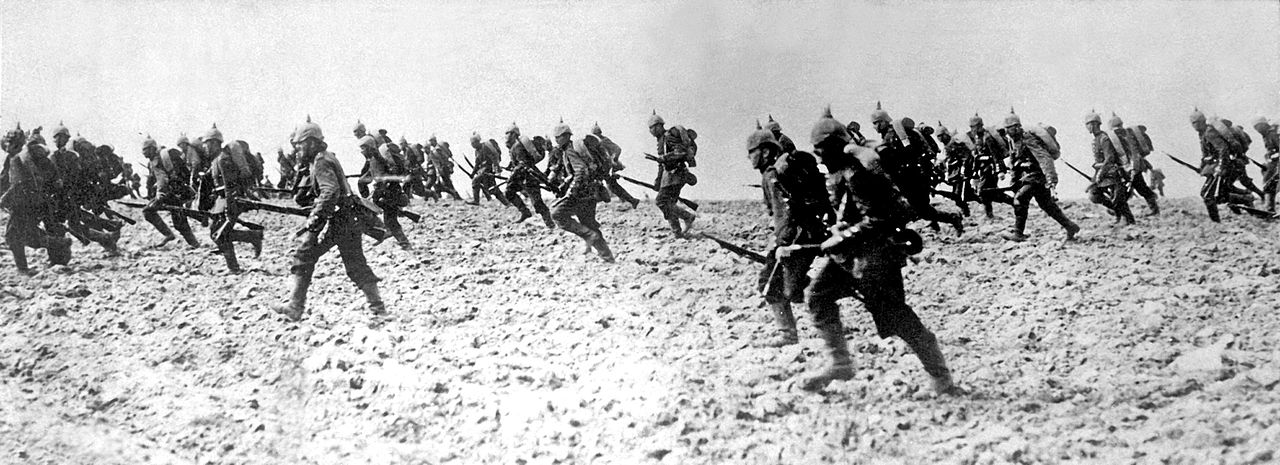
The Western Front was the principal theatre of fighting between Allied and Central Powers forces in Western Europe during World War I (1914–1918). After the German advance through Belgium and northern France in 1914 was halted, both sides entrenched and established a continuous line of fortified positions that, by late 1914, extended roughly from the North Sea coast to the Swiss frontier. The front became synonymous with prolonged positional warfare, where front-line gains were measured in yards rather than miles.
Image gallery
10 Images




Characteristics and structure
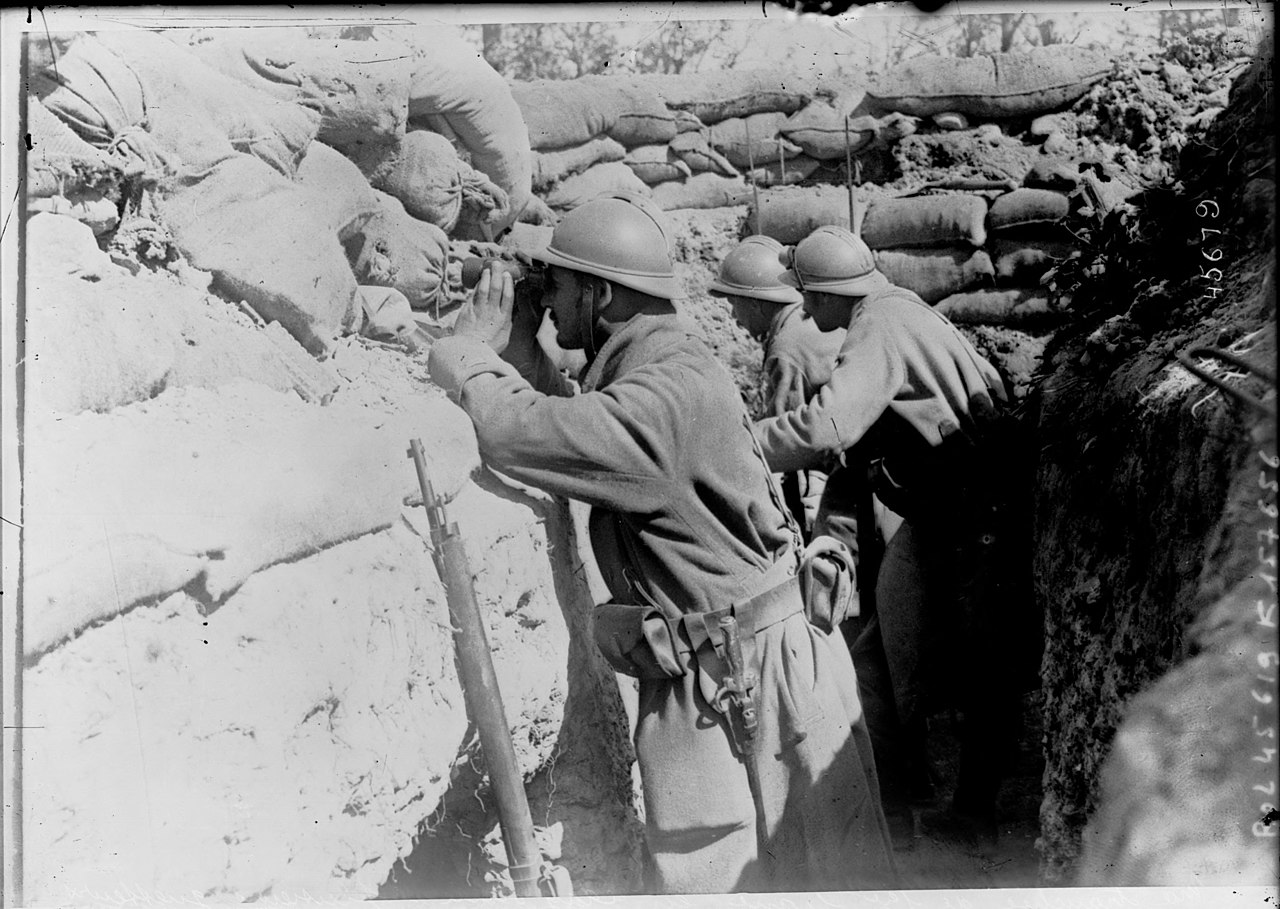
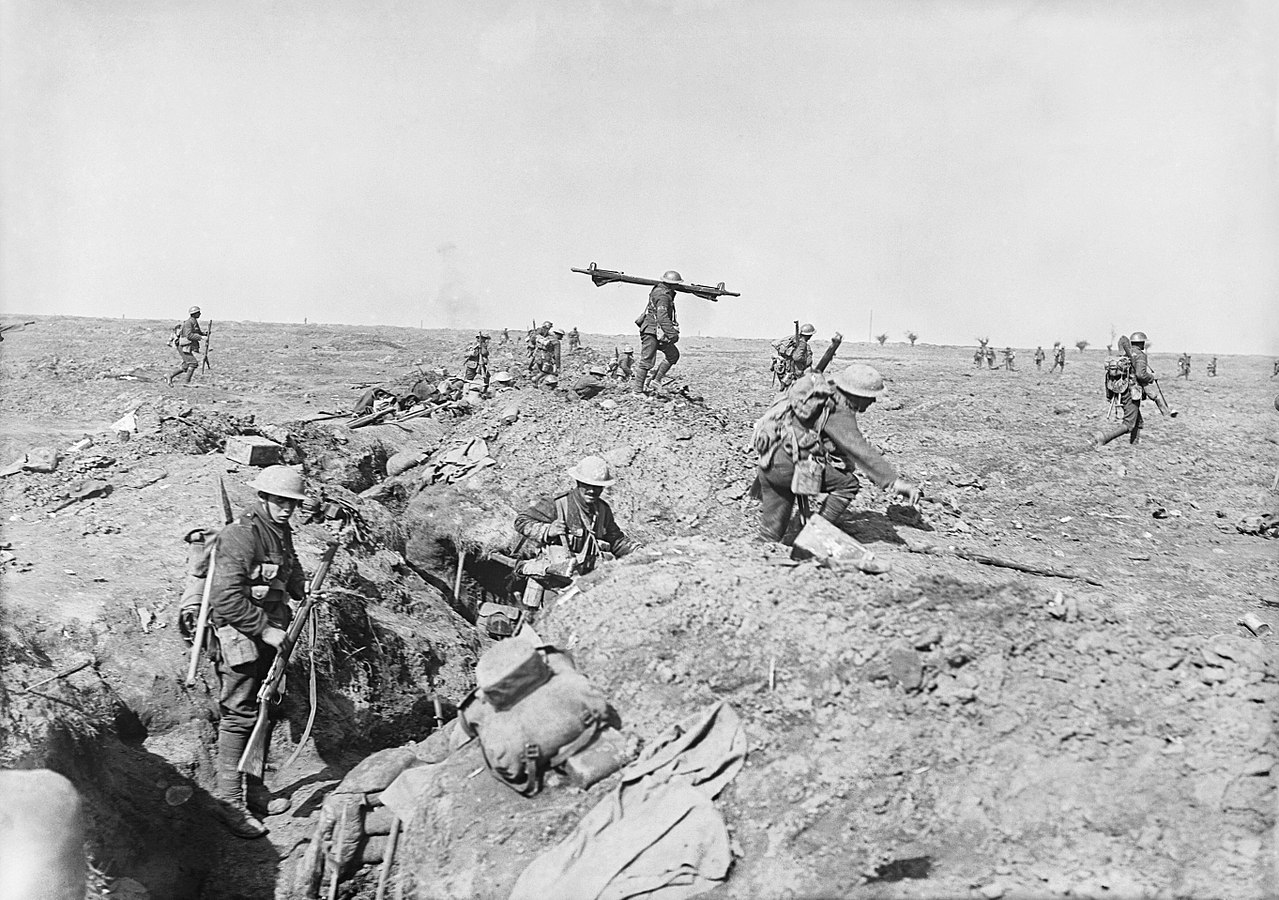
Trench systems were more than simple ditches: they included front-line, support and reserve trenches connected by communication trenches, with belts of barbed wire, strongpoints, and artillery positions behind them. The geometry and density of defences, combined with rapid-fire weapons and heavy artillery, made massed infantry assaults extremely costly. Logistics, railways and supply depots played a continuous role in sustaining large armies along the front. Weather, terrain and seasonal mud could be as decisive as enemy action.
Major campaigns and turning points
Fighting on the Western Front included famous and brutal campaigns such as the First Battle of the Marne (which ended the mobile phase in 1914), the battles of Ypres, Verdun, the Somme and Passchendaele, and the German Spring Offensive of 1918. Despite massive offensives launched by both sides between 1915 and 1917, strategic breakthroughs were rare. The stalemate finally began to break in the latter half of 1918 when Allied forces combined improved tactics, greater use of armored vehicles, air power and fresh troops to mount coordinated attacks that pushed the German army back.
Technology, tactics and military innovation
The Western Front accelerated the development and integration of new technologies and methods. Machine guns, indirect artillery fire, aerial reconnaissance and radio altered command and observation. Chemical agents were introduced as weapons, and tanks debuted as a tool to cross wire and suppress defenders. Over time, commanders learned to synchronize artillery barrages with infantry movement, use creeping barrages, and integrate combined-arms tactics that increased the chances of local success.
Social, political and human impact
The prolonged nature of the front had deep military and civilian consequences. Casualties were enormous, and the strain of attrition shaped political debates, manpower policies and public opinion. Instances of protest, mutiny and desertion occurred, and many armies imposed severe discipline to maintain cohesion. The front also affected civilian populations through occupation, requisitioning and refugee flows. The experience of trench warfare left a lasting influence on literature, memory and military thought.
Further reading and resources
- Campaign maps and overview
- Accounts of the 1914 invasions
- Belgium and the early fighting
- Context of World War I
- Industrial regions and strategic objectives
- Battle of the Marne studies
- Trench construction and life
- Coastal sectors on the North Sea
- Swiss frontier and neutral zones
- Artillery and firepower
- Infantry tactics and organization
- Machine-gun emplacement studies
- Defensive obstacles and wire
- Aviation on the Western Front
- Early tank operations and development
For a broad understanding of the Western Front, study its operational patterns, the interaction between technology and doctrine, and the profound human costs that shaped 20th-century history. Additional primary and secondary sources can be found via the links above and through specialized military history collections.
Questions and answers
Q: What started the Western Front in World War I?
A: The Western Front was started by the German Army invading Luxembourg and Belgium at the beginning of World War I in 1914 and gaining military control of many important industrial regions in France.
Q: How did both sides attempt to break through enemy lines?
A: Both sides used large numbers of artillery and thousands of infantry in offensives, as well as new military technology like poison gas, aircraft, and tanks.
Q: What caused the deadlock on the Western Front?
A: The deadlock was caused mostly by both sides not allowing any piece of land to give some kind of advantage to the enemy, even if there was little advantage.
Q: How did governments keep soldiers fighting during WWI?
A: To keep the war effort going, governments began to say that they would kill soldiers who did not attack and that soldiers betrayed the army if they did not fight.
Q: What battle stopped Germany's quick advance on France?
A: Germany's quick advance on France was stopped by the Battle of Marne.
Q: How were trenches used during WWI?
A: Both sides dug defensive trenches which eventually reached from North Sea to Swiss border with France. These trenches were used for protection against enemy advances.
Related articles
Author
AlegsaOnline.com Western Front (World War I) Leandro Alegsa
URL: https://en.alegsaonline.com/art/107510
Sources
- awm.gov.au : "First World War 1914 – 1918"
- vac-acc.gc.ca : "Canada in the First World War and the Road to Vimy Ridge"
- nzhistory.net.nz : "New Zealand and the First World War - Overview"
- rapidttp.com : "The South Africans at Delville Wood"
- first-world-war.org : "Portugal in World War I"