
Adolf Hitler
Adolf Hitler (1889–1945) was an Austrian-born German politician and dictator, leader of the Nazi Party and the central figure behind Nazi Germany, World War II, and the Holocaust.
Adolf Hitler (20 April 1889 – 30 April 1945) was an Austrian-born German politician who led the National Socialist German Workers' Party, commonly known as the Nazi Party. He became Germany's chancellor in 1933 and, after the death of President Paul von Hindenburg in 1934, concentrated political power in his own hands under the title Führer. Hitler's regime transformed the German state into a one-party dictatorship and pursued aggressive expansionist and racial policies that reshaped Europe and had catastrophic human consequences.
Image gallery
10 Images





Early life and political rise
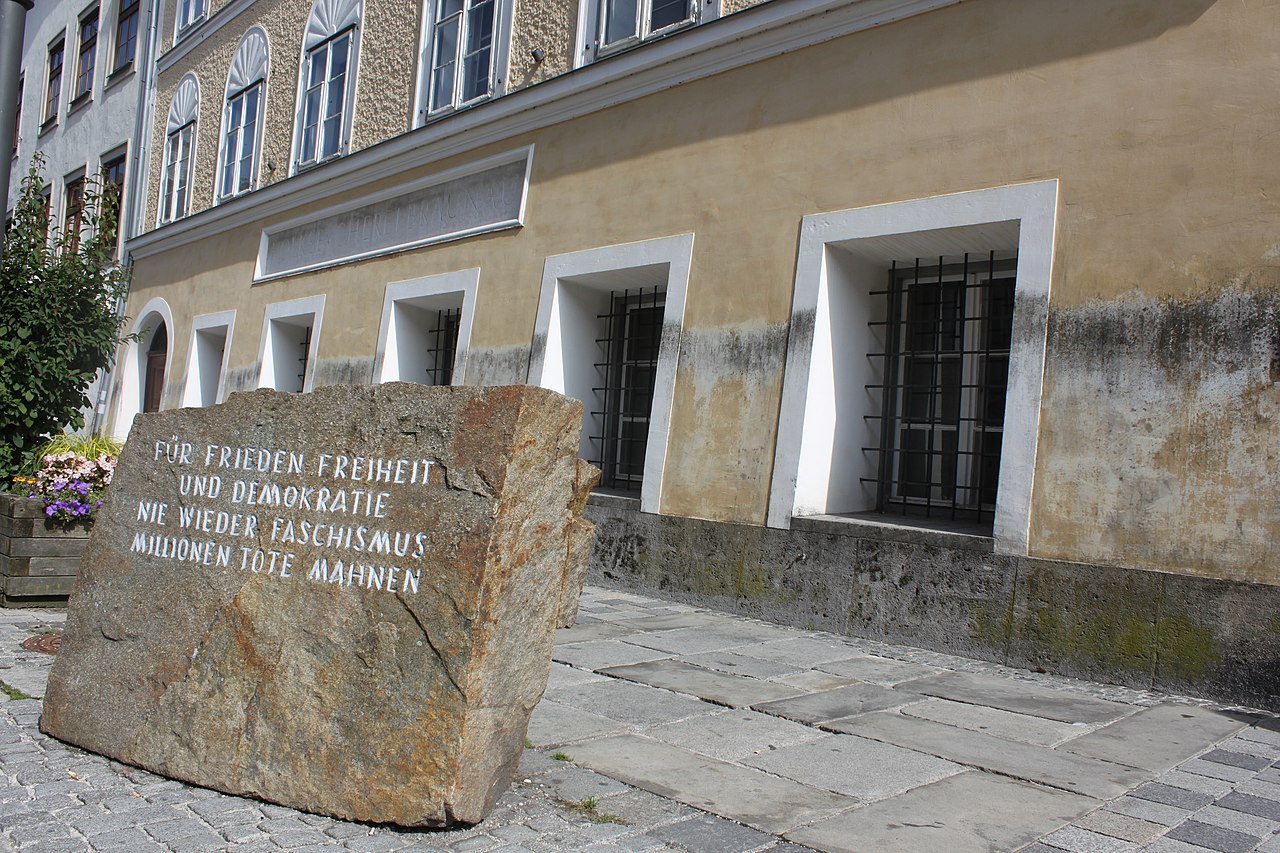
Born in Braunau am Inn in what was then Austria-Hungary, Hitler spent his early adulthood in Vienna and Munich and served in the German army during World War I. After the war he joined a small nationalist party in Germany and rapidly became its most visible speaker and strategist. His skills as an orator and propagandist, combined with economic turmoil, social unrest, and political fragmentation in the Weimar Republic, allowed him to build a broad following. By exploiting grievances, promising national revival, and attacking democratic institutions and political opponents, he turned the Nazi movement into a major political force and assumed government leadership in 1933.
Ideology, organization and policies
Hitler articulated a mixture of extreme nationalism, racial ideology, and authoritarian statism. Central elements included a belief in the superiority of an imagined Aryan race, virulent antisemitism, rejection of parliamentary democracy, and the pursuit of territorial expansion to secure living space (Lebensraum) for Germany. Under his rule the state supervised or controlled many aspects of public life and culture, eliminated political opposition, and mobilized propaganda, youth organizations, and paramilitary formations to enforce conformity.
- Political structure: one-party rule, suppression of opposition, centralization of power.
- Economic and social aims: rearmament, autarky efforts, public works and militarized labor policies.
- Racial policy: discriminatory laws, persecution, and the attempted systematic extermination of groups deemed undesirable.
War and mass atrocities
Hitler's foreign policy combined diplomatic coercion with armed aggression. The German invasion of Poland in September 1939 triggered a wider European conflict now known as World War II. Over the course of the war Hitler and his subordinates directed military campaigns across Europe and into the Soviet Union while also implementing policies that produced mass murder and other crimes. The Holocaust, the state-sponsored persecution and killing primarily of Jews along with Roma, disabled people, political prisoners, homosexuals and others, remains among the most systematically documented genocides in history. The war and occupation policies resulted in tens of millions of deaths, immense destruction, and vast displacement of civilian populations.
Death and historical legacy
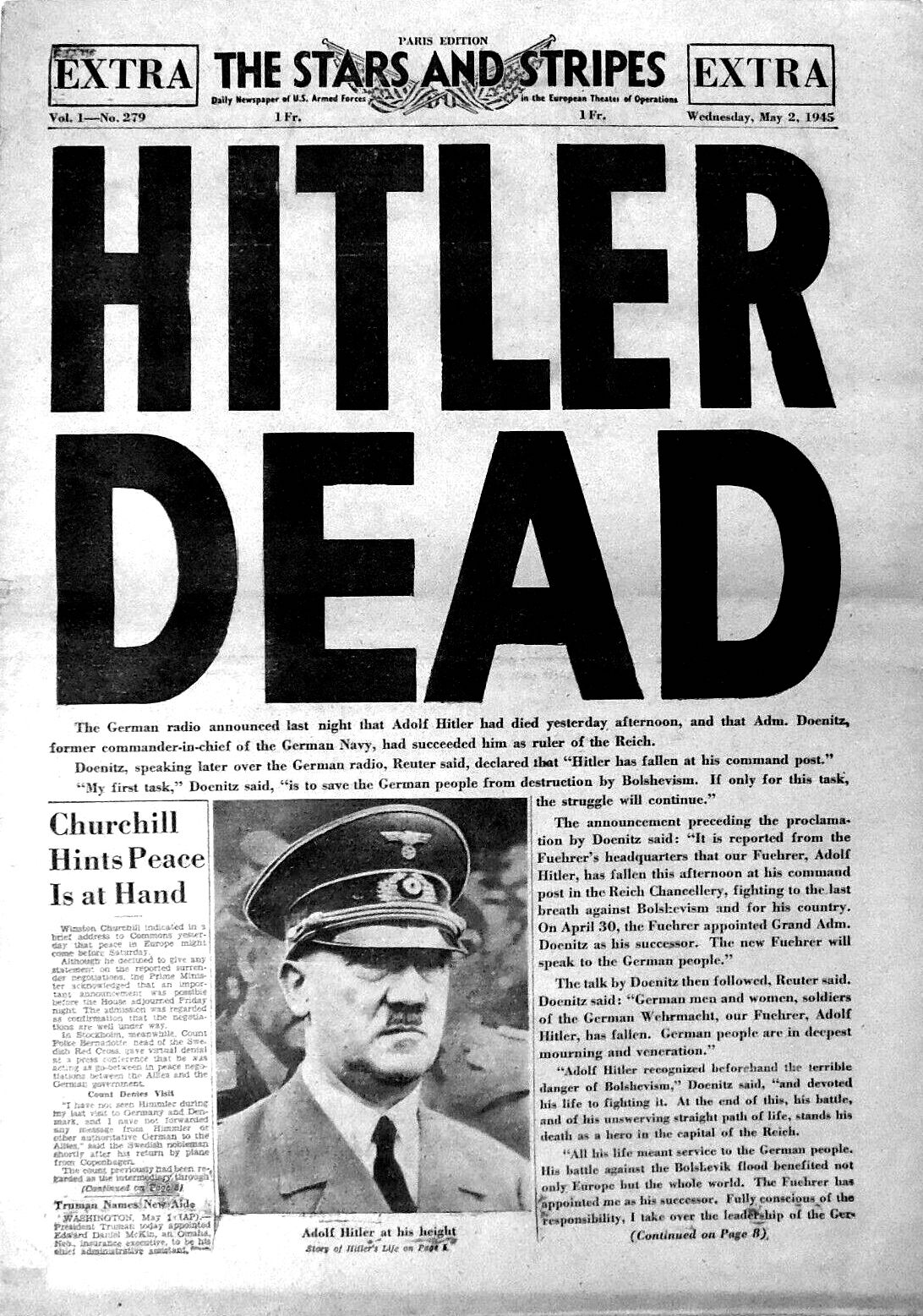
As Allied forces closed in on Berlin in late April 1945, Hitler took his own life in the Führerbunker. His death marked the collapse of the Nazi state, but the consequences of his actions endured: legal, moral, and political responses included war-crime trials, the reconfiguration of European borders, and long-lasting efforts to confront and remember the crimes committed in his name. Hitler remains a central and grim figure in modern history, widely studied as an example of how extremist ideology, authoritarianism, and state power can combine to produce catastrophic outcomes.
Related topics and further reading
- Nazi Party
- World War II
- Rise of National Socialism
- Weimar Republic politics
- 1932 German elections
- Chancellorship of Germany
- Authoritarian regimes
- Führer concept
- Invasion of Poland
- European theatre of war
- Hitler's death
- Battle of Berlin
- Soviet advance
- War casualties
- Civilian wartime losses
- War crimes
- Concentration camps
- Extermination camps
- Political persecution
- Antisemitism and Jewish history
- Religious minorities under Nazism
- Political opponents of Nazism
- The Holocaust
- Persecution of Roma people
- Criminalization of homosexuality
- Targeting of Slavic populations
- Other victimized groups
Questions and answers
Q: Who was Adolf Hitler?
A: Adolf Hitler was an Austrian-born German politician and the leader of the Nazi Party from 1933 until his death in 1945.
Q: How did Hitler become the leader of Germany?
A: He led the Nazi Party to become the most powerful political party in Germany after the 1932 elections, and then became Chancellor of Germany in 1933. The Nazis banned all other political parties and turned Germany into a dictatorship, meaning that the government was ruled by one person.
Q: What did Hitler call himself?
A: After 1934, he called himself Führer (meaning "leader").
Q: What event started World War II?
A: Hitler ordered the takeover of Poland in 1939, which started World War II in Europe.
Q: How many people died because of Nazi forces during World War II?
A: At least 50 million people died due to Nazi forces during World War II; this includes 28.7 million soldiers and people who died in fighting, as well as 19.3 million civilians and prisoners of war.
Q: What groups were persecuted by Nazi forces during WWII?
A: During WWII, Nazi forces persecuted and killed Jews and other ethnic, religious, and political minorities. In what is called the Holocaust, they killed six million Jews, Roma people, homosexuals, Slavs, and many other groups of people.
Q: How did Hitler die ? A: On 30 April 1945 , as Soviet Army got to Berlin ,Hitler shot himself because he did not want to be captured alive by Soviet Union .
Related articles
Author
AlegsaOnline.com Adolf Hitler Leandro Alegsa
URL: https://en.alegsaonline.com/art/113337
Sources
- Definitions
- Media
- News stories
- Quotations
- Source texts
- Textbooks
- Learning resources