
Ernst Röhm — SA leader and victim of the 1934 purge
Ernst Röhm (1887–1934) was a German officer, co‑founder and commander of the Sturmabteilung (SA), a Reichstag member and minister. He was killed during the 1934 purge known as the Night of the Long Knives.
Ernst Julius Günther Röhm (born 28 November 1887) was a prominent early figure in the movement that became the National Socialist German Workers' Party. Born in Munich in Bavaria, he rose from a military background to become the leader and organizer of the party's street paramilitary force, the Sturmabteilung. He also served as a member of the Reichstag and was appointed a government minister in 1933. Röhm was arrested and ultimately murdered during the events of late June and early July 1934.
Image gallery
10 Images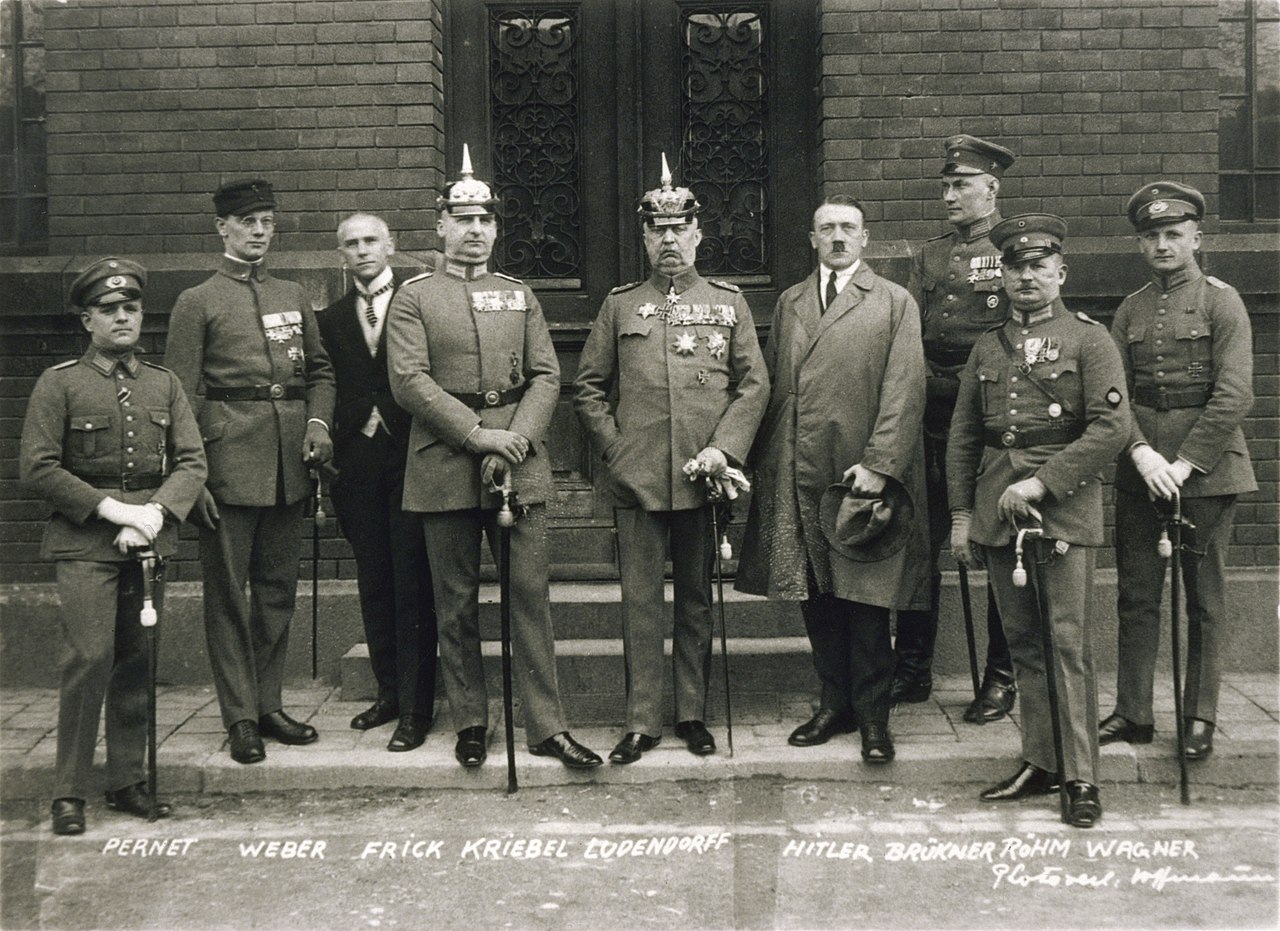


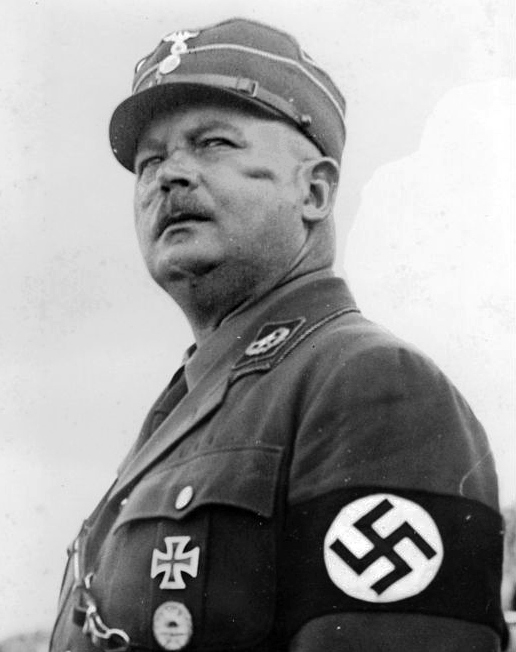


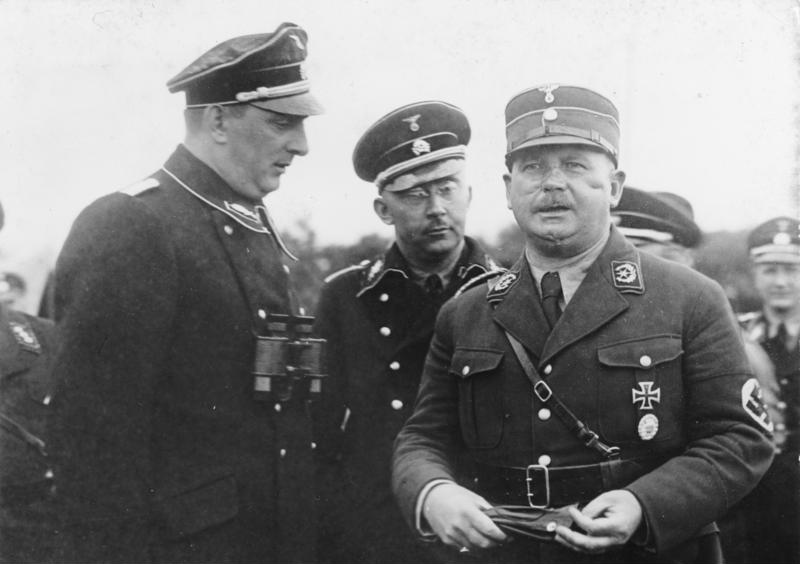


Early life and military service
Röhm trained as an officer and fought in the First World War. He remained in right‑wing paramilitary circles after 1918, taking part in the turmoil of postwar Germany and working with various nationalist groups. For his service during the war he was awarded the Iron Cross, First Class. His military experience shaped his view that a disciplined, uniformed force could be used to secure political power.
Sturmabteilung and political role
As a co‑founder and commander, Röhm transformed the SA into a mass organization of former soldiers, party activists and street fighters who protected meetings, disrupted opponents and intimidated rivals. The SA's size and radicalism made it a key instrument in the party's rise but also a source of friction with Germany's regular army and conservative elites. Röhm's influence within the party was substantial and at times put him at odds with other leaders, including Adolf Hitler, as well as with rival power centers such as the SS.
The purge of 1934 and his death
Growing tensions over the SA's ambitions and Röhm's political stance culminated in a government crackdown in the summer of 1934. In a coordinated operation known as the Night of the Long Knives, the regime targeted SA leaders and other opponents. Röhm was taken into custody, detained in Munich and executed on 1 July 1934. The killings were portrayed as necessary to restore order and were justified publicly with various accusations against the victims; the decision to eliminate Röhm is widely seen as ordered or approved at the highest level of government.
Legacy and historical significance
The purge decisively reduced the SA's power, strengthened the SS and reassured the traditional military and conservative establishment. Röhm's removal marked a turning point in the consolidation of authoritarian rule and illustrated how internal rivalries shaped the regime's development. Historians note that his prominence in the party's violent early tactics, combined with political ambitions that threatened other leaders, contributed directly to his downfall.
- Birthplace: Munich, Bavaria.
- Military award: Iron Cross, First Class.
- Key organization: Sturmabteilung (SA).
- Parliamentary role: Member of the Reichstag and government minister.
- Death: Arrested and killed in Munich, Munich, Germany, during the purge ordered amid tensions with Adolf Hitler.
For broader context on the SA's role in the party's ascent and the political dynamics that led to the 1934 purge, consult contemporary historical surveys and primary documents on the interwar period and early Nazi governance. Additional resources and archival material can be found via research libraries and dedicated historical collections (party history reference).
Questions and answers
Q: Who was Ernst Röhm?
A: Ernst Julius Gunther Röhm was a co-founder and leader of the German Sturmabteilung, the Stormtroopers, and a member of the German Reichstag.
Q: Where was Ernst Röhm born and where did he die?
A: Ernst Röhm was born and died in Munich, Bavaria, Germany.
Q: What was Röhm's role in the First World War?
A: During the First World War, Röhm fought as an officer and was awarded the Iron Cross First Class.
Q: How did Ernst Röhm die?
A: Röhm was murdered during the Night of the Long Knives, in 1934, by orders of Adolf Hitler.
Q: What was Röhm's role as a minister in the German Reichstag?
A: Röhm served as a minister from 1933 to 1934 in the German Reichstag.
Q: What organization did Röhm co-found?
A: Röhm co-founded the German Sturmabteilung, the Stormtroopers.
Q: When was Ernst Röhm born?
A: Ernst Röhm was born on November 28th, 1887, in Munich, Bavaria, Germany.
Related articles
Author
AlegsaOnline.com Ernst Röhm — SA leader and victim of the 1934 purge Leandro Alegsa
URL: https://en.alegsaonline.com/art/118685
Sources
- jewishvirtuallibrary.org : "Biography of Röhm by the Jewish Virtual Library"
- dhm.de : "Röhms biography in table form"
- nationalsozialismus.de : "A biography of Ernst Röhm in German"
- nationalsozialismus.de : "Biography of Ernst Röhm"
- britannica.com : "The SA"
- projects.brg-schoren.ac.at : "The biographies of important leaders of the German NSDAP - Röhm's biography"
- lexikon.meyers.de : "Biography of Ernst Röhm"
- spartacus.schoolnet.co.uk : "Röhms biography"
- dieterwunderlich.de : "Short Biography"
- km.bayern.de : "Landeszentrale für Politische Bildungsarbeit"