
Joachim von Ribbentrop
German diplomat who served as Nazi Germany's foreign minister (1938–1945); negotiated the Molotov–Ribbentrop Pact, was tried at Nuremberg and executed in 1946.
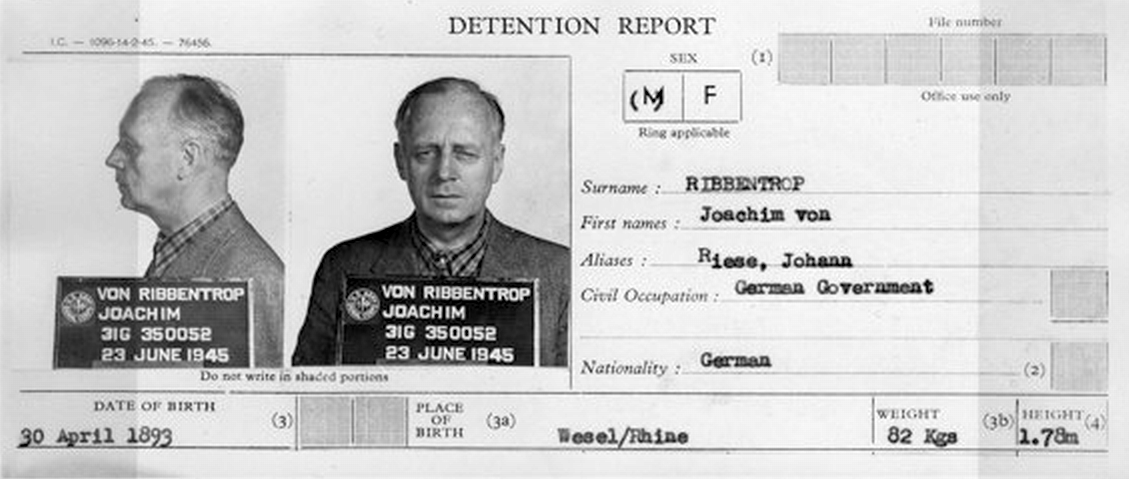
Ulrich Friedrich Wilhelm Joachim von Ribbentrop was a prominent German diplomat and politician of the National Socialist era. He was born on 30 April 1893 in Wesel, in the Rhine Province of Germany. Rising from a commercial background, he became closely associated with Adolf Hitler and the Nazi leadership, serving at the center of the regime's foreign policy until the end of World War II.
Image gallery
10 Images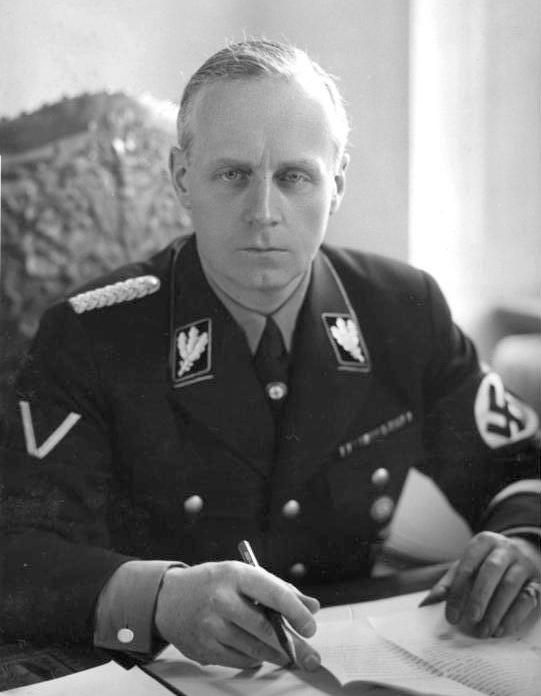




Career and roles
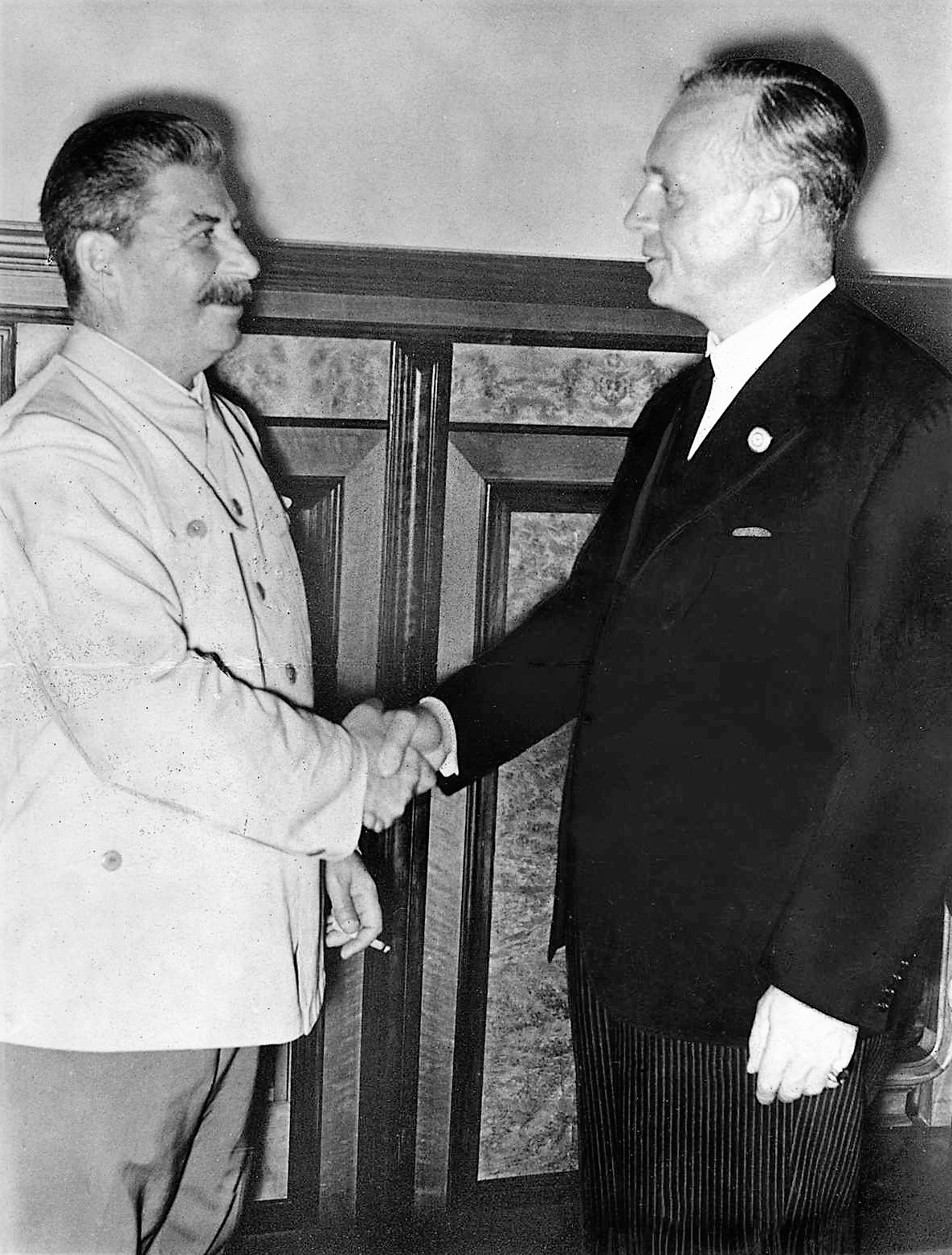
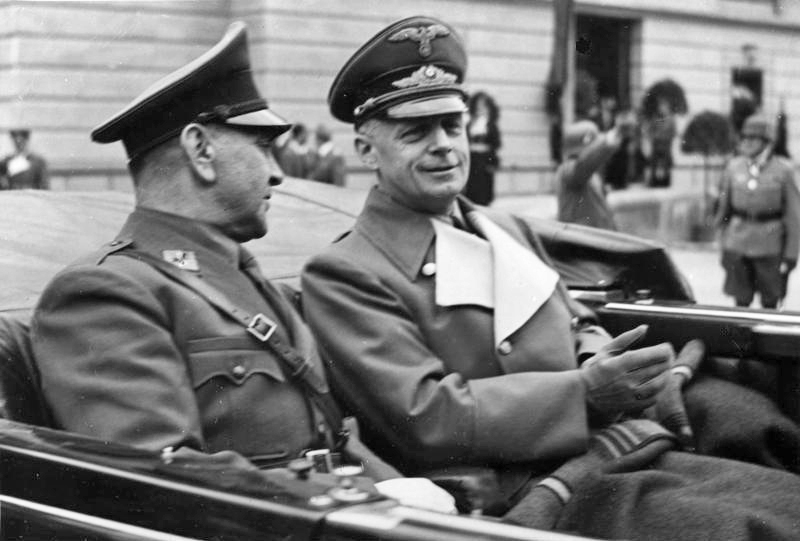
Ribbentrop served as the German ambassador to the United Kingdom from 1936 to 1938 and was appointed Foreign Minister of Germany in 1938. In that office he represented Nazi diplomatic aims, negotiated treaties and sought alliances that would expand German influence. He is best known internationally for his role in negotiating the non‑aggression treaty with the Soviet Union in 1939, commonly called the Molotov–Ribbentrop Pact.
Reputation and conduct
Contemporaries and historians often describe Ribbentrop as socially ambitious and lacking the professional discretion of career diplomats. He cultivated direct access to Hitler and used that relationship to shape policy. His tenure is associated with aggressive expansionist diplomacy and complicity in the regime's oppressive policies.
War, trial and execution
After Germany's defeat, Ribbentrop was arrested and became a primary defendant at the International Military Tribunal in Nuremberg. He faced charges including crimes against peace, war crimes and crimes against humanity. The court found him guilty and he was sentenced to death; he was executed by hanging on 16 October 1946 in Nuremberg, in Bavaria, Germany. Contemporary records of the trial emphasize both his role in planning aggression and his moral responsibility for the policies of the Nazi foreign office.
Legacy and significance
Ribbentrop remains a figure studied for what his career reveals about diplomacy under totalitarian regimes: how personal ambition, ideological alignment and access to power can shape international relations. His life is often examined in discussions of responsibility, the legal framing of aggression, and the processes of the Nuremberg trials that set precedents in international law.
Further reading
Related articles
Author
AlegsaOnline.com Joachim von Ribbentrop Leandro Alegsa
URL: https://en.alegsaonline.com/art/50357