
Allied-occupied Germany (1945–1949): zones, administration and legacy
Overview of the four-zone occupation of Germany after World War II, its administration, main policies, boundary issues and how occupation led to the division of Germany and the origins of the Cold War.
After the defeat of World War II, the territory of Nazi Germany lying west of the Oder–Neisse line was placed under military occupation and organized into four principal zones. The arrangement, negotiated among the victorious states, aimed to provide orderly administration, security and demilitarization while decisions about Germany’s long‑term future were worked out. The occupation period is commonly dated from 1945 until the political division of Germany and new international arrangements that took effect around 1949.
Image gallery
10 Images




Occupation zones and authorities
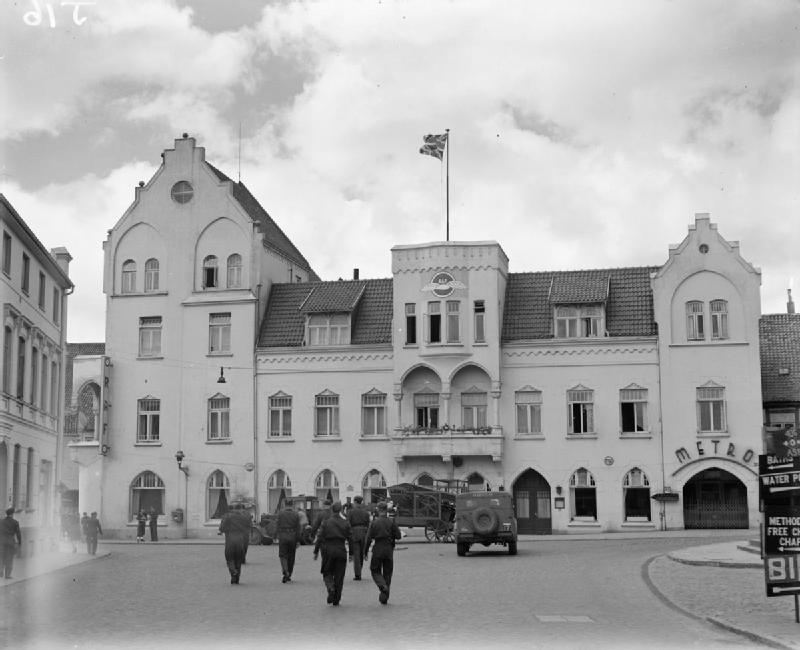
Responsibility for the zones rested with the major occupying states: the Soviet Union, the United Kingdom, the United States and France. These Allied powers exercised supreme authority within their respective zones for civil administration, security and economic control. An Allied Control Council was established to coordinate policies affecting the whole country, although its effectiveness declined as political differences grew between East and West.
- Soviet zone — eastern provinces under the Soviet Union.
- British zone — northwestern provinces under the United Kingdom.
- American zone — southern and central regions under the United States.
- French zone — southwestern areas administered by France.
Allied governance and major policies
Occupation authorities pursued a mix of common and zone-specific measures. All zones implemented denazification programs, legal proceedings against war criminals and efforts to dismantle Germany’s war potential. Administrations handled essential services, rewired local governments, and managed food, transport and reconstruction needs. Economic policy began to diverge as the occupying authorities pursued different priorities for reparations, industrial dismantling and economic revival.
Population movements and humanitarian tasks
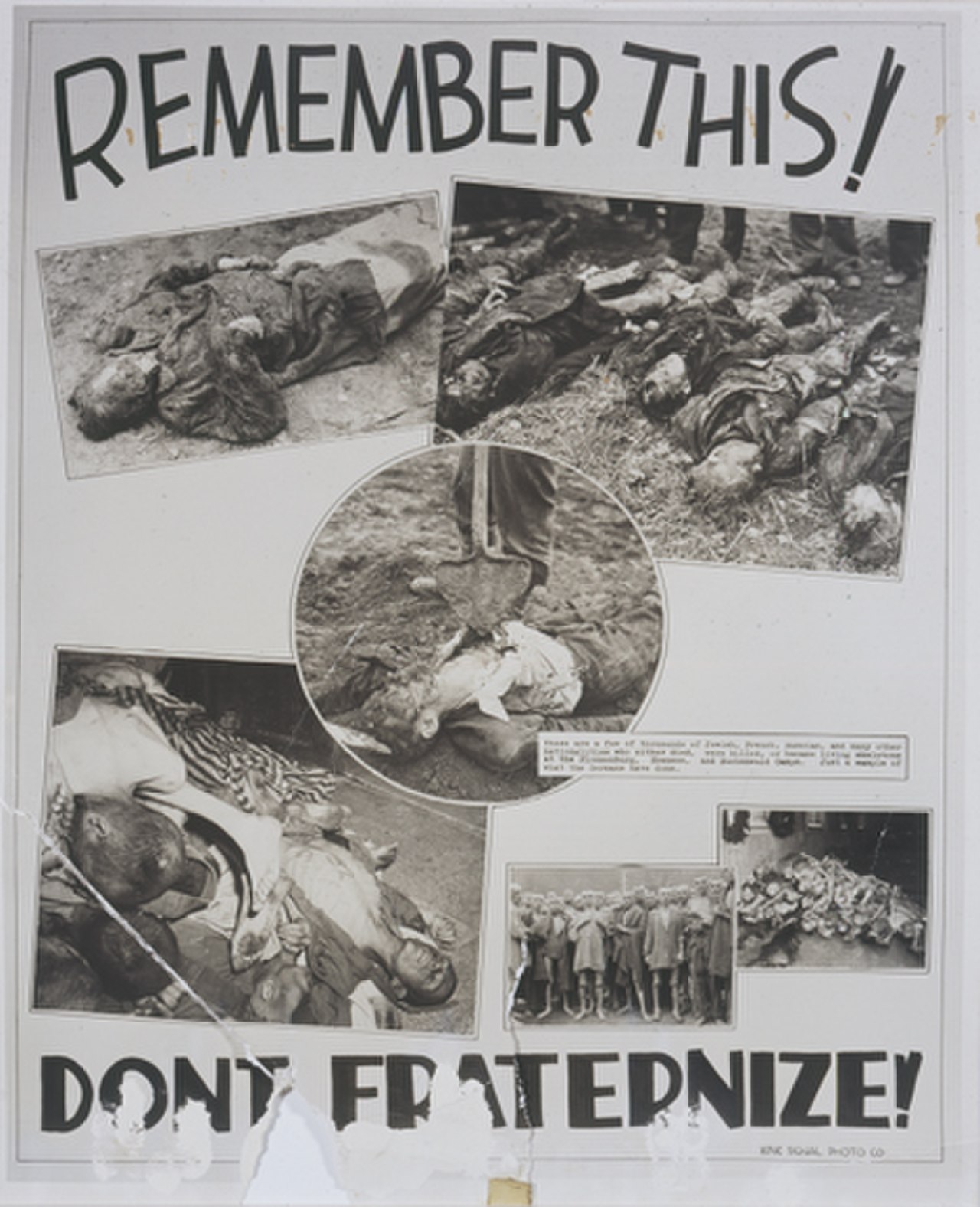
The immediate postwar period saw enormous humanitarian challenges. Occupying powers administered displaced persons camps and sought to repatriate or resettle millions uprooted by war. There were also large‑scale expulsions and population transfers of ethnic Germans from eastern territories and parts of Eastern Europe, a process carried out amid shortages and disorder and overseen in varying ways by the occupying authorities.
Boundaries, military movements and early tensions
Agreements on the zones were reached in wartime conferences. In the closing weeks of combat some Western Allied units advanced beyond the lines later fixed on maps, occupying towns and territories allocated to the Soviet sector; many of these positions were subsequently relinquished when political decisions required strict adherence to the agreed boundaries, with U.S. forces withdrawing from such forward positions in mid‑1945. Over time, differences in occupation policy and incidents at the local level contributed to growing mistrust.
Economic realignment and political separation
Practical cooperation between western authorities led to the economic fusion of the British and American zones (the Bizone) and later wider western cooperation. Policy shifts, including currency reform and varying approaches to reconstruction and aid, accelerated political separation. Berlin — itself divided among the four powers despite being within the Soviet zone — became a focal point of crisis when Soviet and western policies clashed.
From occupation to separate states and legacy
By 1949 the breakdown of cooperative governance and divergent political developments resulted in the emergence of separate German states in the western zones and in the Soviet zone. The occupation system therefore served both as the immediate mechanism for administering a defeated state and as the framework within which the postwar division of Germany and early Cold War alignments took shape. Legal and political aspects of Allied authority continued to influence German sovereignty and international relations until later settlements were concluded in the second half of the 20th century.
The Allied occupation of Germany left a complex legacy: it enabled demilitarization and reconstruction, established institutions that guided recovery, and—through policy divergence and contested sovereignty—contributed to the geopolitical partition of Europe that defined the early Cold War era.
Questions and answers
Q: How was Nazi Germany divided after World War II?
A: Nazi Germany west of the Oder-Neisse line was divided into four occupation zones.
Q: When was the division of Nazi Germany agreed upon?
A: The division of Nazi Germany was agreed upon in September 1944 in London.
Q: Who occupied the four zones in Nazi Germany?
A: The allied powers who defeated Germany (including the Soviet Union, the United Kingdom, the United States) and France occupied the four zones in Nazi Germany.
Q: How long did the occupation of Nazi Germany last?
A: The occupation of Nazi Germany lasted for four years from 1945 to 1949.
Q: Did the American forces respect the previously agreed upon occupation zone boundaries?
A: No, the American forces pushed beyond the previously agreed upon occupation zone boundaries, sometimes by as much as 200 miles.
Q: Did American forces withdraw from certain areas meant to be in the Soviet zone?
A: Yes, American forces withdrew from certain areas meant to be in the Soviet zone after about two months of holding them.
Q: When did the American forces withdraw from certain areas meant to be in the Soviet zone?
A: The American forces withdrew from certain areas meant to be in the Soviet zone during July 1945.
Related articles
Author
AlegsaOnline.com Allied-occupied Germany (1945–1949): zones, administration and legacy Leandro Alegsa
URL: https://en.alegsaonline.com/art/2826