
Hermann Göring (1893–1946): Nazi leader, Luftwaffe chief, and Nuremberg defendant
Overview of Hermann Göring: early life, rise in the Nazi regime, roles in the Luftwaffe and economy, involvement in state terror and war crimes, trial at Nuremberg and historical legacy.
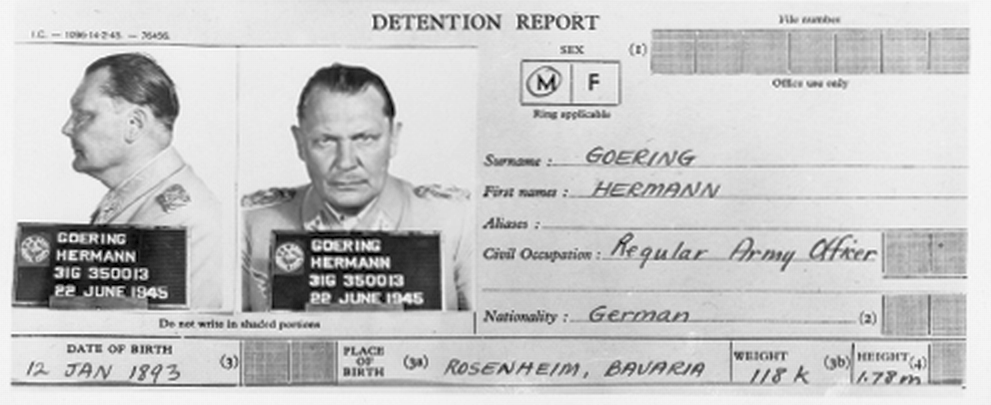
Hermann Wilhelm Göring (12 January 1893 – 15 October 1946) was a leading German political and military figure in the National Socialist era. He rose from service as a First World War aviator to become one of Adolf Hitler's closest associates and the most powerful official of the Nazi Party after Hitler himself. Göring held a series of high offices in the German state and party, and his career is closely associated with the regime's preparation for war, state policing, and participation in crimes against humanity.
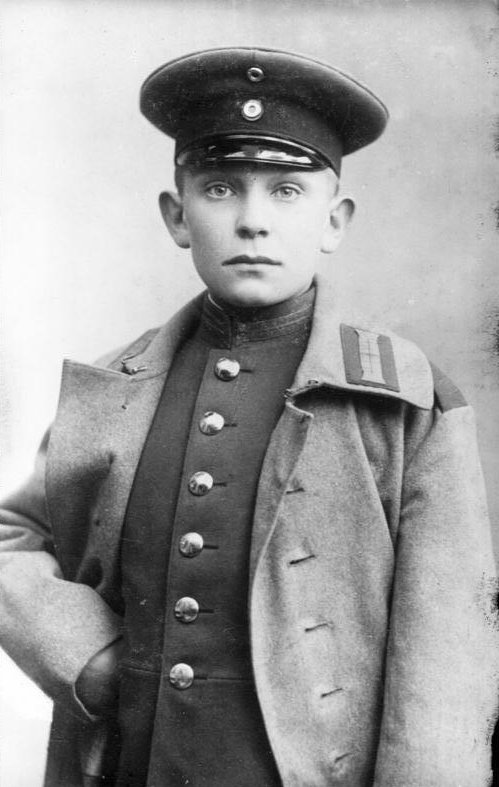
Born in Rosenheim in Upper Bavaria, Göring served as a pilot in the German air service during World War I and achieved recognition for his flying. In the 1920s he became an early member of the Nazi movement and built a personal bond with Hitler. By the early 1930s he occupied prominent posts in party and government institutions, combining political authority with control over economic and security initiatives.
Image gallery
10 Images



Roles and responsibilities
During the 1930s and into the Second World War, Göring accumulated titles and powers: he presided over the Reichstag, directed aviation policy as the head of the German air arm, and was entrusted with major economic programs designed to mobilize Germany for war. He also played a part in establishing the apparatus of state repression in the early years of the regime, including measures that facilitated the expansion of concentration camps and the strengthening of secret police forces.
Within the Nazi hierarchy Göring was both a policy maker and a manager of resources. He chaired efforts to coordinate rearmament and resource allocation and oversaw organizations that exploited occupied territories and seized assets. He exercised political influence across military, industrial and police spheres, often delegating operational control to other leaders while retaining overarching responsibility.
Involvement in persecution and wartime policy
Göring's authority extended into measures that targeted Jews and other persecuted groups. Historical records indicate he gave instructions that helped set in motion bureaucratic steps toward the regime's genocidal policies. As the war progressed, he was implicated in the economic expropriation of occupied lands and the forced labour systems that supported the German war effort. His stewardship of certain institutions and directives contributed to the implementation of state violence on a massive scale.
After Germany's defeat, Göring was tried as one of the primary defendants at the International Military Tribunal in Nuremberg. The court found him guilty of crimes against peace, war crimes and crimes against humanity. Sentenced to death, he died by suicide in custody shortly before his scheduled execution.
Legacy and historical assessment
Scholars view Göring as a central figure in the consolidation of Nazi power and the functioning of its violent and extractive systems. His combination of personal ambition, administrative control, and ideological commitment made him instrumental in transforming policy into practice. Historians continue to study his career to understand how legal power, economic management and police institutions were harnessed by the Nazi state.
Key roles (summary)
- Political: Senior Nazi official and president of parliamentary institutions.
- Military: Leading figure in German aviation and holder of the title Reichsmarschall.
- Economic/administrative: Organizer of mobilization and resource programs for war.
- Security: Involved in the creation and direction of early repressive measures and transfers of policing authority.
Further reading and link placeholders
- Birthplace and early life
- Regional background: Bavaria
- National context: Germany
- Death and detention in Nuremberg
- Biographical outlines
- Political career overview
- Party roles and responsibilities
- Military background and service
- Nazi Party (NSDAP) context
- Parliamentary positions
- Reichstag history
- Ministerial offices held
- Relationship with Adolf Hitler
- Second World War overview
- Command appointments
- Air force and aviation policy
- Early security and camp system
- SS and policing institutions
- Heinrich Himmler and SS leadership
- Reinhard Heydrich and security administration
- Terms associated with the Final Solution
- Victims and targeted populations
- Charges at Nuremberg
- The Nuremberg Trials
- Trial findings
- Sentencing and penalties
- Circumstances of death
- Cause of death as reported in custody
- Notes on execution that was scheduled
Questions and answers
Q: Who was Hermann Wilhelm Göring?
A: Hermann Wilhelm Göring was a German politician and military leader of Germany who served as second in command after Adolf Hitler.
Q: What positions did he hold within the Nazi Party?
A: He was one of the most powerful leaders of the Nazi Party (NSDAP) and held positions such as President of the German Reichstag, minister of the Third Reich, and Commander-in-Chief of the German air force.
Q: What organizations did Göring create during his time in power?
A: Göring is responsible for creating concentration camps and the Gestapo, which was a secret police organization.
Q: Who took control over these organizations after Göring?
A: After Göring, SS chief Heinrich Himmler took control over these organizations.
Q: What order did he give to Reinhard Heydrich in 1941?
A: In 1941, he gave Reinhard Heydrich an order to arrange what became known as "The Final Solution" which involved killing millions of Jews and Poles.
Q: How was Hermann Wilhelm Göring convicted at Nuremberg Trials?
A: At Nuremberg Trials, he was found guilty by court decision on 1 October 1946.
Q: How did Hermann Wilhelm Göring die?
A: A few hours before his execution could take place, he killed himself by swallowing a tablet of cyanide.
Related articles
Author
AlegsaOnline.com Hermann Göring (1893–1946): Nazi leader, Luftwaffe chief, and Nuremberg defendant Leandro Alegsa
URL: https://en.alegsaonline.com/art/120599
Sources
- geocities.com : "Hermann Göring" · web.archive.org
- thirdreich.net : "Hermann Göring" · web.archive.org
- acepilots.com : "Hermann Göring - German Ace of WWI, CO of Richthofen Group - Head of Luftwaffe and Hitler's Right-Hand Man in WWII"
- dhm.de : "Görings biography in table form"
- speedace.info : "The Blue Max Medal: A brief history of the Red Baron Pour Le Merite"
- findagrave.com : "Biography of Carin Göring"
- fpp.co.uk : "Göring: A biography"
- meinebibliothek.de : "The biography of Hermann Göring in "Meine Bibliothek""
- jewishvirtuallibrary.org : "A biography of Hermann Göring"
- euronet.nl : "Biography of Reichsmarschall Herman Goering" · web.archive.org
- dikigoros.150m.com : "Göring's biography"
- ns-archiv.de : "NS-Archive – documents: Adolf Hitler: political testament 1945. p. 7"