
Wehrmacht: the armed forces of Germany, 1935–1945
The Wehrmacht was the unified armed forces of Nazi Germany from 1935 to 1945, consisting of the Heer, Kriegsmarine and Luftwaffe. Its organization, campaigns and legacy remain subjects of military and historical study.
The term Wehrmacht denotes the unified armed forces established by Nazi Germany in 1935 and maintained until 1945. Literally meaning "defense force," the Wehrmacht replaced the Reichswehr as the national military instrument during a period of rapid rearmament and expansion. It played a central role in the campaigns of World War II and in shaping modern debates about military doctrine, civil control of the armed forces, and legal responsibility under international law.
Image gallery
10 Images
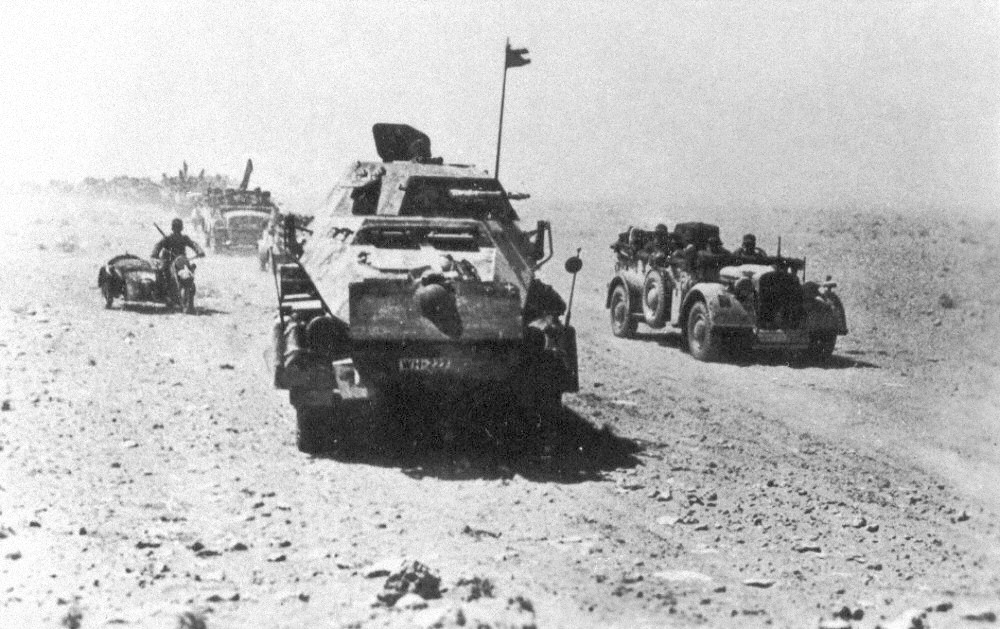
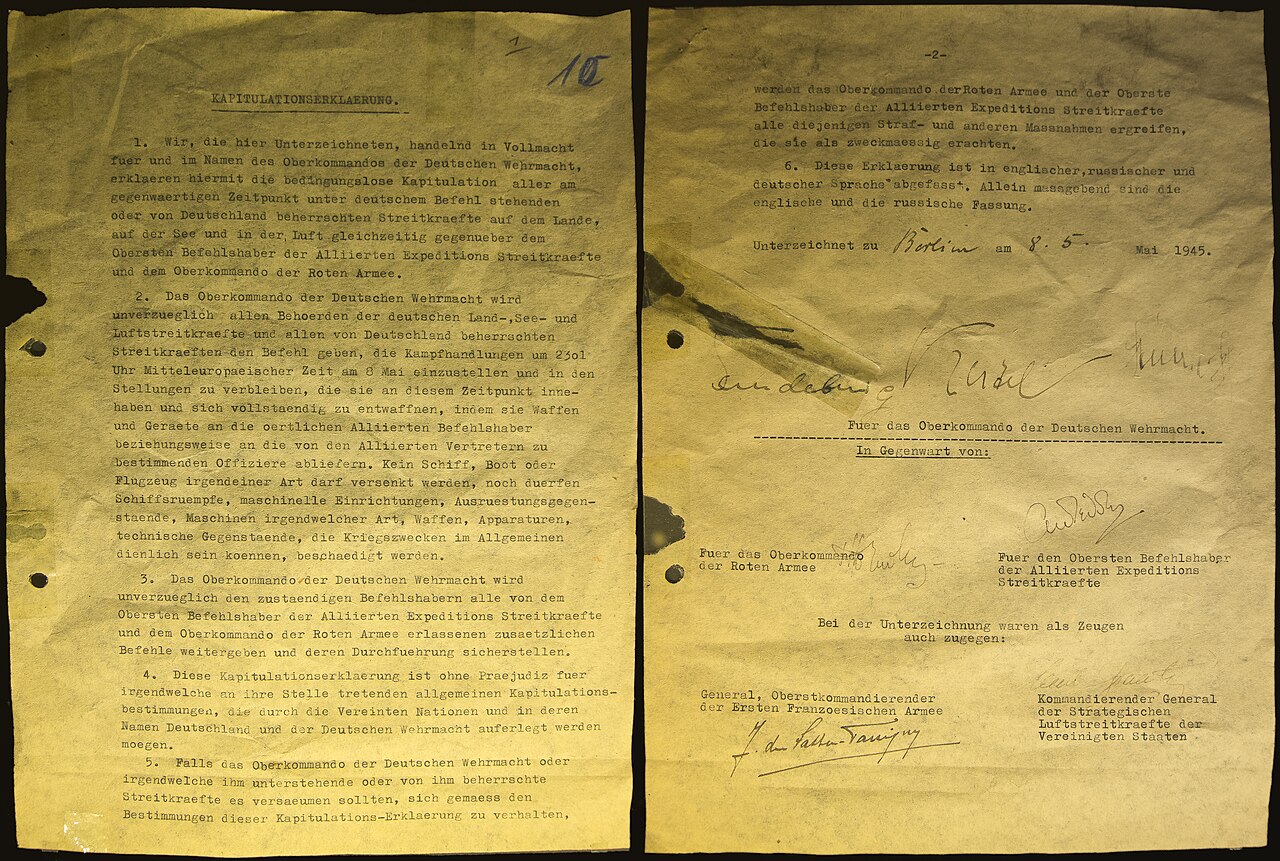


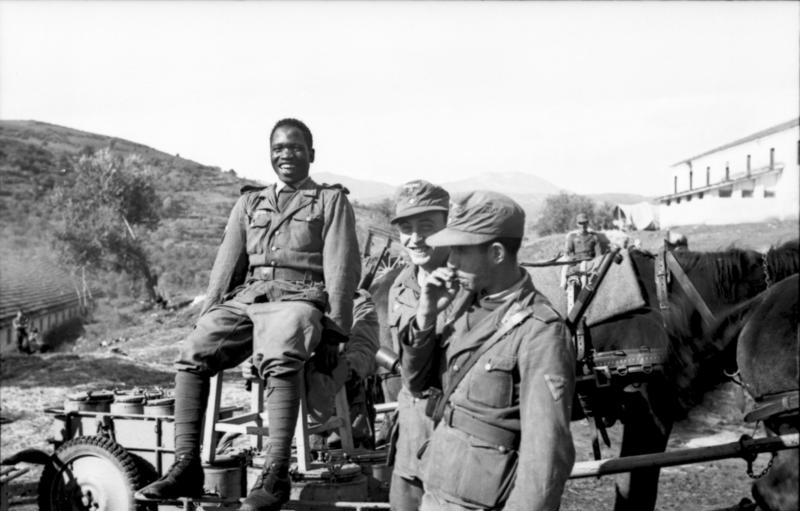

Organization and branches
The Wehrmacht was organized into three primary branches, each with distinct roles and structures:
- Heer (army) — the land forces responsible for infantry, armor and artillery formations.
- Kriegsmarine (navy) — the sea-going service charged with surface fleets, U-boats and coastal operations.
- Luftwaffe (air force) — the aerial arm tasked with air superiority, close air support and strategic bombing.
Command arrangements included high-level staffs such as the Oberkommando der Wehrmacht, with separate supreme commands for each branch. The Wehrmacht emphasized combined-arms cooperation, logistic organization and the rapid coordination of mobility, firepower and reconnaissance.
History and wartime operations
The formation of the Wehrmacht was accompanied by systematic rearmament and the introduction of tactics oriented toward rapid, decisive operations often described by the term Blitzkrieg. From the invasion of Poland to campaigns across Western Europe, the Balkans, North Africa and the vast Eastern Front, Wehrmacht formations conducted major operations that reshaped the course of the war. Technological developments, such as improvements in tanks, naval vessels and aircraft, were matched by developments in doctrine and large-scale mobilization.
Relations with other organizations
Although the regular armed forces formed the core of Germany's military power, other units operated alongside or in parallel. Notably, the Waffen-SS—originating in elements of the Allgemeine SS and associated with leaders such as Heinrich Himmler—remained institutionally separate from the Wehrmacht even as it grew in size and fought on many fronts. Coordination between the Wehrmacht and paramilitary or party-controlled formations could vary with strategic needs and political influence.
Legacy, accountability and postwar developments
The Wehrmacht's conduct during the war, including participation by some units in war crimes and in the implementation of occupation policies, has been subject to extensive historical and legal scrutiny. After 1945 the armed forces were dissolved; the postwar period saw trials, investigations and a long process of historical reassessment. In the 1950s West Germany established the Bundeswehr under democratic civilian control, explicitly distinguishing the new force from its predecessor. The history of the Wehrmacht continues to inform discussions on military ethics, command responsibility and the relationship between armed forces and the state.
For further reading on structure, campaigns and controversies see specialized studies and archival materials available through academic and museum collections. Additional resources are indicated in source and reference listings: context, branch overviews, army history, naval history, naval operations, air force studies, air doctrine, Waffen-SS background, key figures, SS organization and World War II overviews.
Questions and answers
Q: What was the Wehrmacht?
A: The Wehrmacht was the unified armed forces of Nazi Germany from 1935 to 1945.
Q: What were the three branches of the Wehrmacht?
A: The three branches of the Wehrmacht were the Heer (army), the Kriegsmarine (navy), and the Luftwaffe (air force).
Q: What was the Waffen-SS?
A: The Waffen-SS was an armed section of Heinrich Himmler's Allgemeine SS that grew to nearly a million strong during World War II.
Q: Was the Waffen-SS part of the Wehrmacht?
A: No, the Waffen-SS was not part of the Wehrmacht.
Q: Was the Waffen-SS subject to the Supreme Command of the Wehrmacht?
A: Yes, the Waffen-SS was subject to the Supreme Command of the Wehrmacht.
Q: Who was Heinrich Himmler?
A: Heinrich Himmler was a high-ranking official in Nazi Germany and the leader of the Schutzstaffel (SS).
Q: How large did the Waffen-SS grow during World War II?
A: The Waffen-SS grew to nearly a million strong during World War II.
Related articles
Author
AlegsaOnline.com Wehrmacht: the armed forces of Germany, 1935–1945 Leandro Alegsa
URL: https://en.alegsaonline.com/art/107131