
History of Christianity
A concise overview of Christianity’s origins, development, major branches, doctrines, global spread, and key figures and places that shaped its history.
The history of Christianity describes the emergence and growth of a religion founded on the life, teachings, death and claimed resurrection of Jesus of Nazareth. What began in the 1st century CE as a small movement within Judaism soon became a distinct religious community. Early disciples and missionaries established congregations across Judea, the eastern Mediterranean and the Roman Empire, and over centuries the faith developed a range of doctrines, institutions and cultural expressions.
Image gallery
10 Images
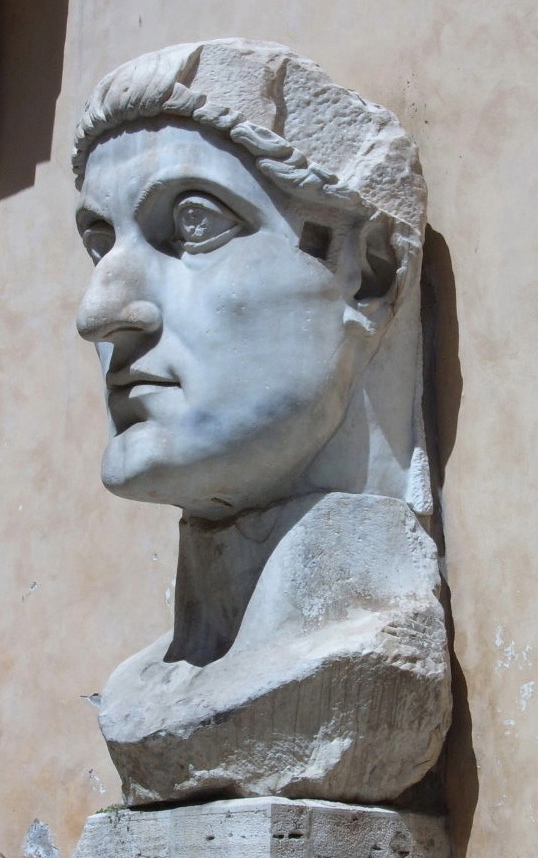


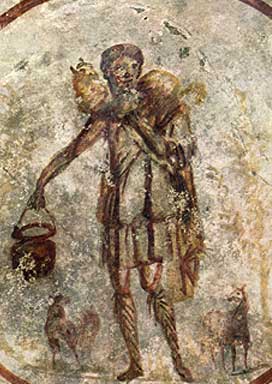
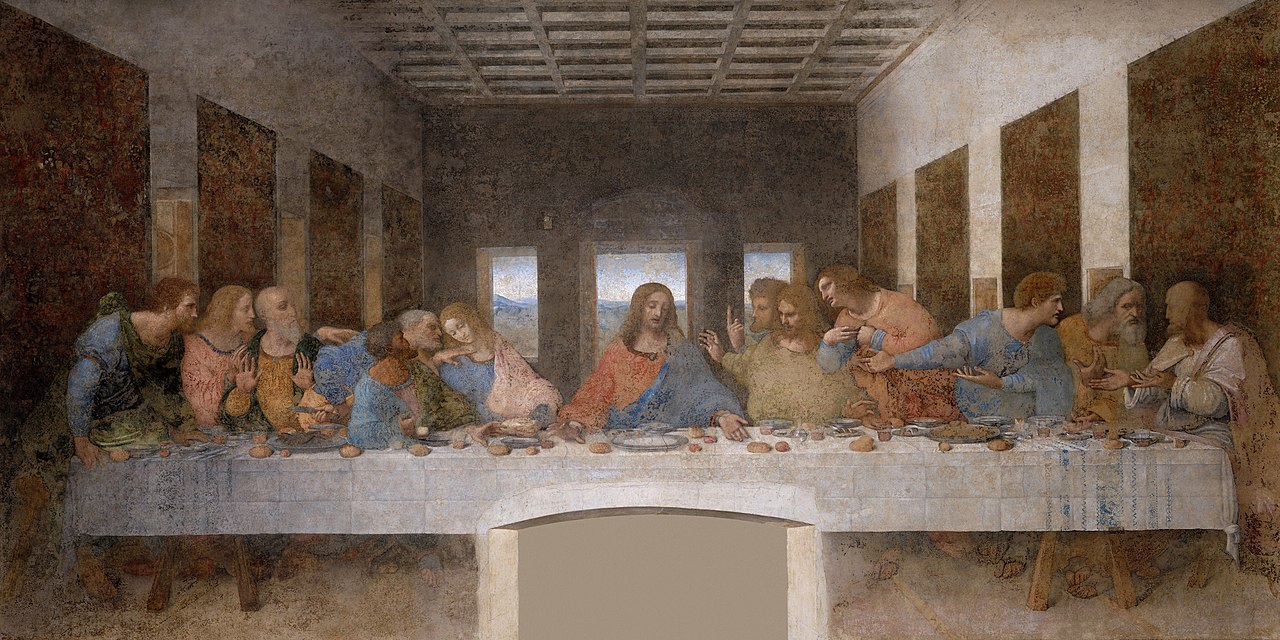
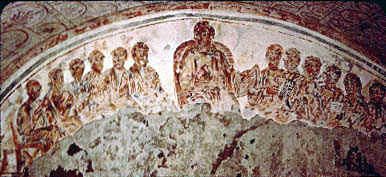
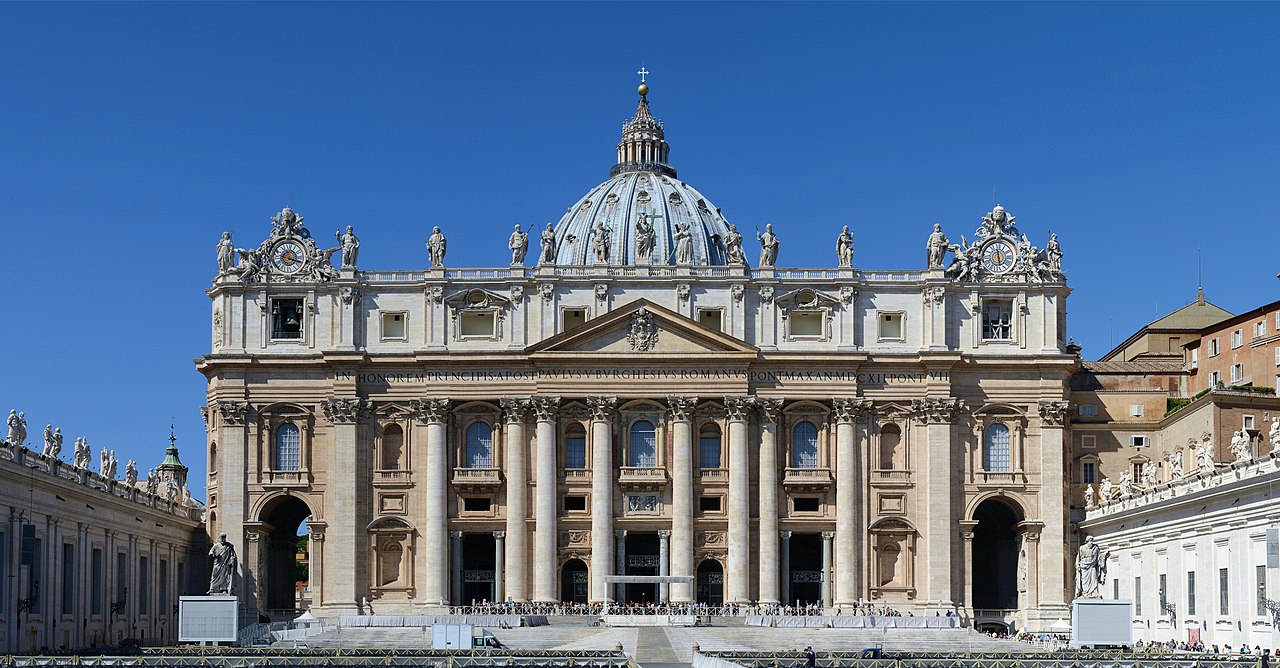

Origins and early expansion
Christianity took shape in the context of Second Temple Judaism. Followers of Jesus, including the twelve apostles and other disciples, preached that he was the Messiah and called people to repentance and ethical reform. Early decisions about how non-Jewish converts might join the movement—most notably addressed in gatherings such as the Council of Jerusalem—helped the community grow beyond Jewish ethnic boundaries. Persecutions and conflicts with some Jewish authorities and Imperial officials occurred, and accounts of early martyrs and missionary journeys helped spread belief in Jesus throughout the Mediterranean world.
Doctrine, worship and institutions
Over time the movement produced an authoritative collection of scriptures, liturgical practices, and theological formulations. Worship commonly centers on baptism and the Eucharist (Communion), and most traditions recognize a creedal summary of beliefs about the nature of God and Christ established by ecumenical councils. Clergy, episcopal structures, monasteries and schools became important for teaching, pastoral care and preserving texts. The development of theology and canon law continued through debates about Christology, the Trinity and other matters.
Schisms, reform and major branches
Christianity has experienced divisions and reform movements that shaped its landscape. The early centuries saw doctrinal controversies resolved at ecumenical councils; later large-scale splits produced the principal families of churches: the Roman Catholic Church in Western Europe, the Eastern Orthodox communion centered in Byzantium and later national churches, the Oriental Orthodox bodies that separated earlier over Christological disputes, and numerous Protestant traditions that emerged after the 16th-century Reformation. Each branch preserved core Christian claims while differing in theology, liturgy and governance.
Global spread and cultural impact
From the Middle Ages onward Christianity spread through conversions, political change and missionary activity into Northern and Eastern Europe, Russia, Africa, the Americas and Asia. During the Age of Exploration and colonial periods missionaries established churches and institutions worldwide. Christianity has influenced art, education, law, social welfare, and public holidays, and today it remains the largest single religious tradition in terms of adherents, expressed in great diversity of languages and cultures.
Key names, places and terms
- Christianity: the faith and practices rooted in Jesus.
- religion: a system of belief and worship.
- church: organized congregations and institutions.
- Jesus: central figure whose life and teaching are foundational.
- apostles: early messengers and leaders who spread the message.
- death: crucifixion is a focal event in Christian narratives.
- resurrection: claim that Jesus rose, central to Christian hope.
- small group: early Christian communities were initially compact.
- Judea: region where the movement began.
- Roman Empire: the political framework for early expansion.
- persecution of Christians: periodic opposition by authorities.
- state religion: later adoption by some empires and kingdoms.
- Middle Ages: period of institutional consolidation in Europe.
- Northern Europe: region converted during medieval centuries.
- schisms: formal splits within the church.
- theological: relating to doctrines and beliefs.
- Oriental Orthodoxy: family of ancient eastern churches.
- Protestant churches: traditions that emerged from Reformation critiques.
- ethnically: many early adherents were Jewish by ethnicity.
- proselytes: converts from other groups.
- St. Peter: an influential early leader in tradition and history.
- Council of Jerusalem: early meeting addressing Gentile converts.
- martyrdom: witness unto death that inspired later believers.
- Stephen: traditionally counted among the first Christian martyrs.
- synagogues: Jewish places of assembly that related to early churches.
- Christian: name applied to followers of Christ.
- Greek: language important for early Christian writings and terms.
- disciples: learners and followers of Jesus who formed the first communities.
- Antioch: an early center where the name "Christian" was first used.
Questions and answers
Q: What is Christianity?
A: Christianity is the religion that is based on the birth, life, death, resurrection and teaching of Jesus Christ.
Q: When did Christianity begin?
A: Christianity began in the 1st century CE after Jesus died and was resurrected.
Q: How did Christianity spread?
A: Starting as a small group of Jewish people in Judea, it spread quickly throughout the Roman Empire. During the Age of Exploration, it expanded throughout the world and is currently the largest religion of the world.
Q: What are some branches of Christianity?
A: The four main branches of Christianity are Roman Catholic Church, Eastern Orthodox churches, Oriental Orthodoxy and Protestant churches.
Q: Who were some early Christians?
A: Most early Christians were ethnically Jewish or Jewish proselytes. There were also non-Jewish converts who had to decide if they had to "become Jewish" before becoming Christian.
Q: What led to a distinct identity for Christianity from Judaism?
A: The doctrines of the apostles brought Early Church into conflict with some Jewish religious authorities which eventually led to martyrdom and expulsion from synagogues thus giving Christianity its own distinct identity from Judaism.
Q: Where does the name "Christian" come from? A: The name "Christian" (Greek Χριστιανός) was first used for disciples in Antioch as recorded in Acts 11 :26.
Related articles
Author
AlegsaOnline.com History of Christianity Leandro Alegsa
URL: https://en.alegsaonline.com/art/44461