
History of Iran
Survey of Iran’s history from ancient civilizations through imperial dynasties to the 1979 Islamic Revolution and the modern Islamic Republic, highlighting major periods, cultural contributions, and historical significance.
Overview
Iran occupies a central place in world history as the core of one of the globe's oldest continuous civilizations. Human settlements and urban life in the Iranian plateau date back to the fourth millennium BC. Over millennia the region developed complex state systems, sophisticated arts and sciences, and a string of empires that shaped large parts of West and Central Asia.
Image gallery
10 Images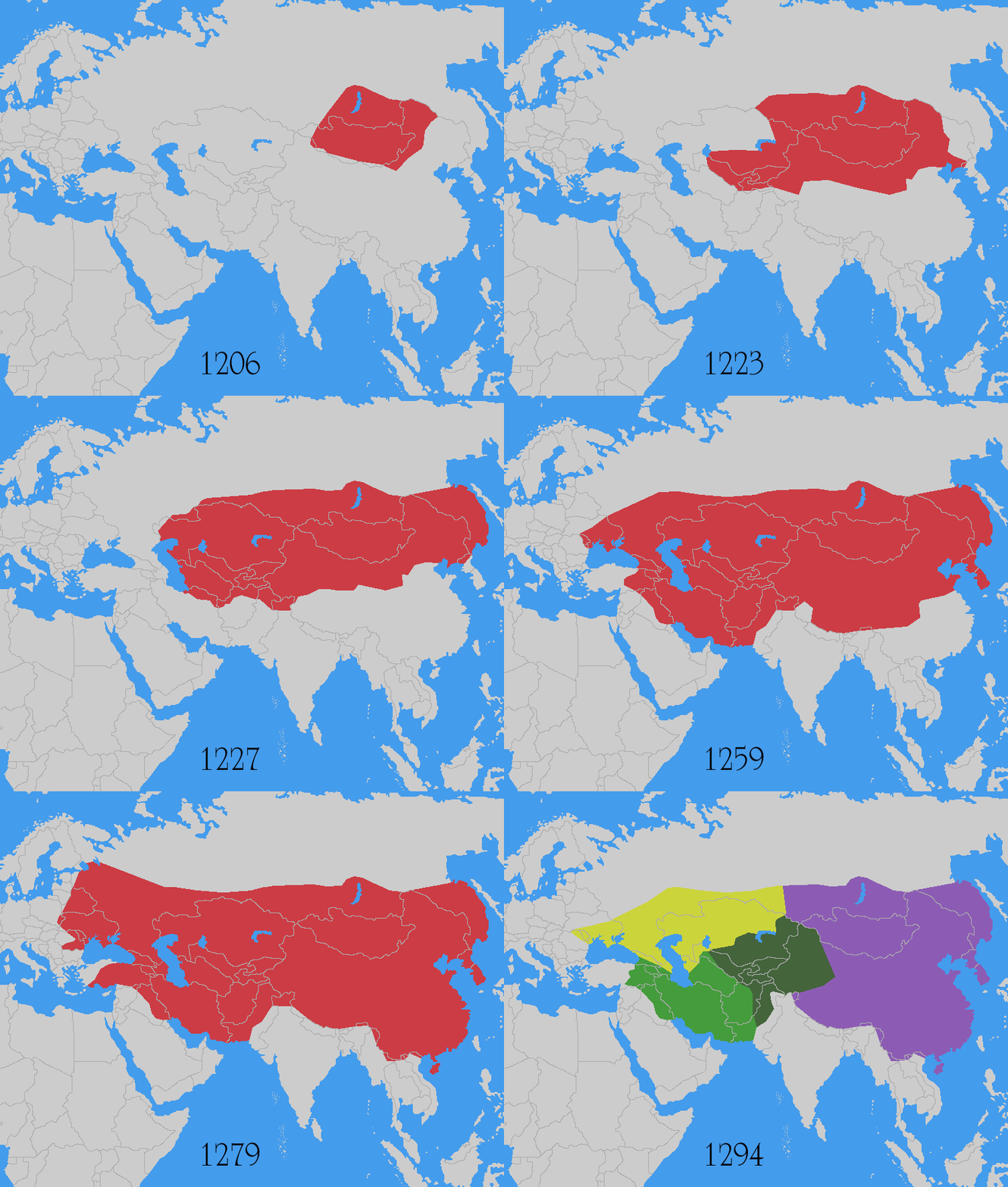
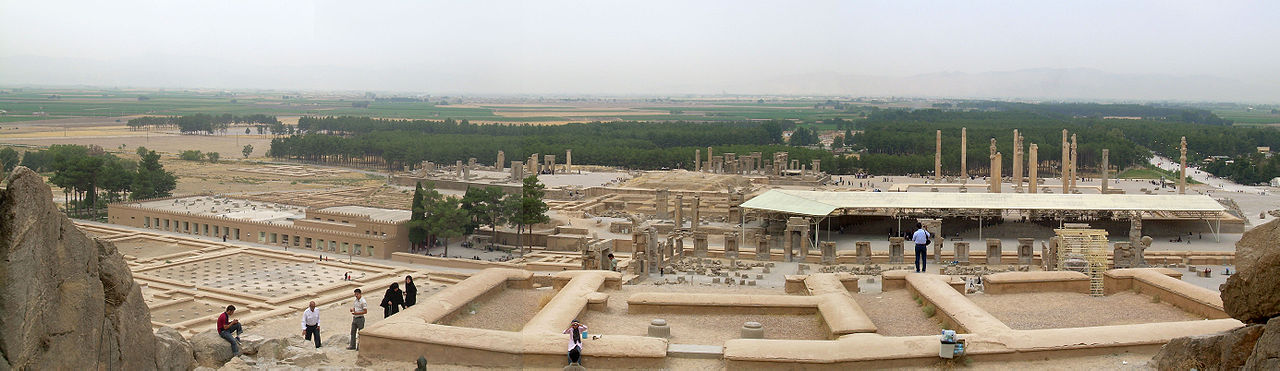




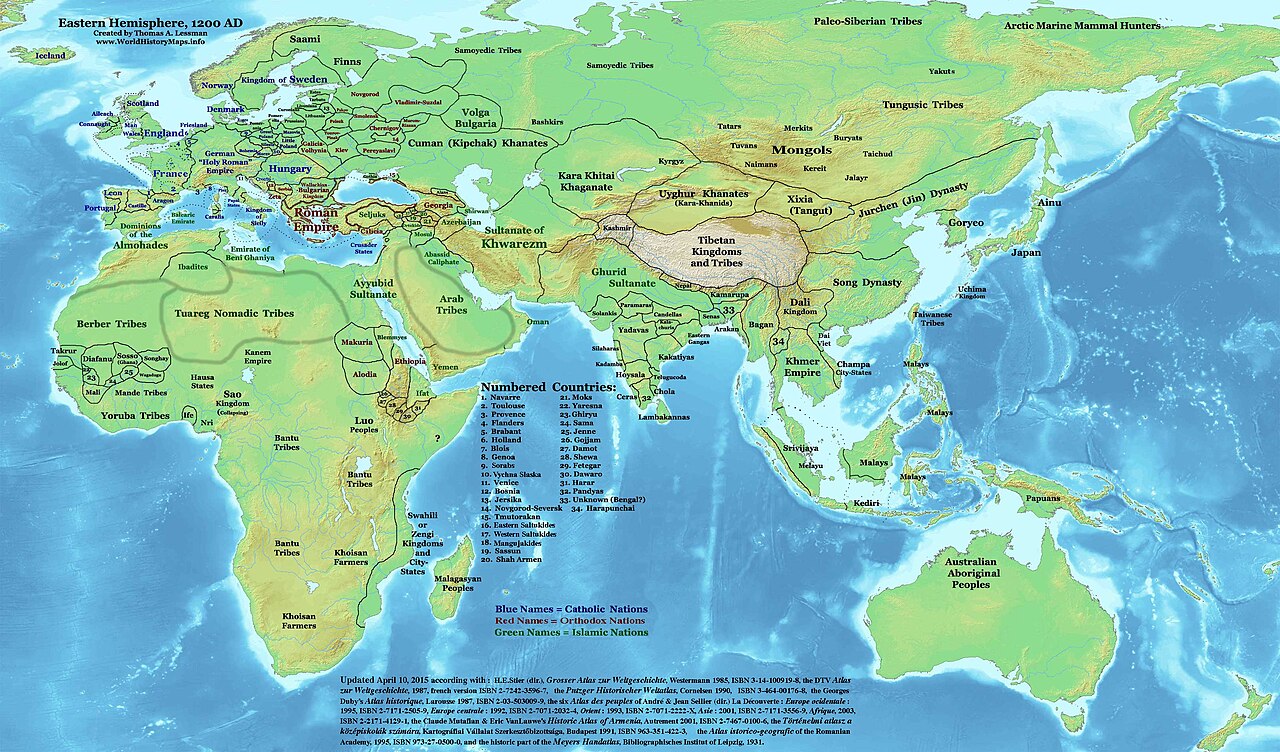

Major historical periods
- Ancient kingdoms and empires: early Elamite states, the Medes and the Achaemenid Empire.
- Classical and late antique eras: Hellenistic influence after Alexander, Parthian and Sassanian rule.
- Islamic era: the Arab conquest, medieval Islamic dynasties, and the cultural florescence of Persian literature and science.
- Early modern to modern: the Safavid transformation, later Qajar and Pahlavi rule, and the 1979 Revolution.
Ancient and imperial foundations
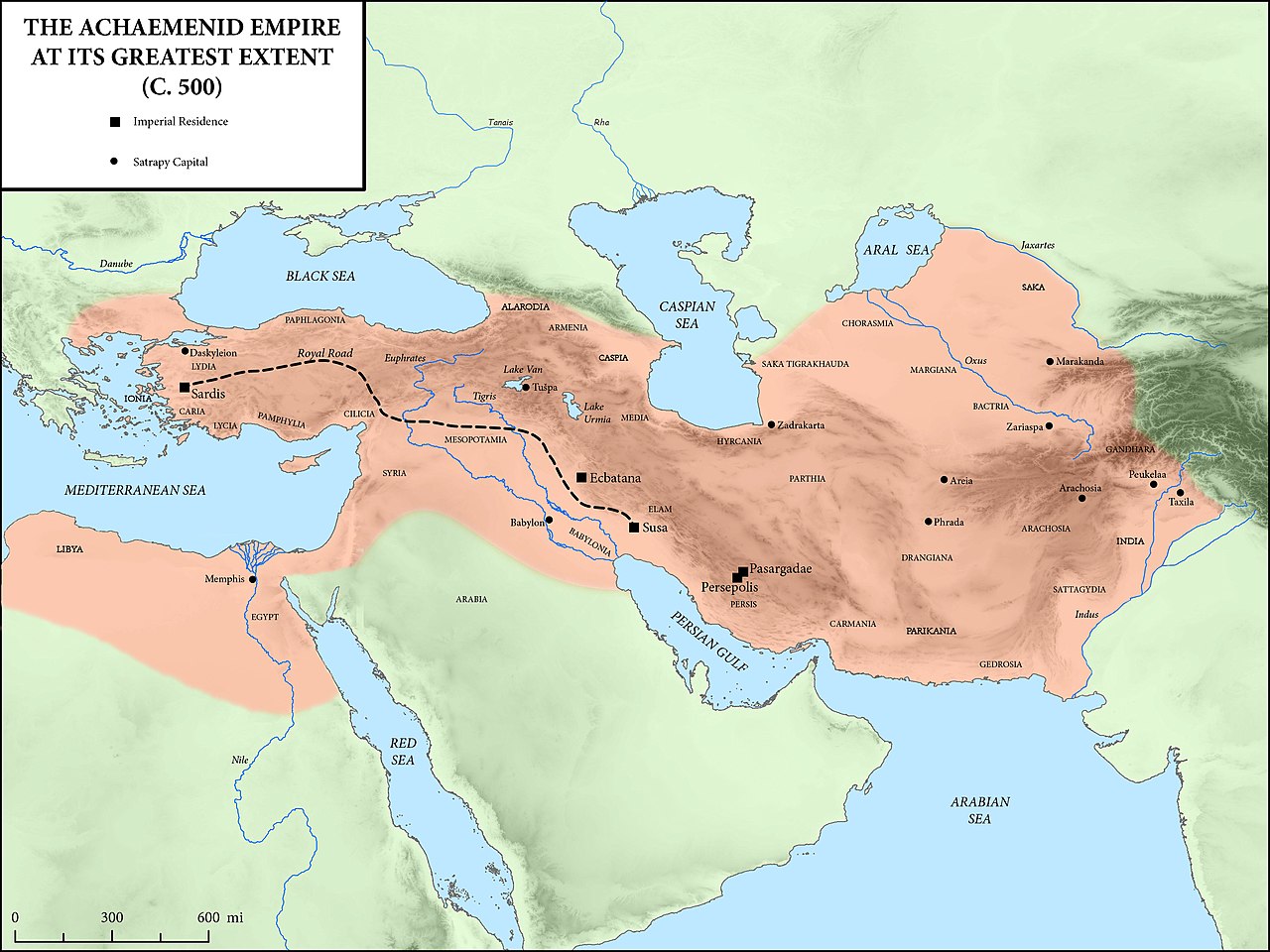
By the first millennium BC the Iranian plateau hosted powerful polities. The Medes played a role in consolidating regional kingdoms into larger political units; scholars often point to the rise of Median power in the 7th century BC as a formative moment (Medes). Soon after, the Achaemenid Empire founded by rulers such as Cyrus and Darius created a multiethnic imperial structure with administrative and road networks that connected distant provinces.
Late antiquity and the Islamic transition
The Parthian and Sassanian empires continued Persian state traditions and engaged with neighboring Rome and Byzantium. The Sassanian state was the dominant power in the region until the mid-7th century AD, when the Islamic conquest brought major political and religious change and ended Sassanid rule (Sassanid Empire). Over subsequent centuries Iranian lands became a center of Islamic civilization, producing influential scholars, poets, and architects, while local languages and cultural forms remained important.
Early modern developments and modern state formation
In the early modern period the Safavid dynasty established Twelver Shiʿism as the state religion in the early 16th century, a turning point that shaped Iran's religious identity and political alignments. Later centuries saw intermittent foreign interventions and internal reform efforts. The 20th century brought rapid change: centralizing and modernization efforts under the Pahlavi monarchy led to social and economic transformation, but also political tensions that culminated in the upheaval of 1979 and the establishment of a new republican system following popular protests (1979 Islamic revolution).
Contemporary era and legacy
On 1 April 1979 Iran formally adopted the Islamic Republic model (Islamic Republic), marking a definitive shift in governance and foreign policy. Contemporary Iran remains geopolitically significant, with a layered identity that combines pre-Islamic heritage, Persian language and literature, Islamic theology and jurisprudence, and modern political developments. Its historical legacy includes contributions to administration, architecture, mathematics, medicine, and poetry that have influenced neighboring regions and world culture.
Notable distinctions
Two often-cited features distinguish Iran's history: its longevity as a center of settled civilization and the enduring influence of Persian language and culture across different regimes. The name "Persia" is historically familiar in many languages, but "Iran" has been the local name for centuries; both terms are used in different contexts when discussing the country’s past.
For further reading on specific dynasties, cultural achievements, and regional interactions, consult dedicated surveys and primary-source translations that trace political, social, and intellectual continuities across Iran’s long history.
Questions and answers
Q: How long has Iran been home to one of the world's oldest continuous major civilizations?
A: Iran has been home to one of the world's oldest continuous major civilizations since historical and urban settlements dating back to 4000 BC.
Q: Who unified Iran as a nation and empire in 625 BC?
A: The Medes unified Iran as a nation and empire in 625 BC.
Q: What was a significant turning point in Iranian history?
A: The Islamic conquest of Persia (633–656) and the end of the Sassanid Empire was a significant turning point in Iranian history.
Q: What was the form of government that ruled Iran without interruption from 1501 until the 1979 Islamic revolution?
A: Iran had been a monarchy ruled by a shah, or emperor, almost without interruption from 1501 until the 1979 Islamic revolution.
Q: When did Iran officially become an Islamic Republic?
A: Iran officially became an Islamic Republic on 1 April 1979.
Q: What was the reason for the 1979 Iranian Revolution?
A: The 1979 Iranian Revolution was mainly a response to the Shah's autocratic rule, corruption, and western influence.
Q: How did the Islamic Revolution impact Iranian government?
A: The Islamic Revolution established Iran as an Islamic Republic with Ayatollah Ruhollah Khomeini as the Supreme Leader, and introduced new laws based on Islamic principles.
Related articles
Author
AlegsaOnline.com History of Iran Leandro Alegsa
URL: https://en.alegsaonline.com/art/44470
Sources
- news.xinhuanet.com : Xinhua, "New evidence: modern civilization began in Iran", 10 Aug 2007
- britannica.com : britannica.com
- britannica.com : Iran Islamic Republic
- britannica.com : Encyclopædia Britannica
- jstor.org : "Elamites and Kassites in the Persian Gulf"