
History of Curitiba: from indigenous lands to a model of urban planning
A concise history of Curitiba, capital of Paraná, tracing indigenous roots, colonial settlement, 19th-century growth, 20th-century planning innovations and its contemporary cultural and environmental significance.
The history of Curitiba traces a transformation from pre-colonial indigenous territory to the capital of Brazil's Paraná state and an internationally noted example of urban planning. Located in southern Brazil on a high plateau, Curitiba's development reflects agricultural beginnings, waves of immigration, industrialization and deliberate civic design that reshaped its streets and public spaces.
Image gallery
6 Images


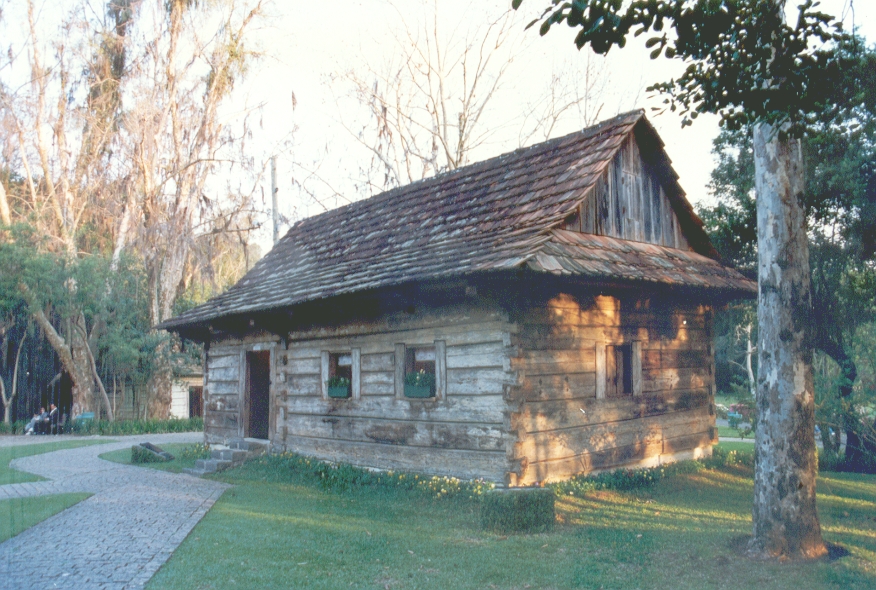


Origins and colonial era
Before European contact the region was inhabited by indigenous groups related to the Tupi-Guarani cultural family. Portuguese explorers and settlers arrived gradually, establishing small farming and cattle-ranching settlements. Over time a town grew around a modest church and market; its economy depended on local crops, cattle and the trade in erva-mate (ground yerba maté), an important regional commodity. Gradual administrative changes in the 18th and 19th centuries elevated its role as a local center of commerce and governance.
In the 19th century Curitiba experienced faster growth. The area attracted immigrants from Europe and the Middle East, including Germans, Italians, Poles and Ukrainians, who contributed to its cultural diversity and craft, agricultural and industrial skills. As transportation links improved, the town expanded into a regional hub for trade, services and small industry.
Modern urban planning and legacy
During the 20th century Curitiba became known for intentional planning. Municipal leaders and planners emphasized public transport, green space and compact growth to manage rapid urbanization. Notable innovations included a structured bus system that later inspired the concept of bus rapid transit, extensive parkways that control floods and provide recreation, and zoning policies intended to concentrate commerce along major corridors.
Today Curitiba is recognized for its mix of cultural institutions, parks and an economy combining manufacturing, services and education. It is often cited in discussions of sustainable urban design and municipal innovation, though it also faces ongoing challenges common to growing cities such as social inequality and housing demand.
- Diverse origins: indigenous roots and immigrant contributions.
- Economic shifts: from agriculture and erva-mate to industry and services.
- Urban innovation: parks, zoning and a pioneering bus system.
For an introduction to the city's past and planning legacy, see local histories and municipal archives that document how Curitiba's landscape and policies changed across centuries.
Related articles
Author
AlegsaOnline.com History of Curitiba: from indigenous lands to a model of urban planning Leandro Alegsa
URL: https://en.alegsaonline.com/art/44463
Sources
- caestamosnos.org : "316º Aniversário de Curitiba - PR - Brasil"
- curitiba.pr.gov.br : "IMIGRAÇÃO"
- expoente.com.br : "História da Imigração Alemã"
- najmici.net : "Proces dekulturyzacji polskiej w Brazylii"
- portal.rpc.com.br : "Dante Mendonça lança livro sobre a história e o humor dos imigrantes poloneses"
- curitiba-parana.net : "Imigração e Cultura Italiana em Curitiba"
- rius.kiev.ua : "Українці м.Курітіба (штат Парана, Бразилія)"
- curitiba-parana.net : "Memorial da Imigração Ucraniana"
- www3.pr.gov.br : "Etnias"
- curitiba-parana.net : "Praça do Japão"
- weber.ruiz.googlepages.com : "Imigração no Paraná"
- curitiba-parana.net : "Parque do Bacacheri"
- brasilien.de : "Die ökologische Hauptstadt - ein Model für Lebensqualität"
- curitiba.pr.gov.br : "The Agache Plan"
- mcachicago.org : "Urban Economies"