
History of England
A structured overview of England’s history from prehistoric settlement and Roman rule through medieval, early modern, industrial and modern periods, highlighting political, social and cultural developments.
Overview
England's history stretches from prehistoric communities and Roman rule to the creation of a distinct kingdom, overseas empire and a modern state. Its long development includes settlement and migration, conflicts over sovereignty and religion, commercial expansion, industrial transformation and the growth of parliamentary institutions that influenced many other countries.
Image gallery
10 Images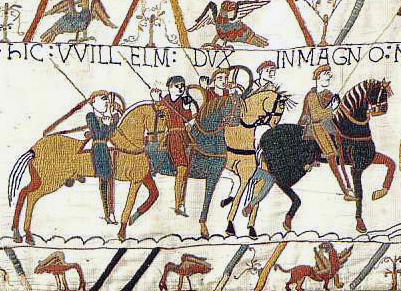




Prehistory and Roman Britain
Human presence in what became England dates to the Palaeolithic and Mesolithic eras, later evolving into farming societies in the Neolithic and Bronze Age. The Roman conquest in the 1st century CE created towns, roads and administrative structures and introduced new technologies and legal practices. Roman authority receded in the early 5th century, leaving a landscape of competing local groups.
Anglo-Saxon, Viking and Norman eras
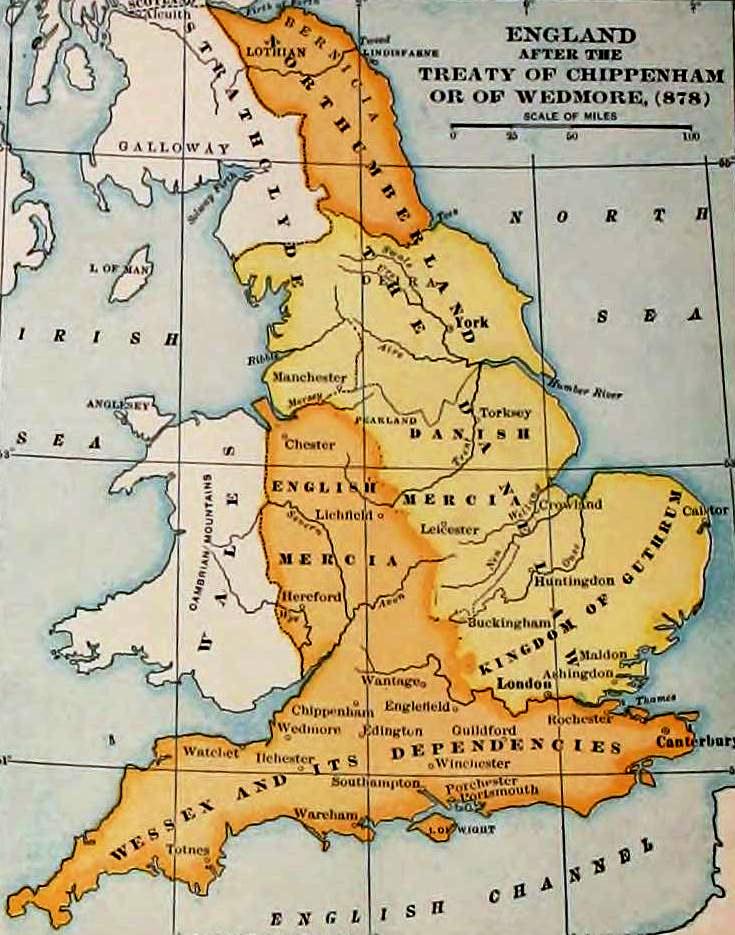
From the 5th century, Germanic-speaking peoples (Anglo-Saxons) established several kingdoms that gradually coalesced into the Kingdom of England. Viking raids and settlement from the late 8th century onward altered political and cultural life, especially in the north and east. The Norman Conquest of 1066 was a turning point: it reorganised landholding, law and governance and linked England more closely to continental politics.
Medieval monarchy and law
The medieval centuries saw the consolidation of royal power, the growth of common law and the emergence of political institutions. Key moments include the sealing of the Magna Carta in 1215, which placed limits on royal authority, and prolonged conflicts such as the Hundred Years' War. Dynastic change and feudal relations shaped society and culture.
Early modern transformations
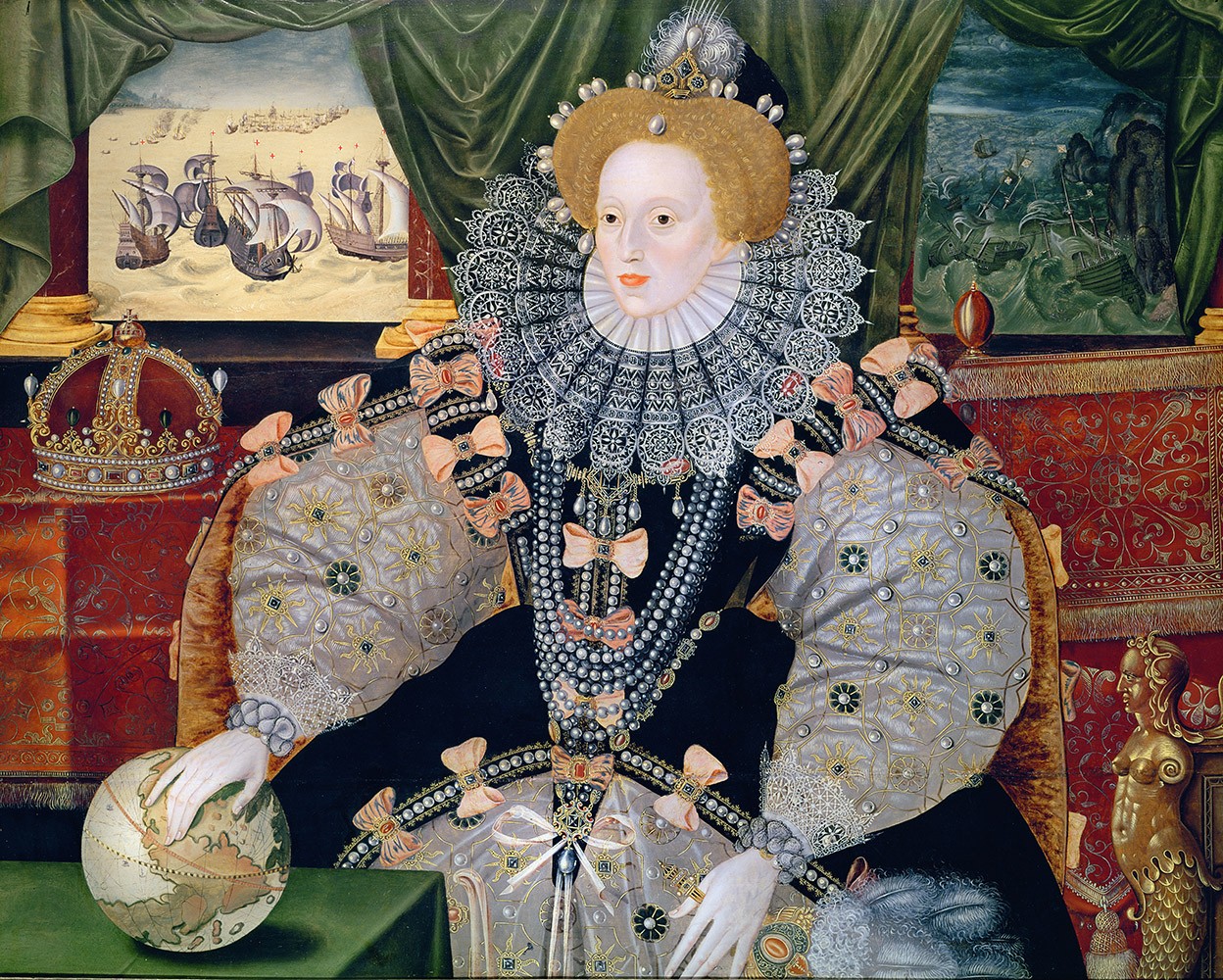
The Tudor and Stuart periods brought religious reformation, centralisation of government and the expanding role of Parliament. Religious divisions and arguments over the balance of power produced the English Civil War in the 17th century, the temporary abolition of the monarchy, and later the Glorious Revolution, which further constrained royal power and reinforced parliamentary sovereignty.
Industrialisation, empire and the 19th century
From the late 18th century England was a centre of the Industrial Revolution, with new manufacturing methods, transport networks and urban growth. These economic changes underpinned the expansion of trade and the British overseas empire during the 19th century, shaping global commerce, migration and cultural influence.
Twentieth century to the present
Two world wars in the 20th century had profound social and political effects, accelerating change at home and weakening imperial control. The post-war period saw creation of the welfare state, decolonisation and immigration that made society more diverse. In recent decades constitutional reforms, economic shifts and debates over regional devolution and national identity have continued to shape England as part of the United Kingdom.
Major themes and legacies
- Continuity and change in government: from local kingship to parliamentary democracy.
- Legal and institutional influence: development of common law and administrative practices.
- Economic transformation: agricultural, industrial and commercial revolutions.
- Cultural and linguistic global impact: the English language and cultural institutions spread worldwide.
- Complex social history: class, religion, migration and regional diversity have continually reshaped English society.
Questions and answers
Q: What is the history of England?
A: The history of England refers to the period of time that encompasses the emergence and growth of England, from the arrival of early settlers to the modern age.
Q: Who are the early settlers in England?
A: The early settlers in England are believed to be the Celts, who arrived from continental Europe in the Bronze Age.
Q: What was the influence of the Roman Empire on England's history?
A: The Roman Empire had a significant influence on England's history, as they invaded and ruled over England for centuries, bringing about major changes in culture, language, and government.
Q: What was the importance of the Battle of Hastings in England's history?
A: The Battle of Hastings in 1066 marked a major turning point in English history, as it led to the Norman Conquest of England and the establishment of the Normans as the ruling class.
Q: Who were the Tudors and what role did they play in England's history?
A: The Tudors were a royal dynasty that ruled England from 1485 to 1603, and played an important role in shaping the country's cultural, political, and religious landscape during the Renaissance period.
Q: What was the significance of the English Civil War?
A: The English Civil War, which took place in the mid-17th century, was a major conflict between the monarchy and parliament, and resulted in the execution of King Charles I and the establishment of a republican government for a time.
Q: What was the impact of the Industrial Revolution on England?
A: The Industrial Revolution, which occurred in the late 18th and early 19th centuries, had a profound impact on England's history, as it led to the growth of manufacturing, urbanization, and social change, and paved the way for the country's emergence as a major world power.
Related articles
Author
AlegsaOnline.com History of England Leandro Alegsa
URL: https://en.alegsaonline.com/art/44464
Sources
- books.google.com : vol. 1