
Christianity: beliefs, history, practices, and global influence
Christianity is an Abrahamic monotheistic religion based on the life and teachings of Jesus of Nazareth. It developed from Judaism, comprises diverse traditions, and has more than two billion adherents worldwide.
Christianity is an Abrahamic, monotheistic faith centered on the life, teachings and person of Jesus Christ. Its followers are commonly called Christians. Christian identity and practice are shaped by a conviction that God acts personally in history and that salvation is offered through the work and authority of God. The religion emerged from a first‑century Jewish milieu (Judaism) in the eastern Mediterranean and developed distinct scriptures, institutions and worship patterns over subsequent centuries.
Image gallery
10 Images


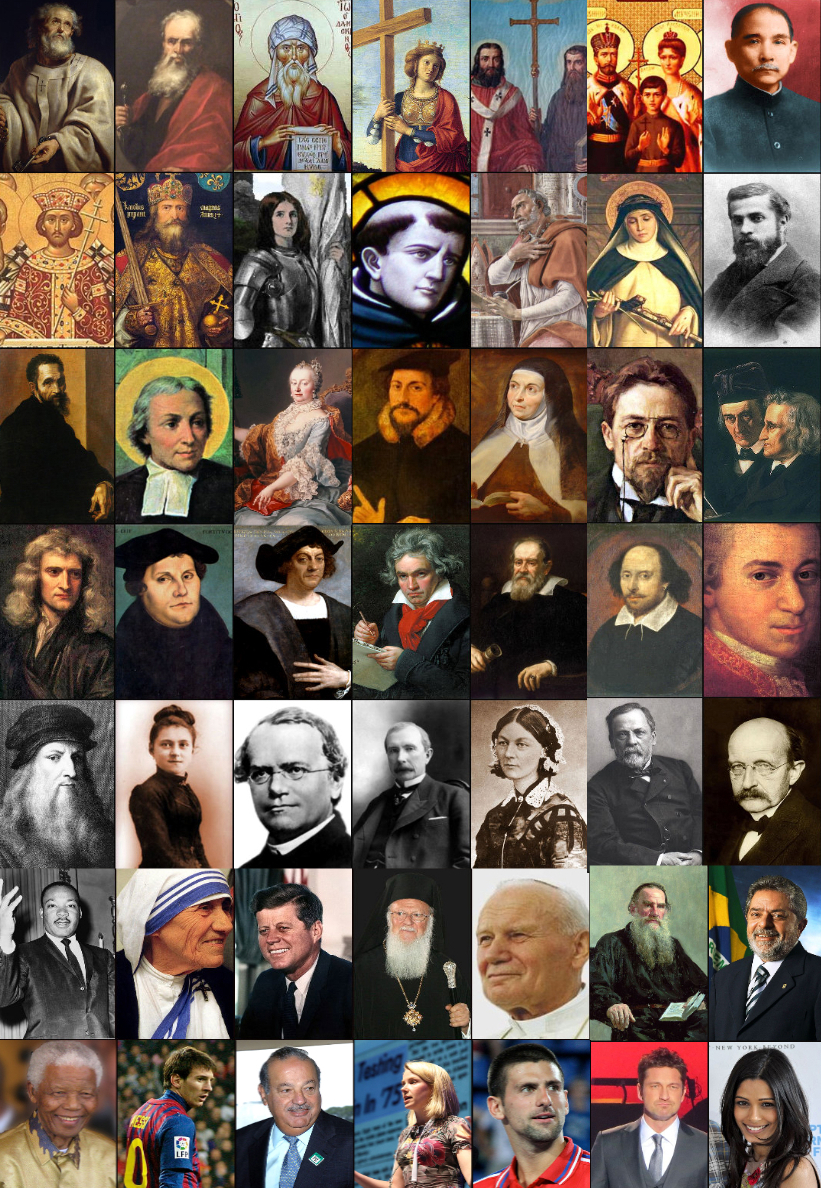


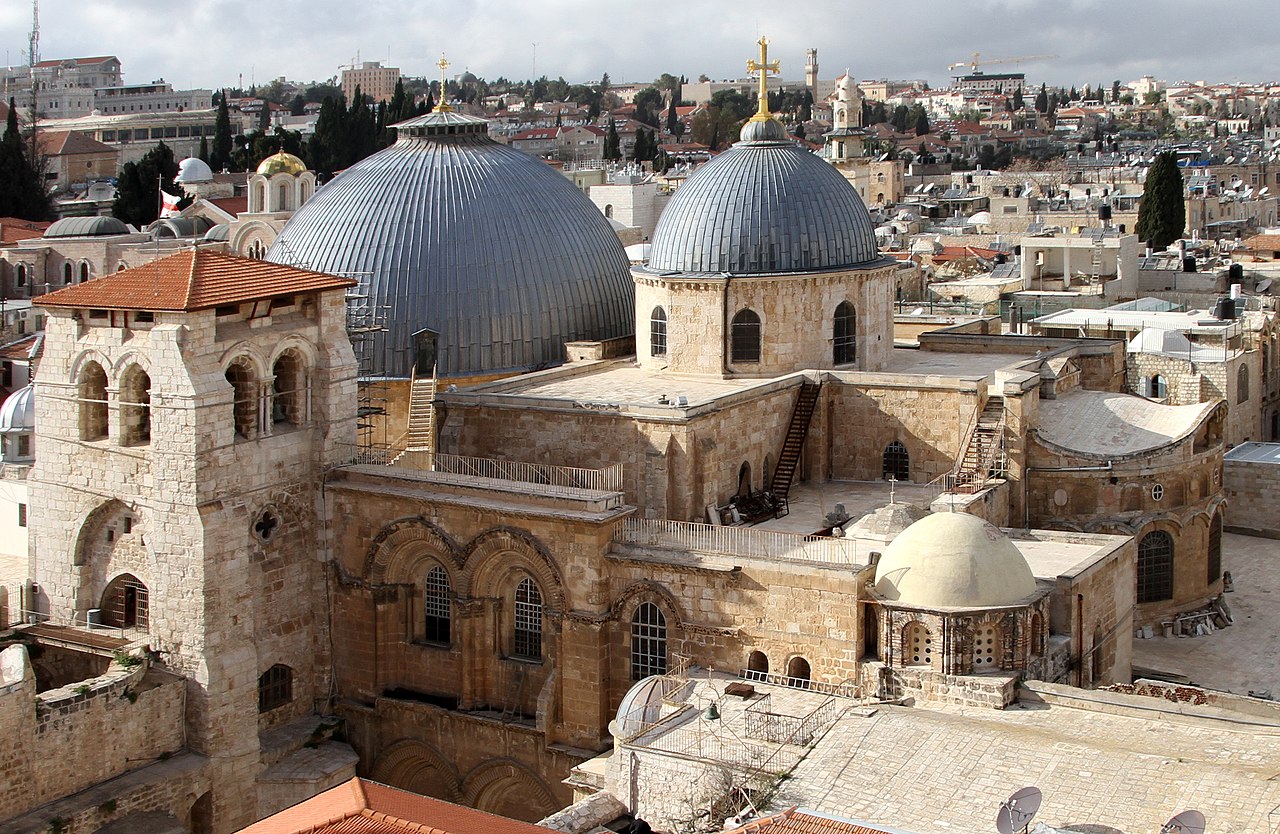
Core beliefs
Most Christian traditions affirm belief in one God (monotheism, the only God) who exists in a three‑person communion known as the Trinity: Father, Son and Holy Spirit. Central to Christian faith is the conviction that Jesus is the incarnate Son of God, both fully human and fully divine, born of the Virgin Mary, and in human terms associated with a family that included Joseph, traditionally portrayed as a carpenter (Joseph). Christians hold that Jesus lived a life of teaching and healing in first‑century Judea, was tried under Pontius Pilate, was executed by crucifixion, and that his death and suffering address human sin. The conviction that he was raised from the dead (resurrection), later ascended to Heaven, and will return (second coming) is central to Christian hope and eschatology.
Scripture and revelation
The canonical scriptures for most Christians are collected in the Bible, conventionally divided into an Old Testament (the Hebrew scriptures) and a New Testament. The first four books of the New Testament, the Gospels, narrate Jesus’ life, teaching, death and resurrection. Christians typically regard the Bible as sacred scripture and as a primary source for doctrine and moral teaching. Early Christian interpreters read passages in earlier prophetic writings as having anticipated a coming Savior, while also emphasizing Jesus as a teacher and moral exemplar who revealed the character of the Christian God. Comparative attention to other Abrahamic faiths such as Islam highlights shared themes and divergent claims about prophecy and revelation.
Worship, sacraments and communal life
Christian worship takes many forms but commonly includes prayer, reading of scripture, preaching, and communal rites. Two rites are especially widespread across traditions: baptism, which marks initiation into the Christian community, and the Eucharist (also called Communion or the Lord’s Supper), which commemorates Jesus’ words and actions at the Last Supper. Churches vary in their theological accounts of sacraments and in liturgical style, from highly formal sacramental liturgies to informal prayer meetings. Acts of charity, education and mission have long been integral to Christian communal life and witness (missionary work).
Historical development and global spread
Christianity began as a movement within Judaism (a Jewish sect) and spread through the Roman world and beyond. By the fourth century it became a dominant religion of the Roman Empire. Early state adoptions include Armenia under King Tiridates III and the Kingdom of Aksum. During the Middle Ages, much of Europe became Christianized (Christianized), while long‑standing Christian communities continued in the Middle East, North Africa and parts of India. From the era of the Age of Discovery, European expansion and colonization carried Christianity to the Americas, Africa and other regions, often accompanied by organized missionary effort (missionary work). Over centuries Christian doctrine, institutions and cultural forms evolved through councils, theological debate and local adaptation.
Denominations and diversity
Contemporary Christianity comprises a wide family of communions, denominations and movements. Major branches commonly named are Roman Catholicism, Eastern Orthodoxy and Protestantism, though many other traditions exist (including Anglican, Oriental Orthodox and numerous independent churches). Differences among these groups involve questions of authority, ecclesial structure, liturgy, sacramental theology and interpretation of scripture. Despite diversity, many Christians share core convictions about Jesus, the authority of scripture and the importance of communal worship and moral life. The history of Christianity also includes reform movements and periodic efforts at ecumenical dialogue aimed at greater unity.
Social and cultural influence
Christianity has been a major influence on art, music, education, law and social services in many societies. Churches and Christian organizations have founded hospitals, schools and charitable agencies that continue to serve diverse communities. Christian festivals and the liturgical calendar shape public life in many countries; Christian ethical teachings inform debates on social issues. In the contemporary world, Christians engage with challenges such as secularization, pluralism and questions about the role of religion in public life, while also participating in global conversations on human rights, ecology and social justice.
Demographics and contemporary presence
As a global religion, Christianity is present in virtually every region of the world. Modern estimates place Christian populations in the billions; exact figures vary by source and method of counting but the religion remains one of the largest worldwide (modern statistics). Christian communities today are marked by cultural diversity, varied theological emphases and different patterns of institutional life.
Further reading and related topics
- Christians
- Jesus Christ
- Trinity
- Monotheism
- Concept of one God
- Judaism
- Judea
- Incarnation and mission
- Joseph
- Crucifixion
- Pontius Pilate
- New Testament
- Bible
- Sacred scripture
- Gospels
- Atonement
- Sin
- Resurrection
- Ascension
- Heaven
- Second coming
- Eternal life
- Prophecy
- Old Testament
- Savior
- Teaching of Jesus
- Revelation
- Christian concept of God
- Islam (comparative)
- Origins as a Jewish sect
- Eastern Mediterranean
- Roman Empire
- Armenia
- Tiridates III
- Kingdom of Aksum
- Early empires
- Middle Ages
- Europe
- Christianization
- Middle East
- North Africa
- India
- Age of Discovery
- Missionary work
- Colonization
- Americas
- Modern statistics
Questions and answers
Q: What is Christianity?
A: Christianity is the largest world religion by number of followers (around 2.4 billion). It is an Abrahamic monotheistic religion, meaning it has only one God. It has its roots in Judaism and is based on the life and teachings of Jesus Christ.
Q: Who was Jesus?
A: To most of the people of his time, Jesus was a preacher, teacher, healer, and prophet from ancient Judea. However, his disciples believed him to be much more than that: they believed that Jesus was God's one and only son who was sent down to Earth to die on a cross for their sins. The man said to be his father, Joseph, was a carpenter.
Q: How did Jesus die?
A: Jesus was executed by being nailed to a cross (or crucified) under Pontius Pilate, the local Roman governor at the time.
Q: What do Christians believe about Jesus?
A: Christians believe Him to be the Son of God. They believe that He suffered and died to free humans from their sin and was later raised from the dead before going up into Heaven. At the end of time, they also believe that he will come back to Earth to judge all mankind giving everlasting life to those who believe in him.
Q: What does Christianity have in common with other religions?
A: Just like Judaism and Islam, Christianity is an Abrahamic religion which means it has only one God as its core belief system.
Q: When did Christianity become popular?
A: Christianity started out as a Jewish sect in the eastern Mediterranean but quickly grew in number of believers over a few decades becoming dominant by 4th Century in Roman Empire with Armenia being first nation officially adopting it as its official religion followed by Kingdom of Aksum becoming first empire doing so too during Middle Ages when rest of Europe mostly became Christianized too . Following Age Of Discovery through missionary work & colonization ,it spread across Africa ,Americas & rest Of World .
Q: How many followers does Christianity have today ?
A: As Of Early 21st Century ,Christianity Has Approximately 2 .2 Billion Followers
Tags
Related articles
Author
AlegsaOnline.com Christianity: beliefs, history, practices, and global influence Leandro Alegsa
URL: https://en.alegsaonline.com/art/20114
Sources
- newadvent.org : "Monotheism"
- perseus.tufts.edu : Perseus-Project: Annales 15,44
- bbc.co.uk : "BBC - Religion & Ethics - 566, Christianity"
- adherents.com : "Major Religions Ranked by Size"
- cia.gov : "World"
- tools.wmflabs.org : Acts 2:24
- tools.wmflabs.org : 2:31-32
- tools.wmflabs.org : 3:15
- tools.wmflabs.org : 3:26
- tools.wmflabs.org : 4:10
- tools.wmflabs.org : 5:30
- tools.wmflabs.org : 10:40-41
- tools.wmflabs.org : 13:30
- tools.wmflabs.org : 13:34
- tools.wmflabs.org : 13:37