
Oriental Orthodoxy
Oriental Orthodoxy is the family of Eastern Christian churches that rejected the Council of Chalcedon (451) and maintain a distinct Christological tradition and ancient liturgical life.
Oriental Orthodoxy designates a group of ancient Eastern Christian churches that share a common liturgical and theological heritage and a particular stance on early Christological definitions. Members of this communion accept the decisions of the first three ecumenical councils—including the First Council of Nicaea—but historically rejected the dogmatic formulations that followed at the Council of Chalcedon in 451. That historical divergence shaped a distinct tradition often described as non‑Chalcedonian or miaphysite in theological terminology.
Image gallery
10 Images
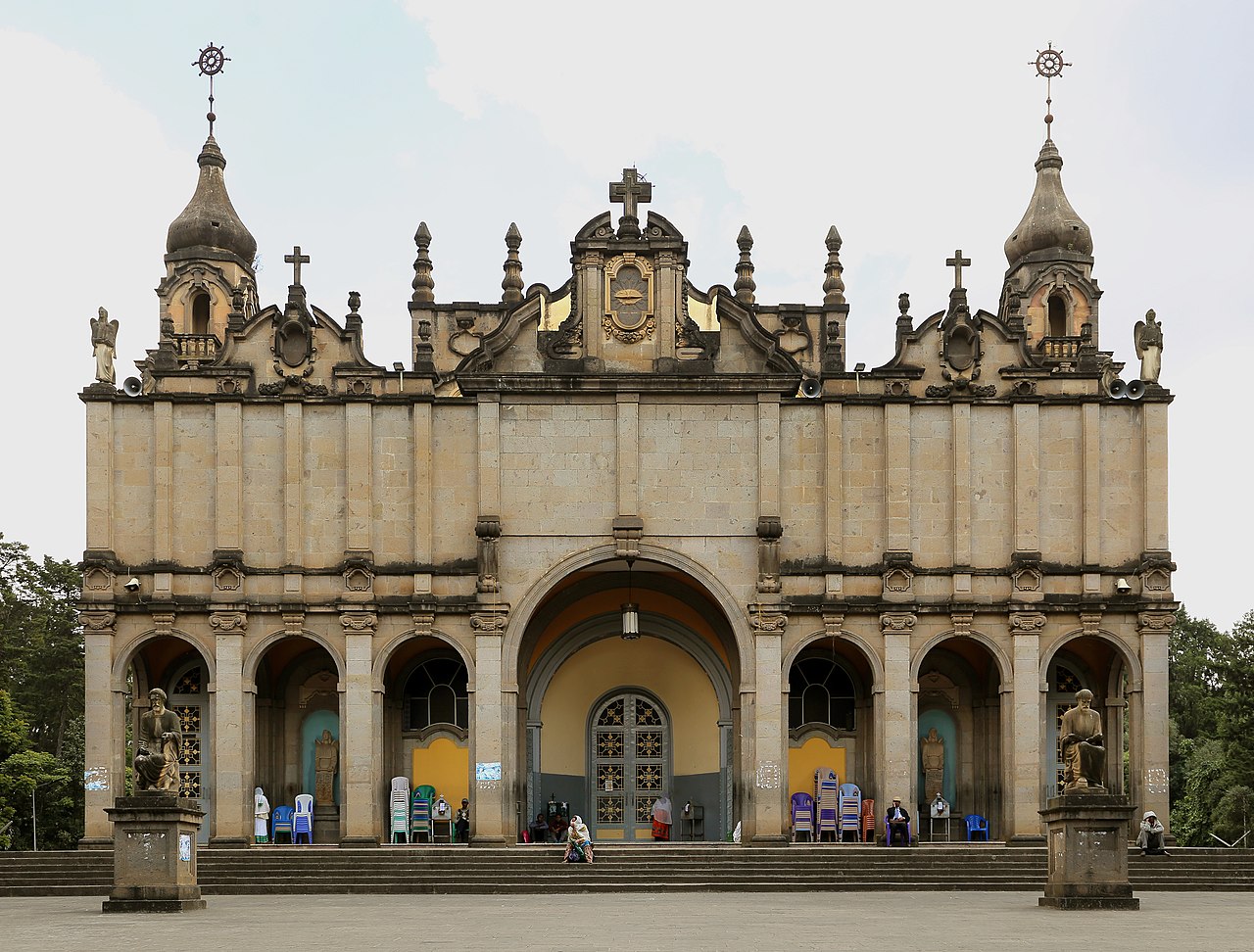


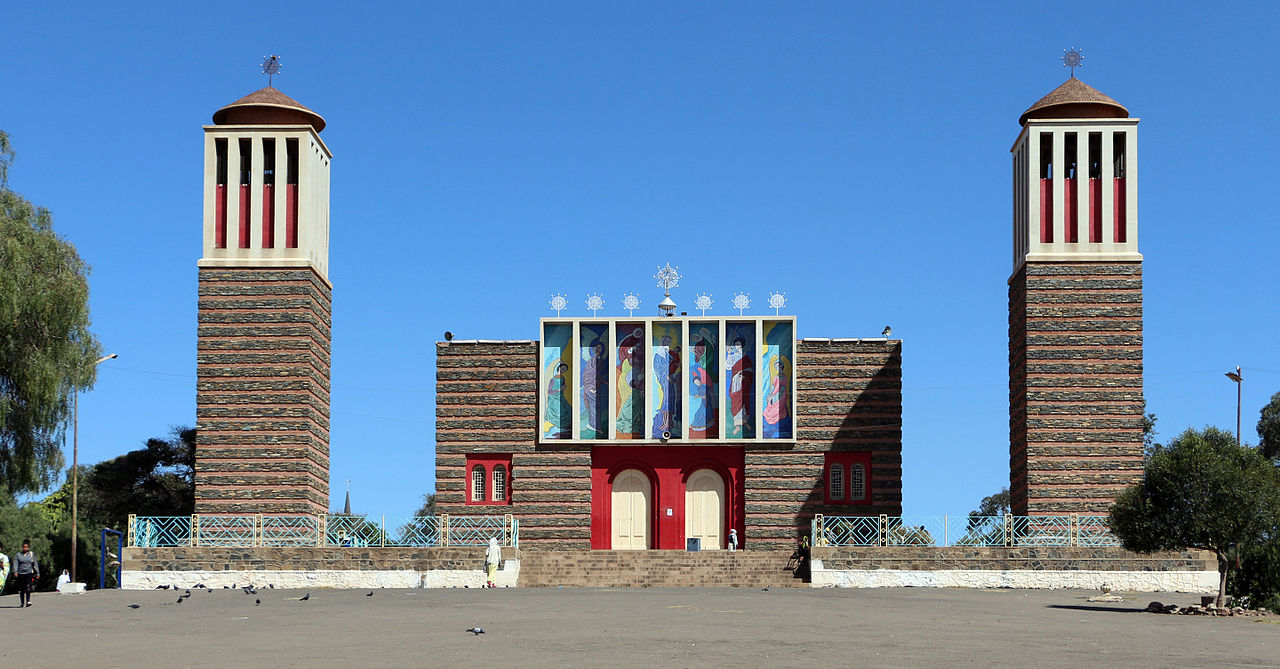
Core beliefs and distinctive theology
Oriental Orthodox theology emphasizes the unity of Christ’s person. In common language this is sometimes summarized as affirming one united nature of the incarnate Word, a formulation developed to preserve both the divinity and humanity of Christ without dividing or confusing them. Member churches maintain the sacraments, episcopal polity, and creedal affirmations of ancient Christianity while expressing these in their own theological idioms and liturgical rites.
Major churches and organizational structure
- Coptic Orthodox Church of Alexandria — historically prominent and honored as an apostolic see.
- Armenian Apostolic Church — one of the oldest national churches with its own patriarchal organization.
- Syriac Orthodox Church of Antioch — using the Syriac liturgical and theological tradition.
- Ethiopian Orthodox Tewahedo Church — with a rich Judaeo‑Christian heritage and distinctive liturgical books.
- Eritrean Orthodox Tewahedo Church — closely connected culturally and historically to the Ethiopian tradition.
- Malankara (Indian) Orthodox and Jacobite communities — representing the Oriental Orthodox presence in South Asia.
History and development
The split that produced what is now called Oriental Orthodoxy grew from theological debates and ecclesial politics in the fourth and fifth centuries. After the Council of Chalcedon, communities that disagreed with its Christological formula developed parallel structures and sustained their own theological schools, liturgies, and episcopal sees. Over centuries these churches adapted to local languages and cultures while preserving links to the early apostolic sees.
Worship, language, and cultural life
Oriental Orthodox worship is marked by ancient liturgical rites, frequent use of traditional languages (such as Coptic, Ge'ez, Syriac, Armenian) and a strong sacramental emphasis. Chant, incense, and iconography play important roles, and many churches combine ancient hymnographies with modern vernaculars to serve contemporary congregations. Monasticism and festival cycles remain central to community life.
Relations and distinctions
Although sometimes confused with the Eastern Orthodox communion, Oriental Orthodoxy is distinct in theology and historical development. In recent decades there have been dialogues aimed at clarifying misunderstandings and finding common ground. Leadership is generally conciliar and national: for example, the Pope of Alexandria is widely respected among the Oriental Orthodox as an apostolic primacy of honor rather than a central governing authority with jurisdiction over other churches.
Today Oriental Orthodox churches are globally present, both in their historic homelands and in diaspora communities. They are recognized for preserving ancient Christian traditions, contributing to regional cultures, and participating in ecumenical conversations that explore theological consensus and pastoral cooperation.
Related articles
Author
AlegsaOnline.com Oriental Orthodoxy Leandro Alegsa
URL: https://en.alegsaonline.com/art/73127