
Saint Stephen, the Protomartyr of Christianity
Saint Stephen, called the Protomartyr, is described in Acts as the first Christian martyr. He was one of the Seven appointed to serve the Hellenist community and was stoned after accusing opponents of resisting the Spirit.
Overview
Saint Stephen is traditionally recognized as the first Christian martyr, often called the Protomartyr. His Greek name, Στέφανος (Stephanos), means "crown" or "wreath," a symbolic name frequently noted in early Christian writings. The principal account of his life and death appears in the New Testament Book of Acts. Stephen's story has been central to Christian memory because it marks the beginning of public witness through sacrifice and because his death is closely linked with the early career of Saul of Tarsus, later the Apostle Paul.
Image gallery
10 Images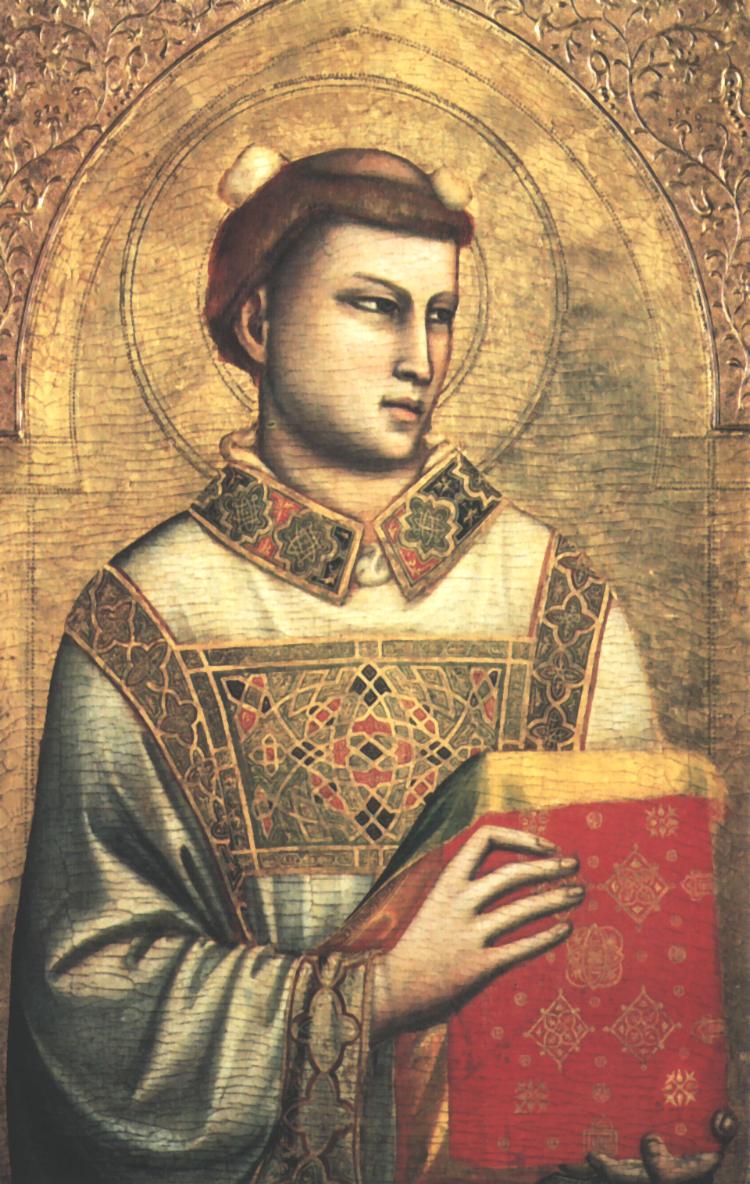




Life and witness
According to Acts, Stephen was one of seven laymen selected by the early Jerusalem community to oversee distribution to widows and the poor, a role designed to relieve the Twelve Apostles to focus on prayer and preaching. Stephen is depicted as a man full of faith and the Holy Spirit who performed signs and disputed with opponents. When he was brought before the local council, he made a lengthy defense recounting Israel's history and accused his accusers of resisting God and betraying "the Righteous One." His testimony culminated in a vision of Jesus standing at the right hand of God. Charged with blasphemy, he was stoned to death; witnesses say that a young man named Saul stood by, approving of the execution.
Veneration and feast days
Stephen is venerated across Christian traditions. He is honored as a saint in the Roman Catholic and Eastern Orthodox churches and in many Anglican and Protestant calendars. The Western Church commonly celebrates his feast on December 26, the day after Christmas; in some Eastern traditions his remembrance falls on December 27 or on other dates. Historically, alternative observances such as August 3 have appeared in older local calendars. Churches, shrines and liturgies preserve memories of his witness and the example of service he represents.
Legacy and notable facts
- Title: Known as the Protomartyr, indicating the first martyr of the Christian movement (martyr).
- Scriptural source: Principal account in the Acts of the Apostles (Acts).
- Liturgical recognition: Honored by multiple communions with specific feast days (Roman Catholic, Eastern Orthodox).
- Name meaning: The Greek root Stephanos relates to a crown or wreath, a metaphor often invoked in sermons and art.
Traditions, relics and cultural impact
Through the centuries, many churches have claimed relics or established shrines associated with Stephen; such traditions reflect his importance rather than offering a single historically verified tomb. His martyrdom became a model for later Christian thought about suffering, forgiveness and witness—particularly the detail that he prayed for his persecutors as he died. Celebrations of Saint Stephen's Day have entered cultural calendars in Europe and beyond, sometimes linked to charitable customs and public holidays.
For further reading and primary source references, see brief entries and historical summaries available from standard ecclesiastical resources and biblical commentaries (liturgical dates, accounts of the stoning, feast observances).
Related articles
Author
AlegsaOnline.com Saint Stephen, the Protomartyr of Christianity Leandro Alegsa
URL: https://en.alegsaonline.com/art/86188