
Ethnic group
A social group whose members share common cultural traits, ancestry, language or identity. Ethnic groups can cross borders, be majority or minority, and are recognized in law and society in different ways.
An ethnic group is a community whose members are perceived to share certain cultural traits, common origins, or a collective identity. These traits often include shared ancestry, a common language, similar customs, or communal memories. Membership can be defined by self‑identification, by how others classify the group, or by a mix of both. Not every member must display the same characteristics, and group boundaries may change over time through migration, intermarriage, or cultural exchange. For more on ancestry as a defining factor see ancestry, and for language-related aspects see language.
Image gallery
7 Images





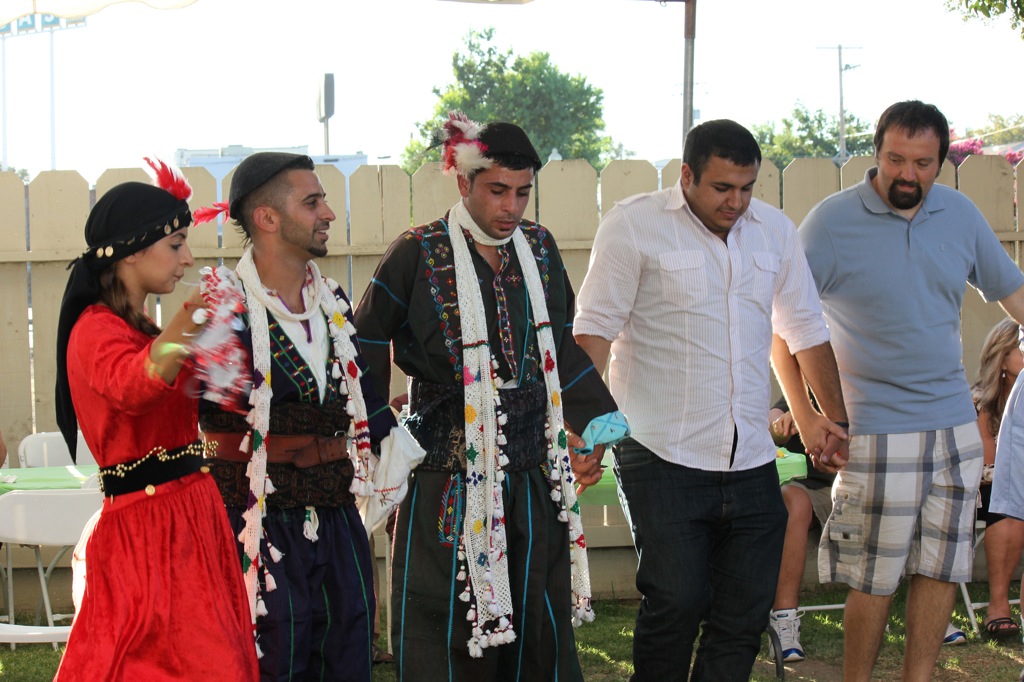
Core characteristics
Ethnicity is multifaceted and is usually described by a combination of features rather than a single attribute. Typical characteristics include:
- Common origin stories or perceived shared ancestry.
- A shared or closely related language or dialects.
- Similar cultural practices, folklore, dress, cuisine, or social norms (culture).
- Religion or spiritual traditions linked to group identity in some cases (religion).
- A geographical focus or historical homeland, though many groups are diasporic and live in multiple countries (states and territories).
History and development
Ethnic identities form and evolve through long processes: migration, conquest, trade, colonization, and political change all shape who counts as a group. In some eras, language or kinship were decisive; in others, territorial control, state policies, or religious affiliation mattered more. The rise of modern nationalism in the 18th–20th centuries often encouraged the alignment of state borders and ethnic identities, but many states remain multiethnic. Diasporas and transnational communities further complicate boundaries, so a single ethnic group may live across several states.
Uses, rights and social importance
Ethnic identity influences everyday life, public policy, and law. It can provide social cohesion, cultural continuity, and a sense of belonging, but it is also a basis for political mobilization. Governments use ethnic categories for censuses, minority protections, and language rights; international law recognizes protections for ethnic, religious and linguistic minorities, for example in provisions such as those discussed in international human rights instruments (see related rights). Ethnic groups can be majorities in some countries or minorities in others, affecting their legal and social status.
Distinctions and notable points
Ethnicity is distinct from but related to concepts such as race, nationality and religion. Race is often framed around perceived physical traits; nationality refers to legal membership in a state; religion is a system of beliefs and practices. An ethnic group may include people of one religion, many religions, or none. Examples of broad ethno‑linguistic groupings include the Slavic peoples, who share related languages and cultural traditions but live across multiple countries and encompass diverse national identities.
Contemporary issues
Contemporary debates around ethnicity involve recognition, minority rights, assimilation, discrimination, and cultural revitalization. Movements for language preservation, legal recognition of indigenous groups, and protection against ethnic discrimination are common across regions. Because ethnicity mixes historical memory, social practice and modern politics, careful, context‑sensitive approaches are necessary when discussing or categorizing groups.
Further reading and resources can be pursued through cultural studies, legal texts addressing minority rights, and comparative histories of specific groups; see links for language, culture, and legal context at language, culture, and rights.
Related articles
Author
AlegsaOnline.com Ethnic group Leandro Alegsa
URL: https://en.alegsaonline.com/art/32392