
Judea (Roman province): history, administration and legacy
Roman Judea was a small eastern Mediterranean province covering much of modern Israel and Palestine. Its complex history includes client kings, provincial rule, major revolts and a lasting cultural legacy.
Overview
Judea was a Roman province located in the eastern Mediterranean, occupying much of the territory of present-day Israel and the Palestinian territories. Incorporated into Rome's imperial system during the late Republic, it alternated between indirect rule and direct provincial administration. Scholars often describe it as a small, strategically located area with significant religious and cultural importance for Judaism and later for Christianity. For a concise note on Roman classification see Roman provincial ranks and for context within the broader polity consult the Roman Empire.
Image gallery
9 Images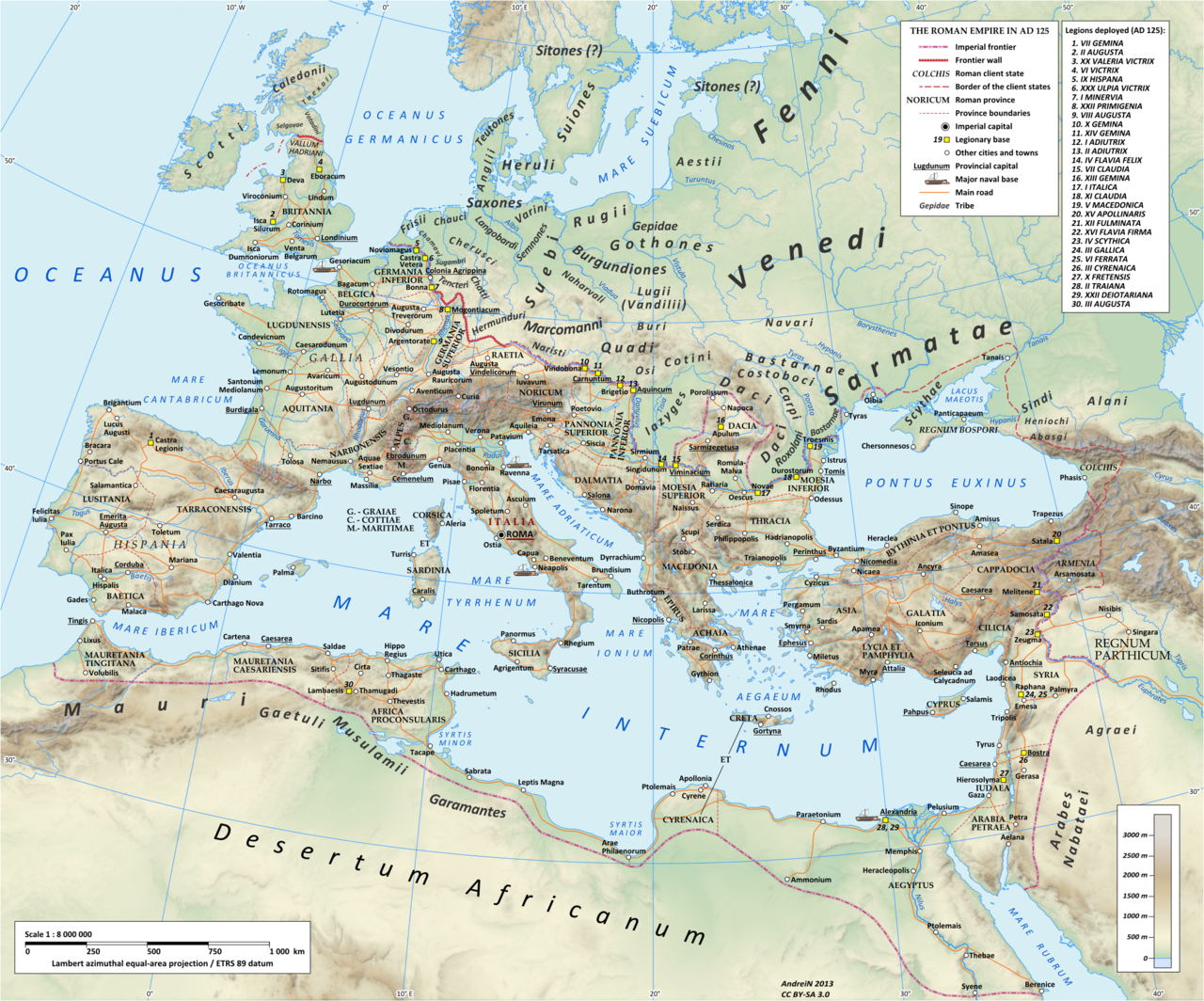


Territory and people
The province's boundaries shifted over time but centered on Judea proper, including the hill country, parts of the coastal plain and sections of the Jordan valley. Its population was diverse: predominantly Jewish communities mixed with Hellenistic cities, Samaritan groups, and smaller pagan or Romanized populations. Modern references to this area appear in discussions of Israel and Palestine.
From Hellenistic rule to Roman control
Before Roman involvement, Judea had been under Hellenistic influence, notably the Seleucid Empire. As Hellenistic power declined, Rome expanded into the eastern Mediterranean; the region's internal dynastic disputes culminated in appeals to Roman authorities for arbitration. The legacy of the earlier era is summarized in sources on the Seleucid period and Rome's consolidation of the eastern Mediterranean.
Administration and local government
Roman governance of Judea took several forms. After Pompey’s intervention it became a client territory and later a province under governors appointed by Rome. At times the area was ruled through client kings—most notably the Herodian dynasty—and at other times administered directly by procurators. Key phases include:
- Client kingdom era, when local dynasts held limited autonomy and sought Roman approval (dynastic disputes and arbitration).
- Periods of direct rule as a province with governors or procurators overseeing taxation, law and order.
- Intervals of special arrangements, such as temporary client status or provincial reorganization (client-state relationships).
Conflict and revolts
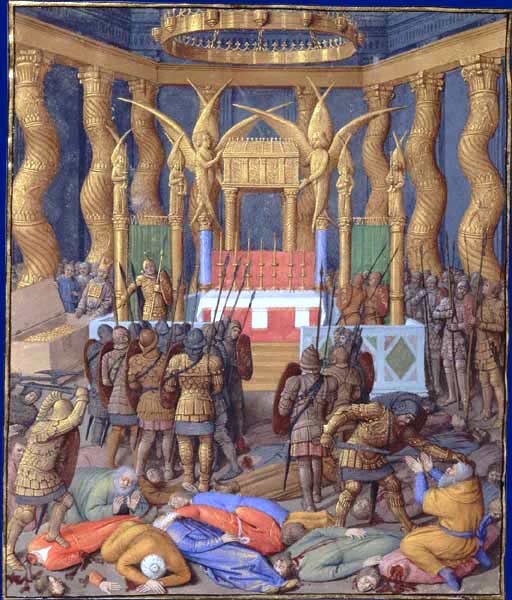
Judea was the scene of repeated unrest as local religious, social and nationalist tensions clashed with Roman rule. Major uprisings are often grouped as the Jewish–Roman wars; these include the first large-scale revolt culminating in the destruction of the Temple in Jerusalem and the later Bar Kokhba uprising. The province's turbulent relationship with Rome led to punitive fiscal measures and administrative changes, and is treated in studies of the Jewish–Roman wars.
Renaming and aftermath
Following the suppression of major rebellions, Roman authorities implemented measures intended to reduce local autonomy and reshape the province's identity. Under Emperor Hadrian the province's name and the capital's designation were changed as part of a broader policy of integration and control; the city of Jerusalem received a new imperial appellation and the province was reorganized. These steps had long-term cultural and administrative consequences.
Importance and legacy
Despite its small size, Roman Judea played an outsized role in religious history and in the interaction between imperial power and local traditions. Archaeology, epigraphy and ancient literature continue to illuminate its institutions, economy and daily life. The province's story illustrates how Rome managed borderlands where identity and imperial interests intersected.
Further reading and resources can be found through the linked references above: classification, imperial context, and specialized studies on the conflicts and Hellenistic background.
Related articles
Author
AlegsaOnline.com Judea (Roman province): history, administration and legacy Leandro Alegsa
URL: https://en.alegsaonline.com/art/51406
Sources
- livius.org : "Judaea"
- unrv.com : "Judaea - Palaestina"