
Christian (follower of Christianity)
Person who adheres to Christianity, a monotheistic faith centered on the life and teachings of Jesus Christ; overview of beliefs, history, major branches, practices, and global presence.

Overview
A Christian is someone who follows Christianity, a monotheistic religion centered on the belief that Jesus of Nazareth is the Christ (the anointed one). Christians look to the life, teaching, death and resurrection of Jesus as the defining revelation of God's will — material recorded mainly in the New Testament and related to texts in the Hebrew Bible or Old Testament. Many Christians also understand elements of the Christian message as interpreted or prophesied in earlier scriptures; core doctrines vary among communities.
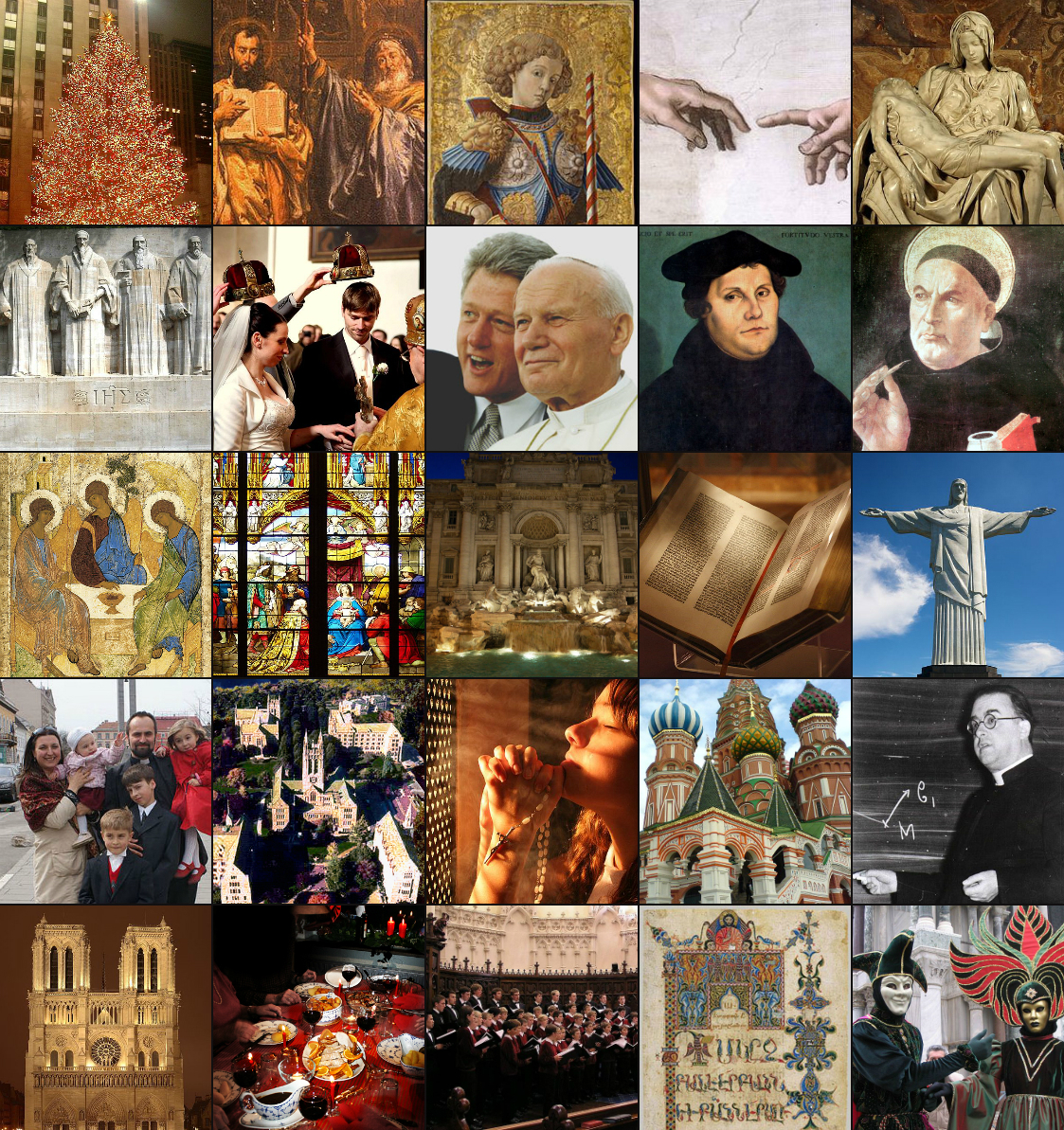
Image gallery
6 Images



Core beliefs and characteristics
While beliefs differ across traditions, most Christians share a set of central convictions. Typical emphases include:
- God: belief in one God who is the Father, Son and Holy Spirit in many traditions.
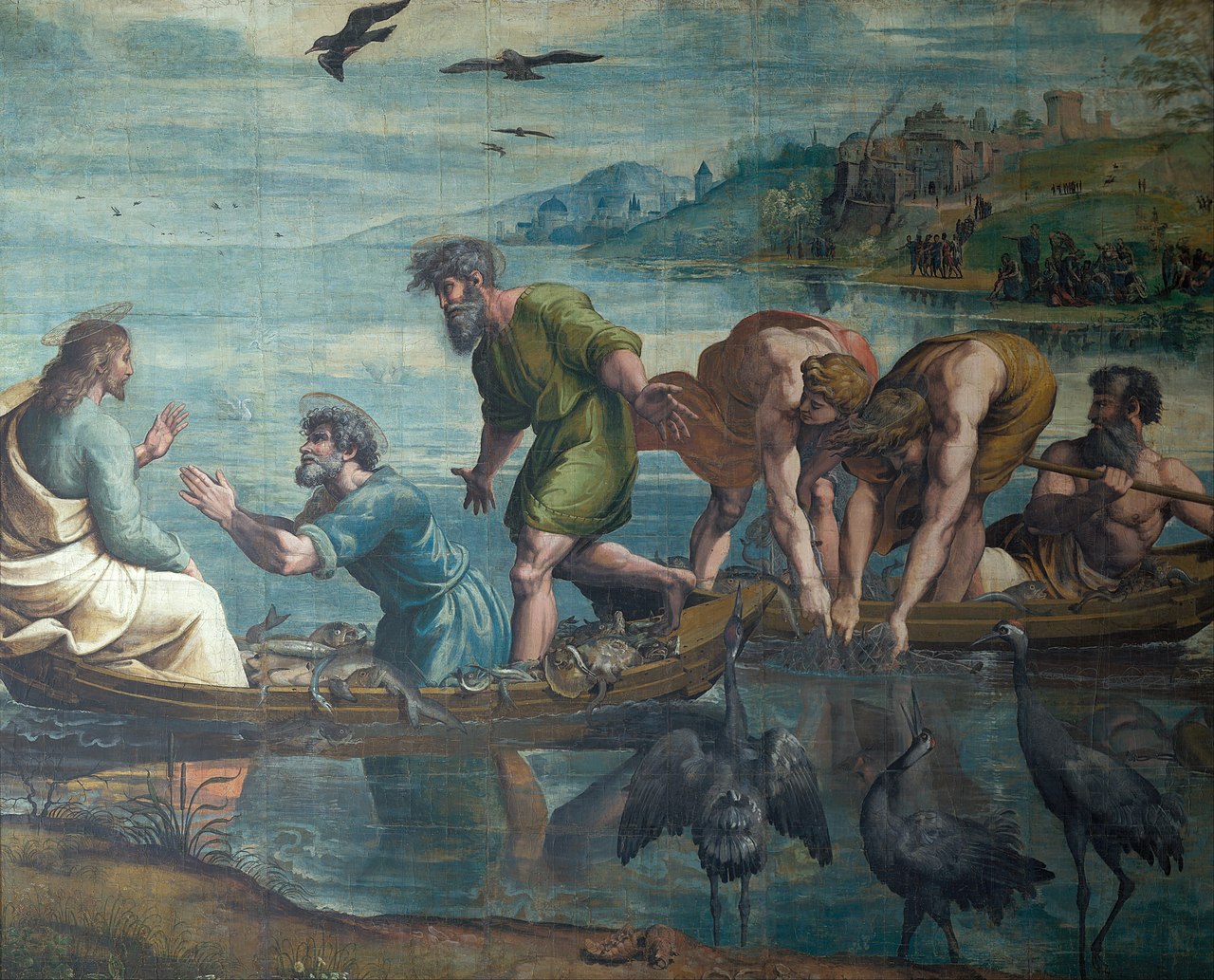
- Jesus: Jesus Christ as savior and model for human life — his teaching, sacrificial death and resurrection are central (the life and teachings of Jesus).
- Scripture and authority: the Bible functions as a primary source for faith and practice, interpreted differently across churches.
- Salvation and ethics: concepts of forgiveness, moral transformation, prayer and communal worship shape Christian identity.
History and development
Christianity began in the first century CE within Jewish contexts in the eastern Mediterranean and spread through missionary activity, urban networks and later imperial structures. Over centuries it developed diverse theological traditions, liturgical forms and institutional arrangements. Key historical moments include the councils of the early church, the Great Schism between Eastern and Western Christianity, and the Protestant Reformation, each contributing to the variety of Christian expression that exists today.
Major branches and diversity
Christians are organized into multiple families of churches. The largest historic groups are Roman Catholicism, Eastern Orthodoxy and Protestantism, but the global Christian landscape also includes Oriental Orthodox churches, Anglican and independent churches, Pentecostal and evangelical movements, and newer restorationist and charismatic communities. These groups differ in governance, sacramental theology, liturgy and biblical interpretation.
Practices and social role
Common Christian practices include communal worship, reading scripture, prayer, baptism and, in many traditions, communion or the Eucharist. Observances such as Christmas and Easter mark central events in the Christian calendar. Beyond ritual, Christian communities have historically been active in education, healthcare, charity and the arts; they continue to influence laws, social services and cultural norms in many societies.
Global presence and distinctions
Christianity is one of the world’s largest religions, with adherents numbering in the billions and widespread geographic distribution. Internal diversity means the term "Christian" covers a broad range of theological positions and cultural practices. For any specific question about doctrine, worship style or community life it is useful to consult the particular tradition or congregation involved.
Questions and answers
Q: What is a Christian?
A: A Christian is a person who believes in Christianity, a monotheistic religion.
Q: What does Christianity focus on?
A: Christianity focuses mostly on the life and teachings of Jesus Christ, as found in the New Testament and interpreted or prophesied in the Hebrew Bible/Old Testament.
Q: How many followers does Christianity have?
A: Christianity has 2.1 billion followers around the world, making it the largest religion in the world.
Q: Is Christianity monotheistic?
A: Yes, Christianity is a monotheistic religion.
Q: Where can we find information about Jesus' life and teachings?
A: Information about Jesus' life and teachings can be found in both the New Testament and Hebrew Bible/Old Testament.
Related articles
Author
AlegsaOnline.com Christian (follower of Christianity) Leandro Alegsa
URL: https://en.alegsaonline.com/art/20112
Sources
- bbc.co.uk : "BBC - Religion & Ethics - Christianity"
- biblegateway.com : "Book of Isaiah, Chapter 53"
- books.google.com : The Oxford Dictionary of the Christian Church
- books.google.com : We Jews and You Christians: An Inquiry Into Attitudes