
Persecution of Christians: forms, history, and global patterns
Overview of persecution of Christians: definitions, common forms, historical background, regional examples, legal context, and responses by governments and civil society.
Overview
Persecution of Christians refers to hostile actions, policies or social practices directed at people because they identify as Christian or follow Christian beliefs. Such treatment can range from discrimination and exclusion to overt violence. Persecution occurs in many different political and social contexts and may be carried out by state actors, non-state groups, or social networks.
Image gallery
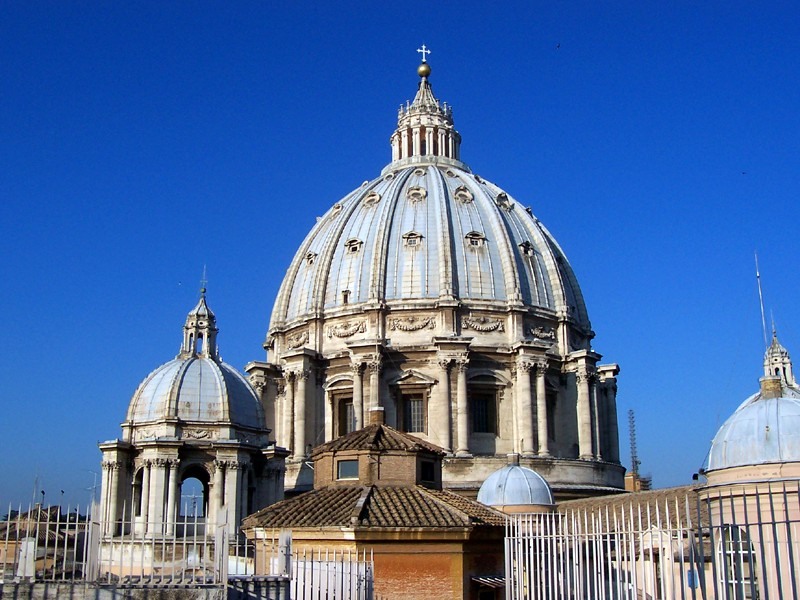
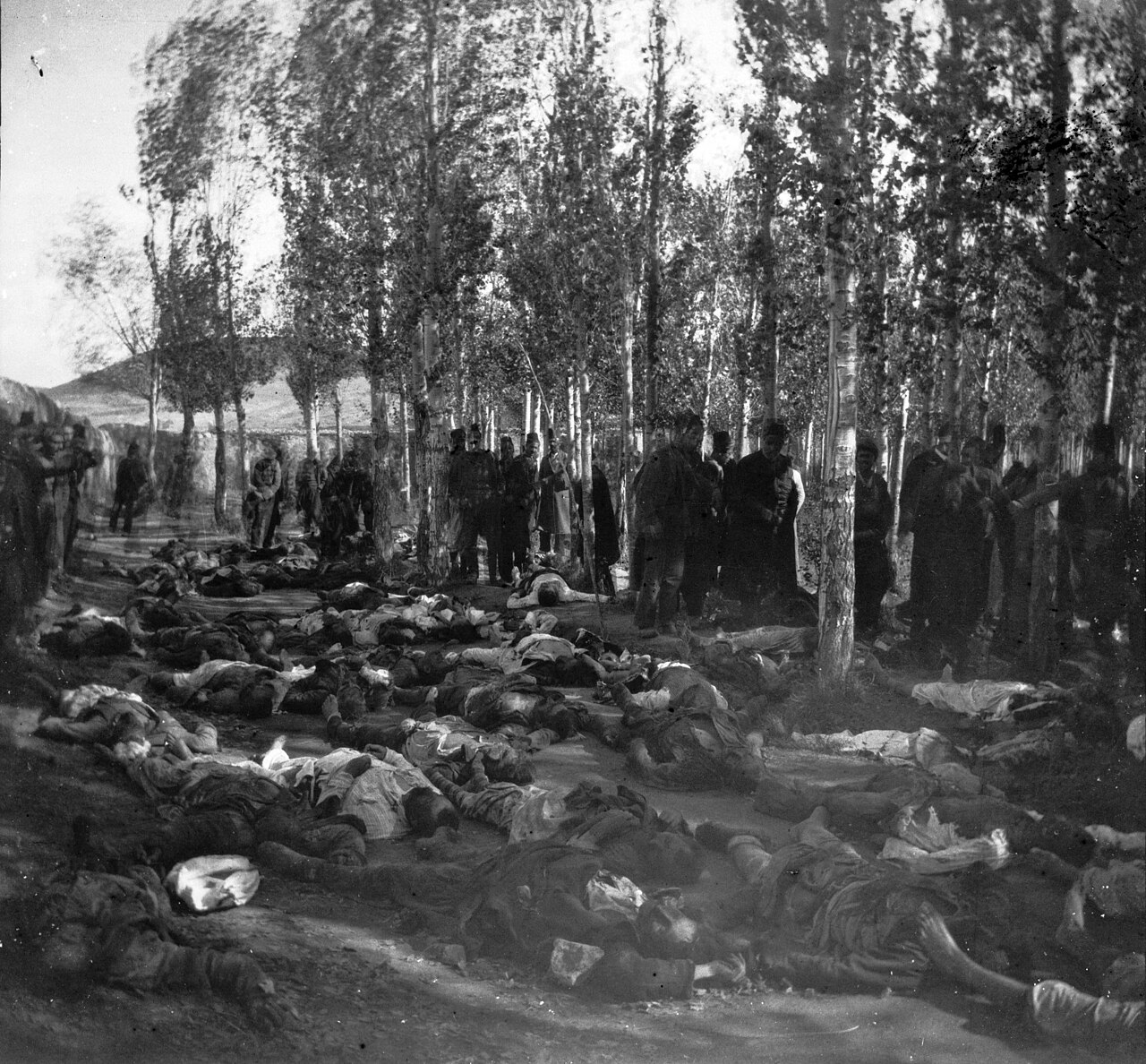
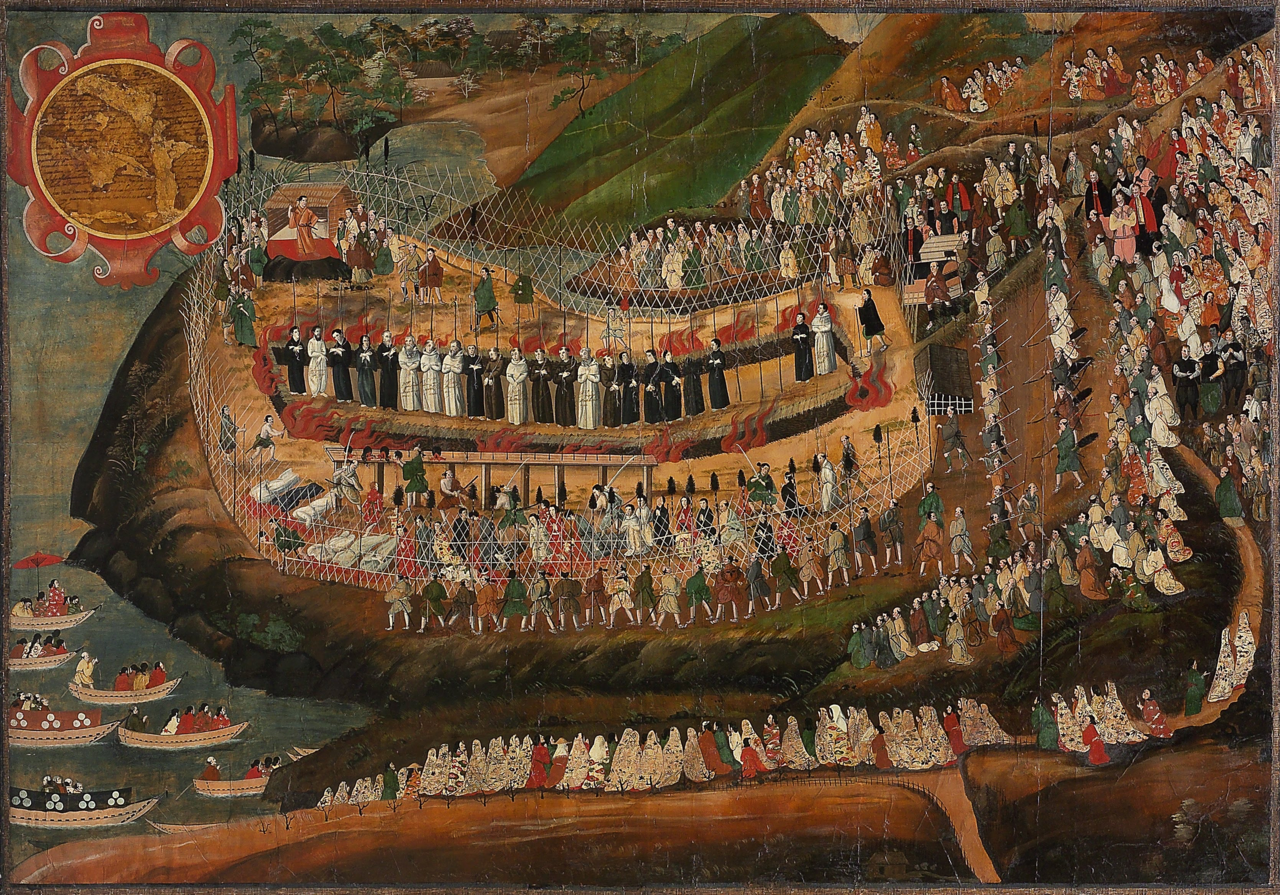
10 Images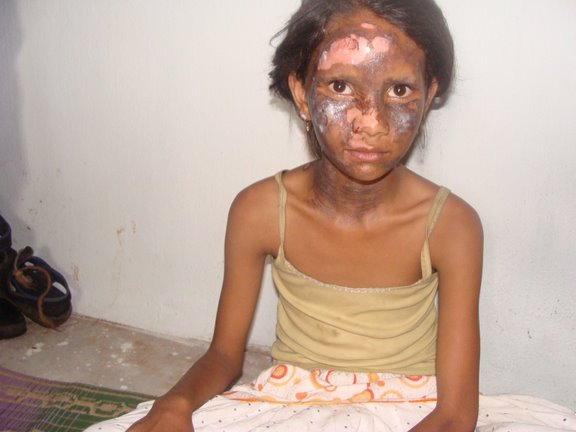




Common forms and manifestations
Actions described as persecution include denial of civil rights, restrictions on worship, harassment, property destruction, and forced displacement. In more severe cases persecution may involve physical violence or detention and imprisonment. Economic pressure, employment discrimination, and social ostracism are non-physical forms that can still have serious long-term effects on communities and individuals.
Characteristics and contributors
Persecution is shaped by a variety of factors: political regimes that limit religious freedom, dominant social or religious majorities that marginalize minorities, conflict and insecurity that enable extremist violence, and legal frameworks that restrict conversion or proselytizing. The severity and patterns of persecution vary by region, by denomination, and with local histories of interreligious relations.
Regional examples
These examples illustrate different contexts: communal violence and social pressure in some countries, legal restrictions and criminal penalties in others, and armed conflict or insurgency that target religious communities in yet others.
History and development
Throughout history Christians have been persecuted in various eras and places, as have followers of many other faiths. Historical episodes include state-sponsored suppression in certain empires, sectarian conflicts, and episodes tied to colonialism or nationalism. Patterns change over time as political systems, laws and social attitudes evolve.
Responses and protections
Responses range from local community resilience and interfaith dialogue to legal remedies and international advocacy. International human rights law protects freedom of thought, conscience and religion, and numerous organizations monitor abuses and support victims. Governments and civil society groups may work to reduce persecution by reforming discriminatory laws, promoting religious freedom, and addressing underlying communal tensions.
Distinctions and notable points
Persecution of Christians must be understood alongside persecution of other religious or belief communities; risks and experiences differ by denomination, ethnicity and social class. Accurate assessment requires attention to context, reliable reporting, and careful distinction between criminal acts, social conflict, and systematic targeting on religious grounds.
Further reading and monitoring resources are available from governments, non-governmental organizations and specialized research centers.
Related articles
Author
AlegsaOnline.com Persecution of Christians: forms, history, and global patterns Leandro Alegsa
URL: https://en.alegsaonline.com/art/75929