
Jesus (Jesus of Nazareth)
Jesus of Nazareth, central to Christianity and influential across cultures, was a 1st‑century Jewish teacher whose life, teachings, death and reported resurrection shaped religious history and Western thought.
Overview
Jesus of Nazareth, commonly called Jesus or Jesus Christ, is the founding figure of Christianity and a prominent person in world history. He is described in Christian scripture as a Jewish teacher and itinerant preacher who emphasized love, mercy and the coming of God's reign. Christians regard him as the Messiah (Christ) and, in most traditions, as the incarnation of God. Scholarly study distinguishes the religious claims about Jesus from the historical evidence that scholars extract from early written sources and later traditions.
Image gallery
10 Images


Life and historical sources
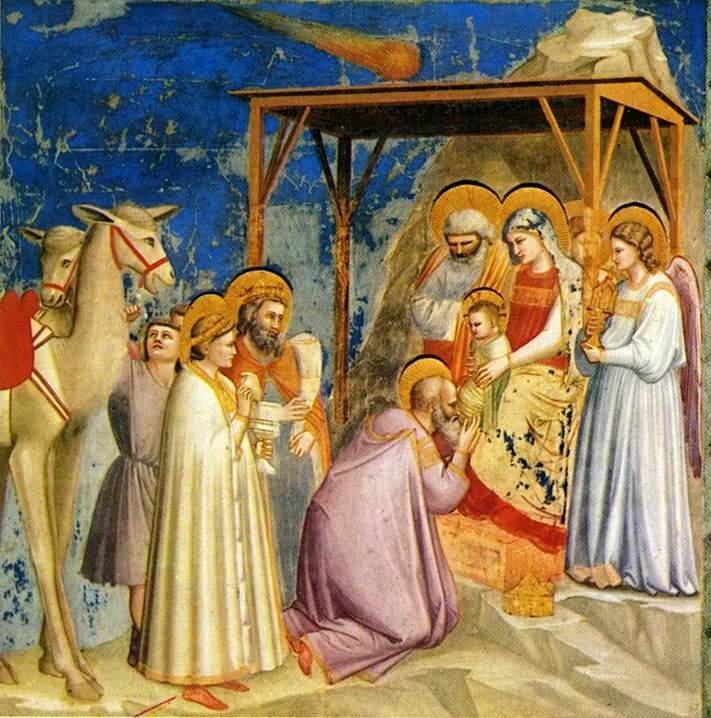
The primary accounts of Jesus' life appear in the four canonical Gospels, which present narratives of his birth, ministry, teachings, miracles, death and the conviction by followers that he rose again. In addition to Christian texts, a handful of Jewish and Roman writers of the late first and early second centuries mention him briefly. These include references in works attributed to Flavius Josephus, Tacitus, Pliny the Younger and Suetonius. Modern historians generally accept that a Jewish preacher named Jesus lived in Galilee and was baptized by John the Baptist, attracted disciples, and was executed by Roman authorities in Jerusalem under Pontius Pilate. Beyond these core points, scholars debate details such as chronology, the precise content of his sayings, and the development of early Christian interpretation.
Teachings, actions and themes
Jesus' teaching is often summarized by emphasis on love of God and neighbor, mercy, forgiveness, and the reversal of social expectations that favor the humble over the proud. He taught using parables—short, vivid stories—to illustrate moral and spiritual lessons, and spoke frequently about the "kingdom of God" as both a present reality and a future hope. Gospel narratives depict him as performing healings and exorcisms and engaging in debate with religious authorities. Among the best‑known collections of his sayings are the Sermon on the Mount and parables such as the Good Samaritan and the Prodigal Son, which have had enduring ethical influence.
Death, resurrection and theological significance
Jesus was crucified in Jerusalem; Christian faith holds that his death and subsequent resurrection vindicate his mission and open the way to reconciliation between humanity and God. The meaning of these events is central to Christian theology, which interprets them through doctrines such as atonement, resurrection and incarnation. Historical study treats the crucifixion as one of the most certain facts about Jesus, while the resurrection is studied as a theological claim that shaped the beliefs and practices of early followers.
Reception, influence and interreligious perspectives
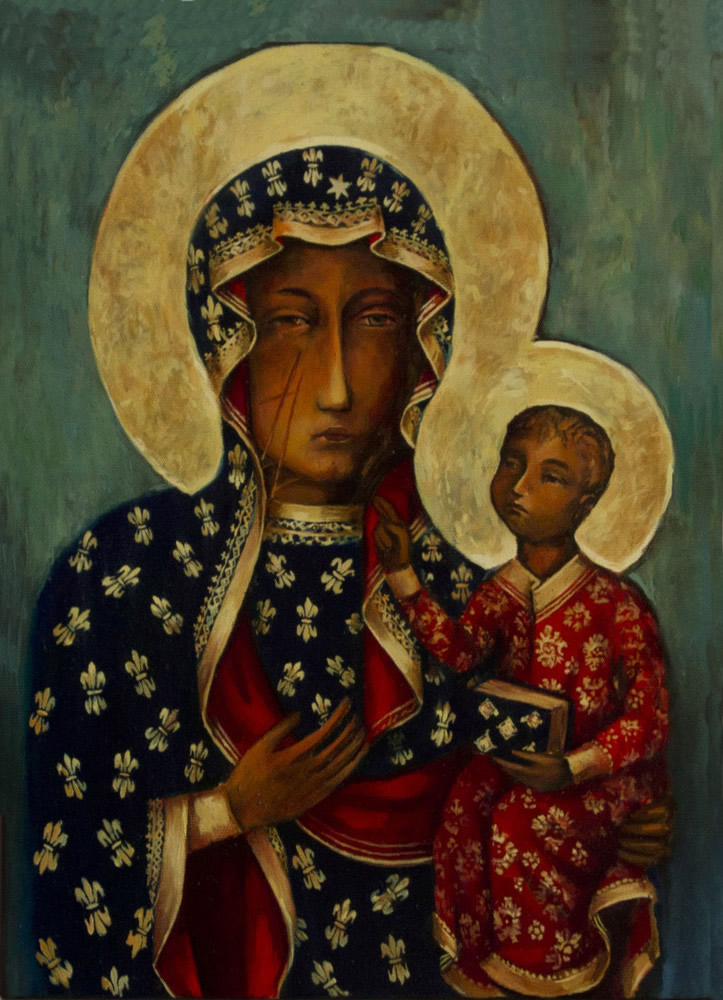
Jesus' life and message have been interpreted and reinterpreted across cultures and centuries. Within Christianity, debates over his divinity, humanity and role have produced diverse doctrines and denominations. Other faiths also confer significant status on him: Islam regards Jesus (Isa) as an important prophet; the Bahá'í faith describes him as a divine manifestation; some Hindu and Buddhist writers have offered comparative perspectives that see him as an avatar, a holy man or a spiritually advanced teacher. Outside strictly religious contexts, Jesus has influenced art, music, law, moral philosophy and public holidays—most notably Christmas and Easter—making him a pervasive figure in global culture.
Key topics, distinctions and further reading
Important areas of study and discussion include: the historical Jesus (scholarly reconstructions), gospel authorship and dating, the formation of the New Testament, Christology (theological study of who Christ is), and the spread of early Christianity. Distinctions to keep in mind are the difference between the historical person of Jesus and theological portrayals, and between sources written by followers and non‑Christian references. For readers seeking primary and secondary materials, the following list collects representative anchors to modern discussions and surviving ancient notices.
- Textual and linguistic background
- Jewish context of Jesus
- Christianity and its origins
- Messianic expectations
- Doctrines of incarnation
- Historical methodology
- Galilee as a region
- Nazareth, the town
- Geography of ancient Judea
- Role as teacher
- Accounts of healings and miracles
- Baptism by John
- John the Baptist
- Crucifixion as execution
- Pontius Pilate and Roman rule
- Ethics: love and charity
- Forgiveness and reconciliation
- Humility and piety
- Roman methods of execution
- The four canonical Gospels
- New Testament formation
- Bible and interpretation
- Accounts of birth narratives
- Miracles in gospel literature
- Early Christian ministry
- Death and historical testimony
- Resurrection claims
- Jewish and Roman interactions
- Tacitus' references
- Pliny the Younger
- Suetonius' mentions
- Manichaean perspectives
- Gnostic traditions
- Islamic view of Jesus
- Bahá'í teachings
- Hindu responses
- Concept of avatar
- Sadhu and holy persons
- Buddhist comparative views
- Modern figures' reflections
- Jesus as a cultural and spiritual figure
For further study, readers may consult specialized introductions to the historical Jesus, surveys of the New Testament, and comparative religion treatments that place Jesus in broader spiritual contexts. These topics continue to be subjects of active research and long cultural conversation.
Questions and answers
Q: Who was Jesus?
A: Jesus was a Jewish teacher and reformer of religion who has become the main and central figure of Christianity. He is one of the most famous, most recognized, and most influential persons in the world's history.
Q: Where did Jesus come from?
A: Most historians agree that he was a Jew from a place called Galilee, in a town called Nazareth, in what is now Israel.
Q: How did Jesus teach?
A: Jesus taught mostly love and forgiveness for others, as well as being humble about one's religion. He talked many times about the kingdom of God, and told others to be mild like children and never boast. He also opposed other Jewish priests because they used religion to boast.
Q: What happened to Jesus?
A: Jesus was put on trial and convicted to death by the Jewish leaders, then sent to his execution on a cross by Roman authorities.
Q: Are there stories written about him?
A: Yes, there are stories about the life of Jesus by different writers. The best known are the four Christian books called the Gospels which form part of the New Testament in Bible. They tell a little about his birth and hidden early life but mostly about his public life such as teachings, miracles, ministry etc.. Several Jewish and Roman historians have also included him in their writings but usually only talk about his execution or problems between Roman government & followers rather than his life itself.
Q: Is he an important figure for other religions too?
A: Yes, Manichaeans, Gnostics Muslims Bahá'ís & some Hindus consider him an Avatar or Sadhu while Buddhists including Dalai Lama regard him as Bodhisattva who dedicated his life for welfare of people
Related articles
Author
AlegsaOnline.com Jesus (Jesus of Nazareth) Leandro Alegsa
URL: https://en.alegsaonline.com/art/121956
Sources
- books.google.com : "Introduction"