
Theology — study, branches, history, and contemporary roles
An overview of theology: its meaning, principal branches and methods, historical development (including medieval university status), and its roles in religion, scholarship and public life.
Theology is the disciplined study of religious belief and practice, most often focused on the nature, attributes and actions of the divine. The word combines Greek roots meaning God and study: Greek theo- + -logy. In everyday usage it can refer either to reflection about a particular faith tradition or to more general inquiries into religion and spirituality across different religions. Someone engaged in this work is known as a theologian, and writings produced in the field are described as theological. Scholars sometimes contrast theology with religious studies, the latter tending to use social-scientific methods and a comparative, descriptive stance rather than confessional or doctrinal argument.
Image gallery
5 Images


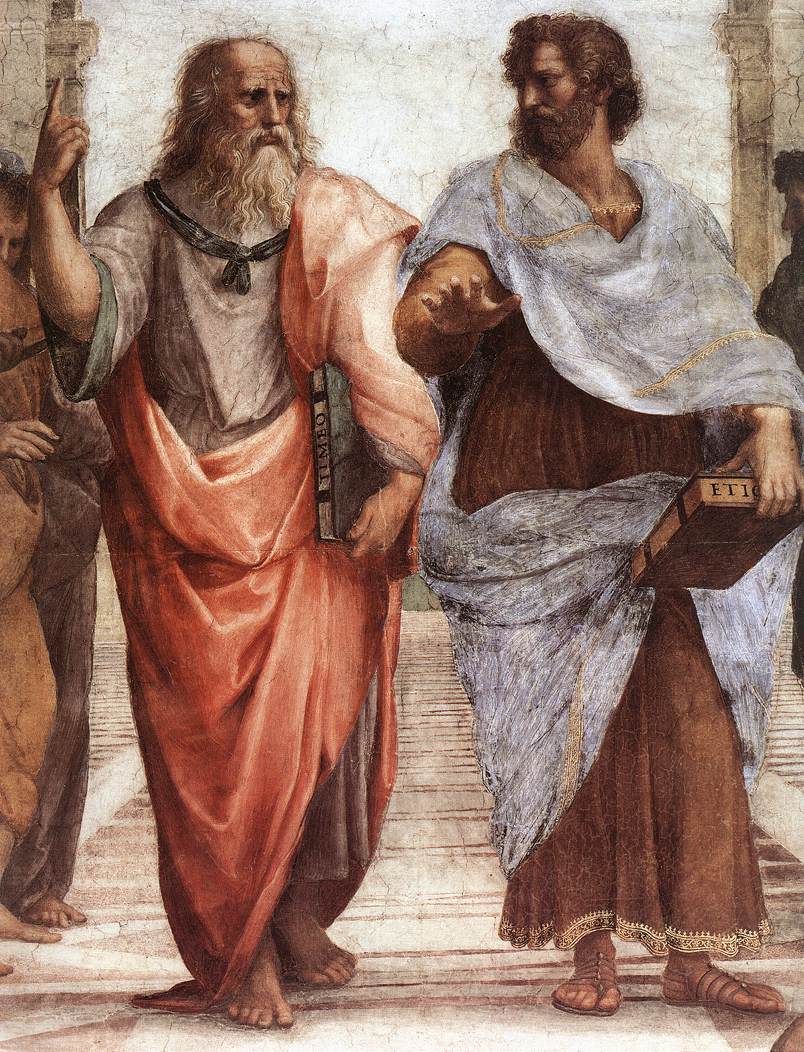

Branches and approaches
Theology is not a single method but a family of approaches that address different questions and use different resources. Major types include:
- Systematic theology, which organizes doctrines into coherent accounts of topics such as God, humanity, sin and salvation.
- Biblical or scriptural theology, which traces themes and teachings within sacred texts.
- Historical theology, which studies how beliefs and institutions have developed over time.
- Philosophical theology, which uses philosophical tools to analyze theological claims and concepts.
- Practical or pastoral theology, which focuses on ministry, worship, ethics and religious practice.
- Comparative and interfaith theology, which examines correspondences and contrasts among traditions and includes approaches sometimes labeled comparative theology.
- Contextual and liberation theologies, which read religious traditions in light of social location, power and justice concerns.
Methodologically, theology draws on scripture, tradition, reason and experience, and it may be practiced inside a faith community or in academic settings that aim for critical distance. People pursue theological study for many reasons: personal faith formation, preparation for religious leadership, academic inquiry, or to inform public debates about ethics, law and social policy about reasons to study theology.
History and development
Although reflective religious thought is ancient, the technical term "theology" came to prominence in the context of Christianity and later was applied more broadly. Early Christian writers and later medieval scholars treated theological reflection as central to interpreting scripture and organising communal belief. In the European medieval university system, theology rose to a preeminent place. During the High Middle Ages it was widely regarded as the highest subject taught in universities, earning the title "The Queen of the Sciences". The scholastic curriculum historically led students through the Trivium and Quadrivium as preparatory studies before engaging in theological study.
Over time theology diversified. Non-Christian traditions developed comparable intellectual disciplines—such as Islamic kalam, Jewish theological reflection, and systematic religious thought within Hindu and Buddhist contexts—each with distinct sources and emphases. In modern universities, theology coexists with religious studies and philosophy, sometimes as confessional departments and sometimes as critical, academic programs. The discipline has also engaged contemporary issues including science and religion, human rights, environmental ethics and interreligious dialogue, expanding its public relevance.
Today theology serves multiple roles: sustaining faith communities, training clergy and religious educators, contributing to academic knowledge, and offering ethical perspectives in public life. Its practitioners range from clergy and seminary professors to philosophers, historians and activists. Whether approached devotionally or critically, theology remains a central way that humans interpret ultimate questions about meaning, value and the nature of the transcendent. For further reading and resources, see introductory and comparative treatments of theological method and history available through denominational and academic outlets on study and historical surveys of Christianity.
Related articles
Author
AlegsaOnline.com Theology — study, branches, history, and contemporary roles Leandro Alegsa
URL: https://en.alegsaonline.com/art/99255