
History of Florida: Indigenous Peoples, Colonial Struggles, and Modern Growth
A concise, organized account of Florida’s past: indigenous settlement, European contact, colonial transfers, U.S. acquisition, statehood, and the economic and cultural forces that shaped the modern state.
Overview
The history of Florida spans many millennia, beginning with the arrival of Indigenous peoples on the peninsula and continuing through periods of European colonization, contested imperial control, and rapid modern development. Archaeologists have documented human presence with archaeological finds and other evidence that show long-term occupation, varied cultures, and adaptation to coastal and inland environments.
Image gallery
10 Images





First Peoples and Early Societies
Long before Europeans arrived, a variety of Native American groups lived across the region, including coastal, riverine and inland cultures known today through artifacts, mound sites and oral histories. These societies developed distinct lifeways tailored to Florida’s wetlands, barrier islands and productive fisheries. Their descendants include tribes often identified in historical records and modern tribal communities.
European Contact and Early Colonial Period
Earliest written records and historical chronicles of the peninsula come from European explorers and colonial officials. In 1513 the Spanish expedition led by Juan Ponce de León recorded landings and place names, marking the start of continuous European interest. Spain established settlements and missions in the 16th century; notably, St. Augustine became a focal point, often described as the oldest continuously occupied European-founded community in what is now the United States. The town grew from a mix of Spanish, African and European settlers and was built near an ancient Native American village that reflected a pre-existing settlement pattern.
Colonial Rivalries and Transfer of Control
Florida’s colonial history is marked by transfers among imperial powers. Following conflicts in Europe and overseas, Spain ceded Florida to the British after the Seven Years' War, making it a possession of the British Empire for several decades. Havana and Cuba figured in those negotiations. After the American Revolution and further treaties, control shifted again as part of broader settlements tied to the American Revolutionary War era. Portions of what was known as West Florida later became parts of modern-day Mississippi and Alabama, while East Florida and other areas evolved into the present state.
Becoming Part of the United States and Statehood
In the early 19th century Spain’s hold on the region weakened and negotiations with the United States culminated in cession of Florida to U.S. authority. The territory experienced conflicts such as the Seminole resistance and military campaigns, and later political developments led to admission as a U.S. state in the mid-19th century. Florida’s alignment in the Civil War and its Reconstruction-era adjustments influenced land use, labor systems and settlement patterns.
Modern Development and Significance
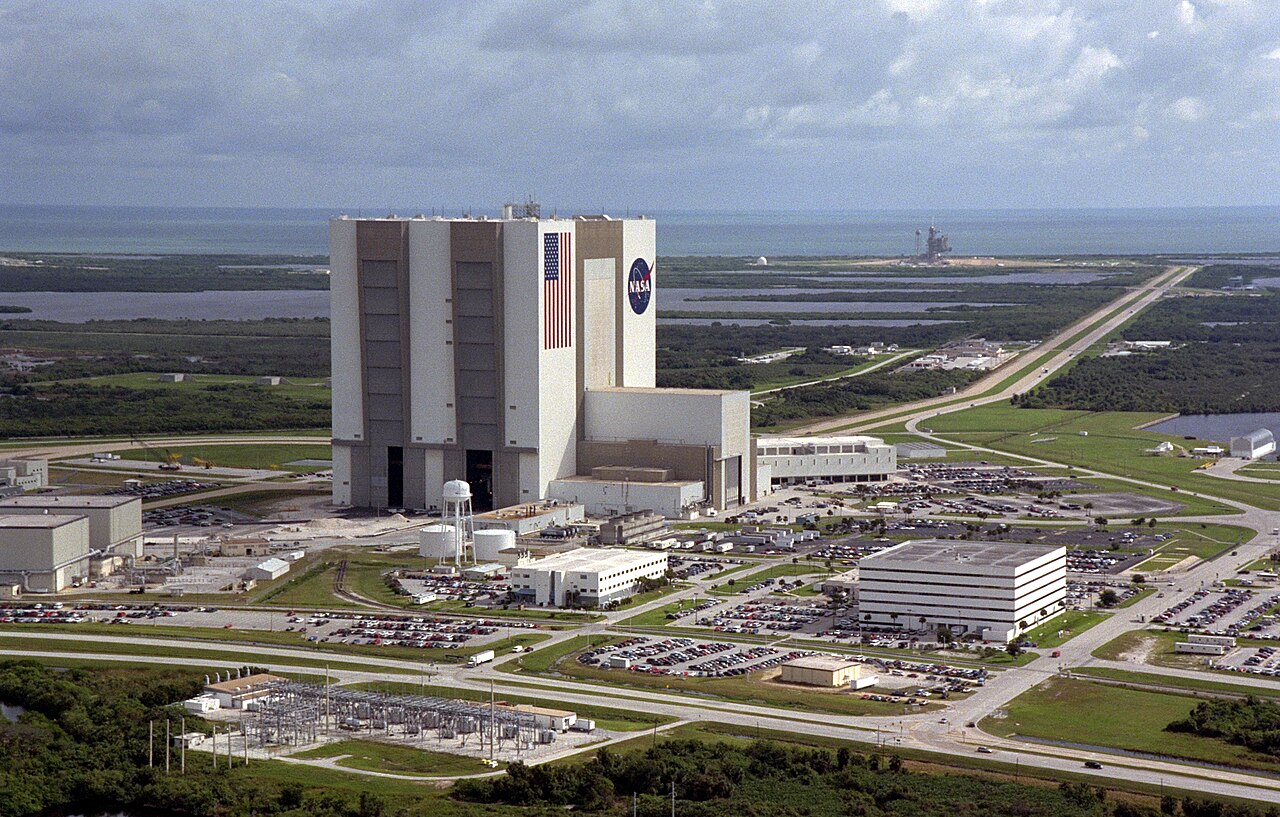
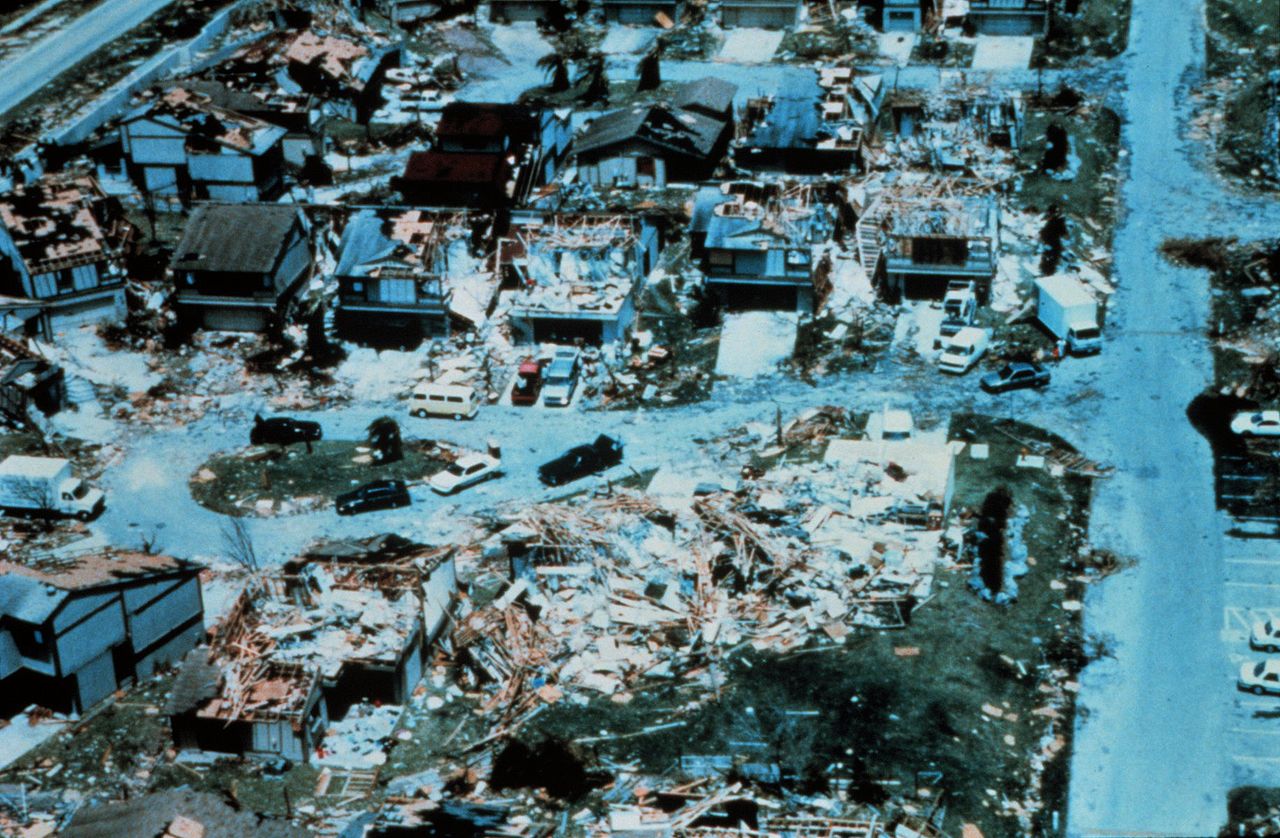
From the late 19th century onward Florida transformed rapidly: railroads opened interior lands, tourism and winter visitors became central to the economy, and agricultural industries—most notably citrus—expanded. In the 20th century coastal development, repeated hurricane impacts, New Deal programs, and the space age centered at Cape Canaveral reshaped the state’s economy and national role. Postwar population growth diversified communities, while environmental concerns—especially preservation of the Everglades and coastal habitats—became prominent public issues.
Legacy and Distinctive Features
- Long human history: archaeological continuity from Paleoindian times to present Indigenous communities.
- Colonial crossroads: extended Spanish presence, British interlude, and final transfer to the United States created layered cultural influences.
- Environmental diversity: unique wetlands, subtropical coastlines and biodiversity that inform conservation and land-use debates.
- Economic evolution: agriculture, tourism, real estate booms, and aerospace have each driven different chapters of development.
For readers seeking primary sources, regional timelines and archaeological summaries, consult specialized collections and archives that compile exploration accounts, colonial records and Indigenous histories; these provide deeper context to the broad outline presented here.
Related articles
Author
AlegsaOnline.com History of Florida: Indigenous Peoples, Colonial Struggles, and Modern Growth Leandro Alegsa
URL: https://en.alegsaonline.com/art/44466
Sources
- articles.sun-sentinel.com : "Ancient DNA could unlock South Florida secrets"
- dos.myflorida.com : "European Exploration and Colonization"
- americaslibrary.gov : "A Spanish Expedition Established St. Augustine in Florida September 8, 1565"
- staugustinegovernment.com : "The Nation's Oldest City"
- commons.wikimedia.org : History of Florida